

Muzings is the annual magazine published by museum volunteers at the Department of Museums Malaysia. In its fourth year, the magazine is a treasure trove of information on Malaysian material culture, anthropology and history. The museum, also a publisher, was one of the exhibitors at Kuala Lumpur International Book Fair 2024. Afidah Rahim, President, Museum Volunteers, explains the ideas, proposition and editorial process behind the publication.

Congratulations on the publication of Issue 4 of Muzings. It’s a magazine published by museum volunteers. Could you briefly explain the history behind the publication? Who’s the target audience? Where is it circulated? Are we able to borrow them from the library?
Thank you. Our annual publication, Muzings, was proposed by my predecessor, Karen Loh, who worked with museum volunteers (MVs) Maganjeet Kaur and Rose Gan, along with the Department of Museums Malaysia (JMM) to produce the inaugural issue in 2020. An MV Research Team comprising volunteers interested in contributing articles to Muzings and other MV projects was formed. The Research and Documentation Division of JMM provided guidance on the publication whilst a professor from Universiti Malaya acted as the external editor.

Due to time constraints, the first issue of Muzings is a compilation of articles from our museum volunteers’ blog. Articles for subsequent issues were freshly written and based on themes suggested and decided by the Research Team.
Our target audience is mainly individuals interested in Malaysian history, heritage and culture. Muzings is circulated amongst museum volunteers and their contacts, as well as museum staff. However, we also ensure that the public has access to our publication. It is available in print for reference only at JMM libraries, ensuring its preservation and accessibility for future generations. Additionally, the public may access all issues of Muzings on the museum volunteers’ website via this link: museumvolunteersjmm.com/muzings.
How do the volunteers decide on the editorial content of a particular issue? Are articles newly commissioned for an issue? Or do you expand on articles published on the Museum Volunteers JMM blog?
The Research Team proposed a theme for each issue except the first one. Issue 2 was themed ‘The Seas’, and museum volunteers and JMM staff were invited to research and write fresh articles specifically for Muzings based on this theme. I contributed two articles to the second issue of Muzings. The editors accepted both articles, even though my topics were not directly related to the theme. By the third issue, the articles were more thematic. Some articles were expanded from our MV Research Team talk series, which had kept us going via Zoom through the pandemic lockdown years. These articles were written based on presentations given by experts during the talk series and were published in Issue 3 of Muzings. I took on the role of MV president at the start of 2022 and coordinated the Research Team from then on. We try to encourage a broad spectrum of articles within the theme for each issue.
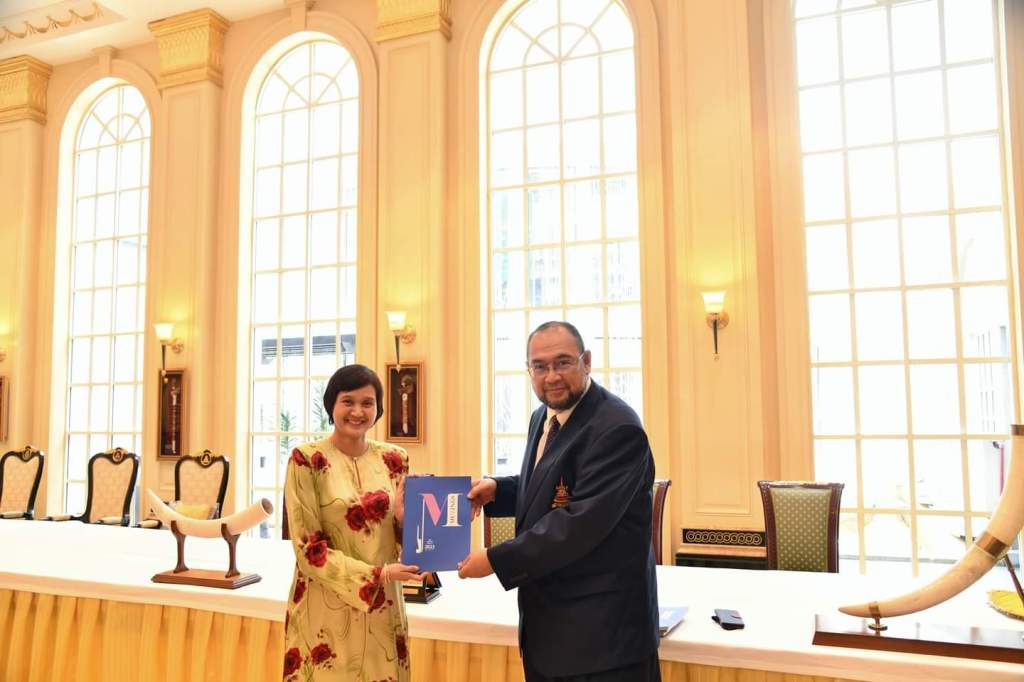
“Some articles were expanded from our MV Research Team talk series, which had kept us going via Zoom through the pandemic lockdown years.”
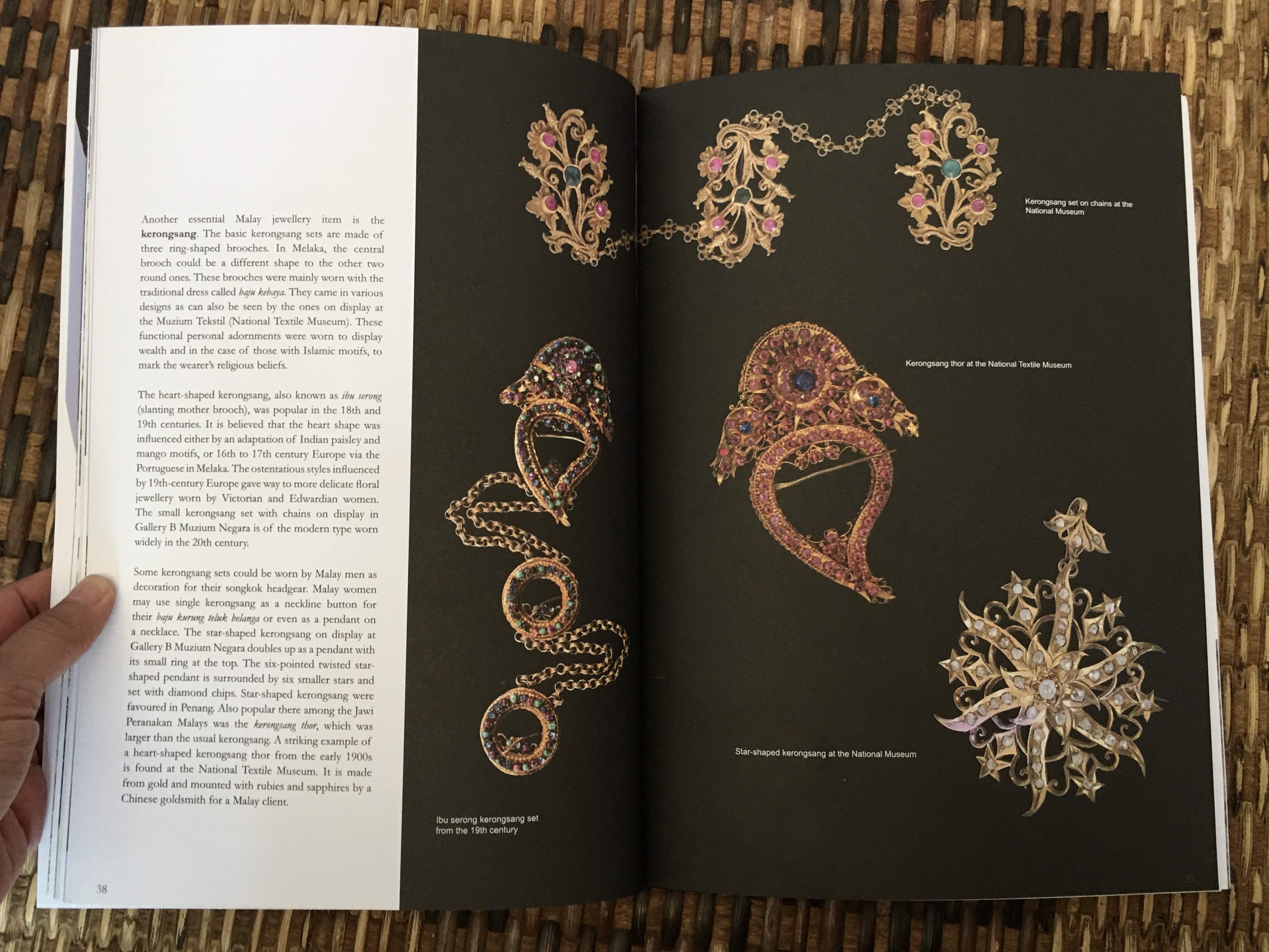
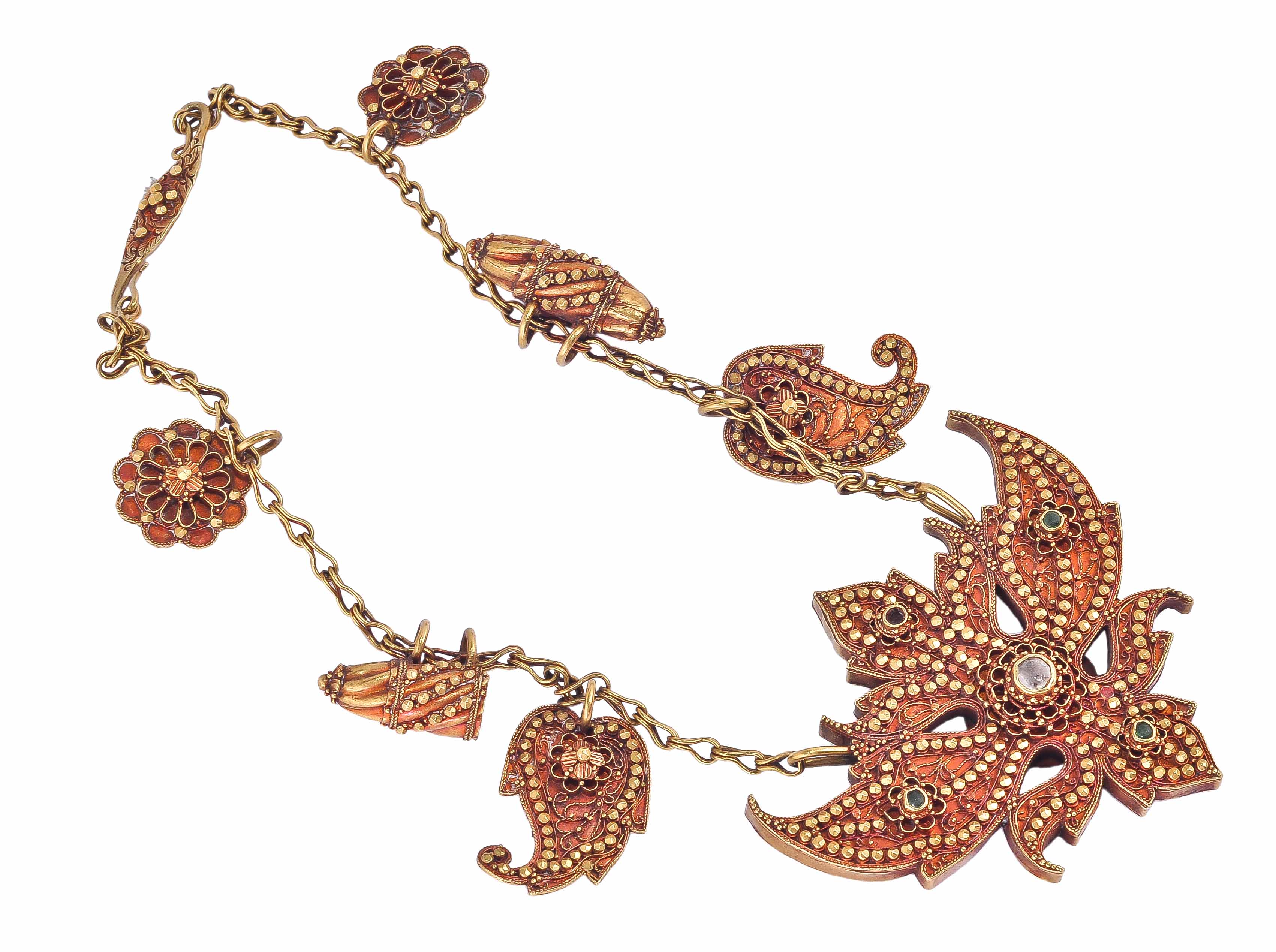
Two articles in this issue caught our attention: one by Karen Loh on the trees at Fort Canning Park, Singapore, and one by you on the Malay jewellery which highlights botanical motifs. Nature and material culture are closely intertwined in the region’s material culture. Is it a conscious decision on Muzings’ part to highlight nature? Can Muzings be the soft power championing awareness on climate change? Or is impartiality a key factor in determining the editorial output?
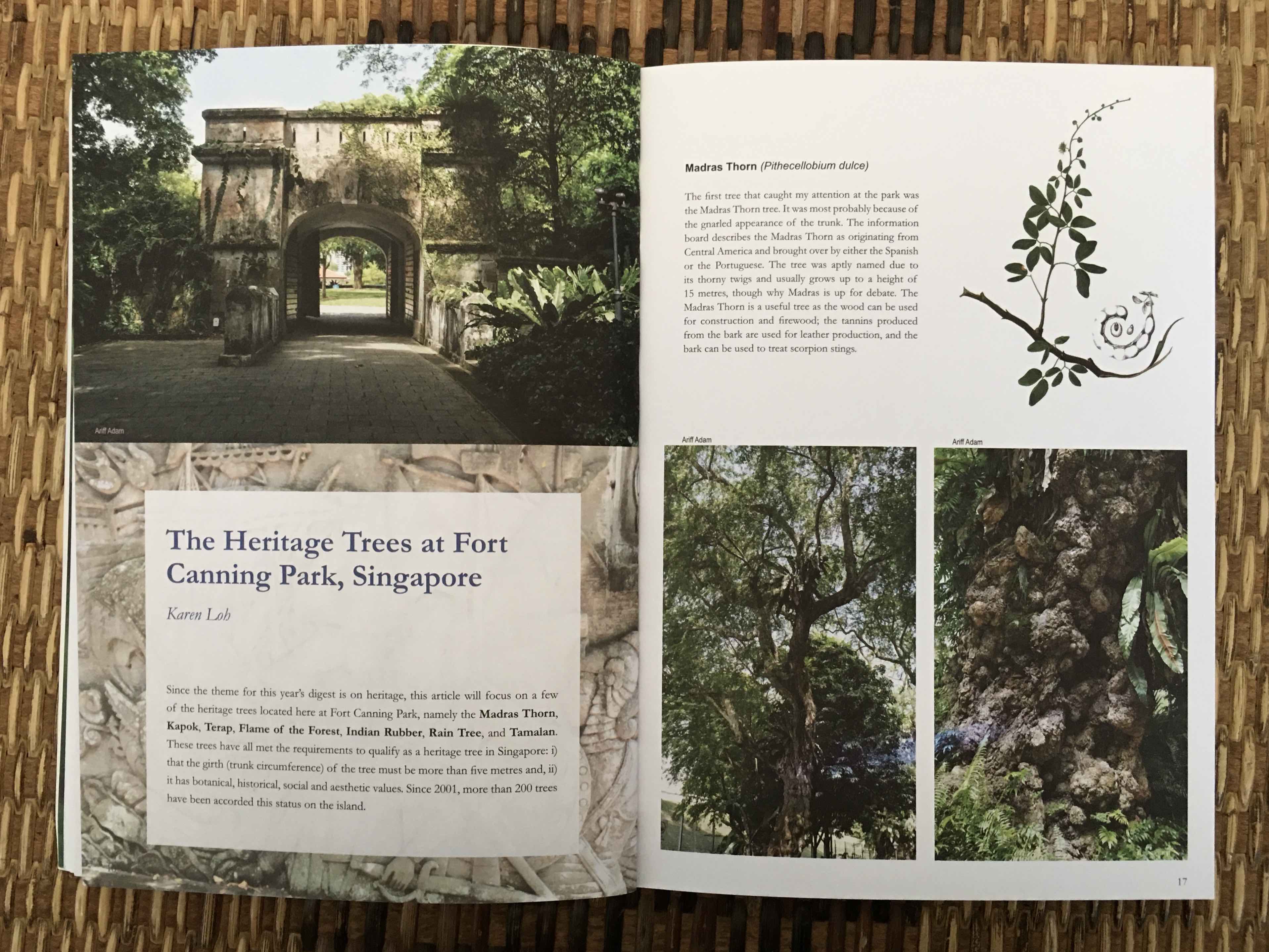

The Tropical Rainforest theme for Issue 3 was suggested by Cik Darniza, JMM Director of Research and Documentation Division. The two articles mentioned above are from Issue 4, which has the theme ‘Heritage’. There is no doubt that nature is intertwined with our heritage. It is certainly hoped that readers of Muzings feel our cultural connection to nature and are moved to champion the green cause. Here, I wish to acknowledge the conscious effort by Datuk Kamarul Baharin, Director General of JMM, in supporting museum volunteer activities, including the publication of Muzings and its desired impact on readers.
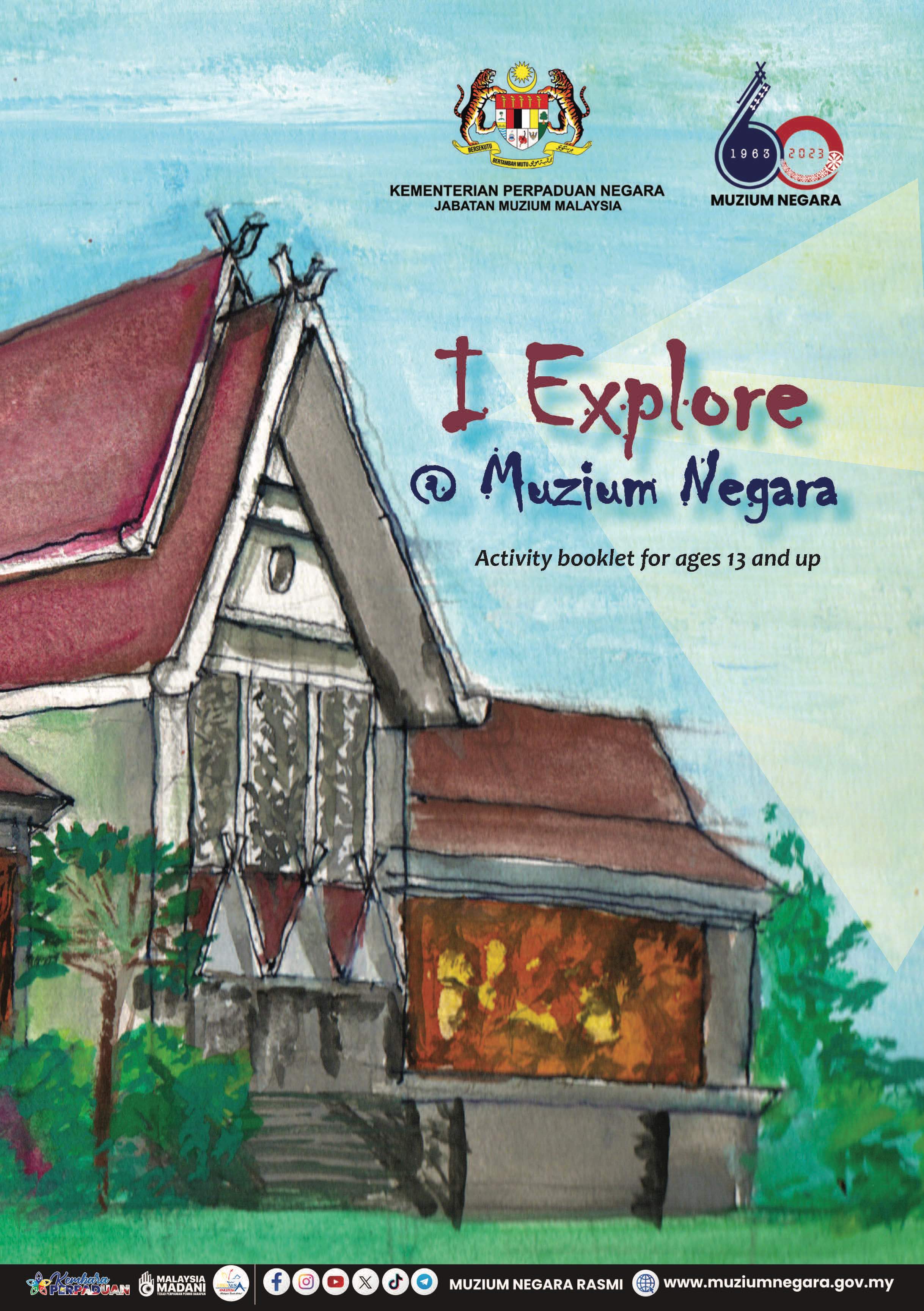
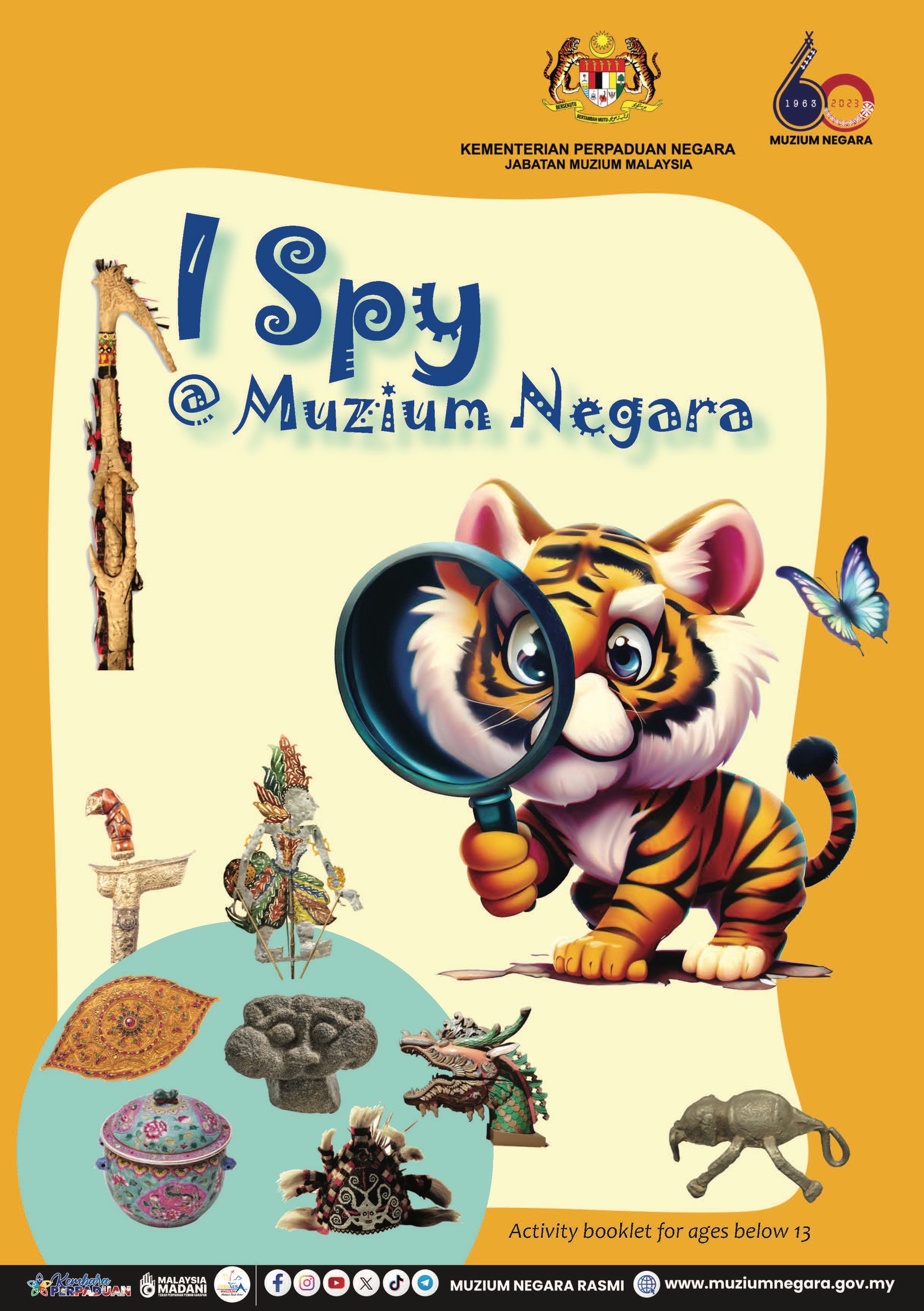
Tell us more about the Unity Project Activity Booklets for children. They’re published by the Museum Volunteers. How did you vet the contents for the quizzes and games? Are they also circulated beyond the museums at schools, or are they specifically for family visits?
The Unity Project Activity Booklets were born of a challenge by Datuk Kamarul to museum volunteers to find a way of making young visitors feel connected to the museum. Upon discussion with my team, I proposed the activity booklets to celebrate Malaysian diversity and to mark the 60th anniversary of the National Museum. The Unity Project team was conscious of these objectives when drafting the booklets. We tested the quizzes and games on a sample of young visitors who came on our guided tours, as well as on family members and neighbours. Feedback was used to adjust the content and design of the booklets. The JMM staff contributed by reviewing our write-ups, especially our translation of the booklets to Bahasa Malaysia. The booklets were published in time for distribution to museum visitors over the 60th-anniversary celebration dates. They have recently been reprinted for distribution to visiting school groups and families. The public may view and print the booklets via the museum volunteers’ website link museumvolunteersjmm.com/museum-volunteers-publications.
We find that in Europe as well as in Asia, people are largely fascinated by all things antiquarian. The obvious examples would be castle ruins, relics or precious objects. Old burials are also another fascination. Some go into what we call ‘citizen archaeology’, investigating artefacts closely aligned with their interests and history. Some weave stories around these objects, creating myths to fill the gaps in their historical or scientific knowledge. What motivates you and the volunteers to spend time with objects placed at the museums? Do you hold the same level of fascination?
All our museum volunteers are passionate about history and museum objects. This is a requirement to see through the training programme and qualify as a museum volunteer. In fact, I believe our fascination deepens as we discover more through research, focus talks and visits. As museum volunteers, we are motivated by our innate curiosity, genuine interest and the synergy of our like-minded community. The opportunity to share our knowledge of museum objects with visitors and fellow volunteers drives us to learn continuously. Experts are usually very obliging to museum volunteer requests. For me personally, if a particular artefact speaks to me, I would research and write about it either for Muzings or for the museum volunteers’ blog. Others may be inspired to spend more time explaining the object to museum visitors on their guided tours. Each volunteer would have their own interest areas and favourite museum objects. Rest assured that all our volunteers can take visitors through the museum highlights and main storyline.
“Experts are usually very obliging to museum volunteer requests. For me personally, if a particular artefact speaks to me, I would research and write about it either for Muzings or for the museum volunteers’ blog.”
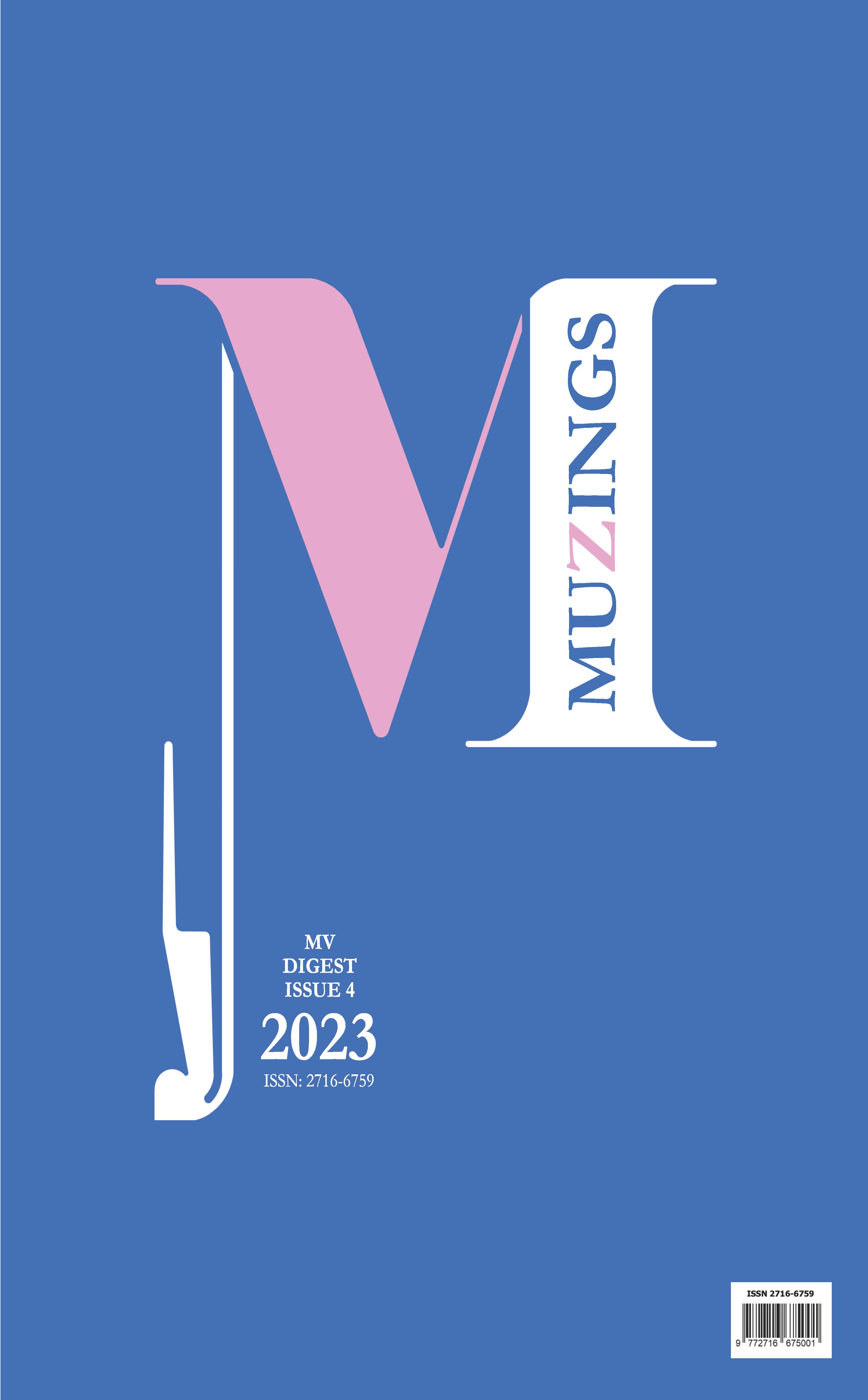
If budget is of no constraint, and if the Museum Volunteers get the full backing of the museums, how would the editorial team approach Muzings? What would the treatment be to the print copy? Would you commission illustrators and photographers for the articles? Will there be a UX crossover with other types of medium?
Issue 5 of Muzings is almost complete, and there are no plans for further issues. For the print copy of Muzings, we have, so far, mainly used the voluntary services of illustrators and photographers from within the team. Our UX element for Muzings has included QR codes to link with YouTube videos, which are available to view free of charge. The PDF version of Muzings on our blog is sufficient to meet the needs of our readers.
What book did you last read?
Russell Shorto’s Amsterdam: A History of the World’s Most Liberal City. I recently visited Amsterdam and was moved to delve deeper into its past connection with Southeast Asia.
Which format do you prefer: print, PDF or e-book?
Print. I like the look and feel of physical books.
More on the Museum Volunteers and Muzium Negara
- Main website
- A self-guided tour of Muzium Negara
- Museum Volunteers JMM blog
- The Unity Project Activity Booklets
More interviews on Story Of Books
More on Kuala Lumpur International Book Fair 2024


 Story Of Books
One response to “Five Minutes With: Afidah Rahim, President, Museum Volunteers, Department of Museums Malaysia”
[…] Five Minutes With: Afidah Rahim, President, Museum Volunteers, Department of Museums Malaysia (Story… […]