
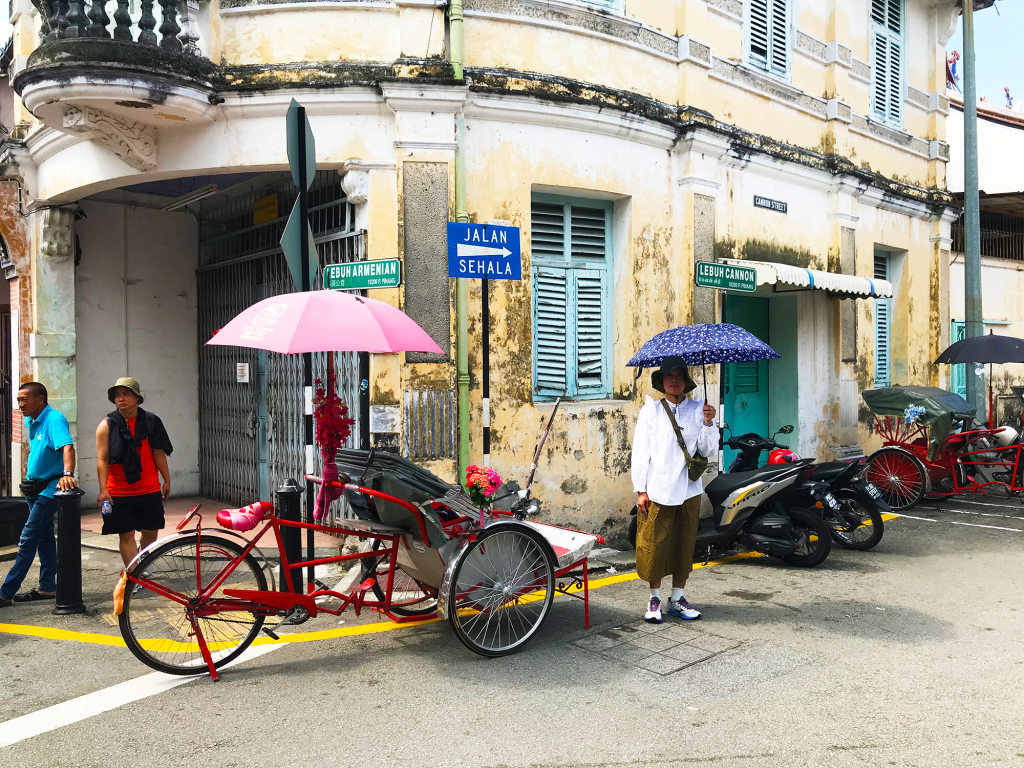
“Here and now” is the theme for George Town Festival 2024, which runs between 19 and 28 July 2024 in Penang, Malaysia. We spent three days at the festival with our anthropology hat on, looking for commonality in the artworks. The visual arts we sought provide inspiration for book-making.
The inspiration came from Singapore, India, Indonesia and Malaysia respectively. We discovered Sasank Gopinathan, the Indian designer whose miniature sculptures celebrate the commonality we share across Asian cultures. We learned about Seni Kanji, the father-and-son duo who combine Bahasa Indonesia and Mandarin in their art. We chilled out at rehat, the art show by Singaporean Mahyuddin Chan that invites the public to rest and contemplate on life. We indulged in a simulated world of plants by a collective of Malaysian artists based in Penang. At the end of our stay, we toured the streets of old town to admire the shopfront typography.
If there were controversies in the media about representation or the lack of it, we were isolated from them. We were in Penang for art. Art commands respect, and to fully understand it, one must experience it personally, directly. The artists put themselves out there to meet with the public halfway. So this is our story of the George Town Festival 2024.

Strength comes in recovery
- rehat
- Artist: Mahyuddin Chan (Singapore)
- Venue: Biscotti Café
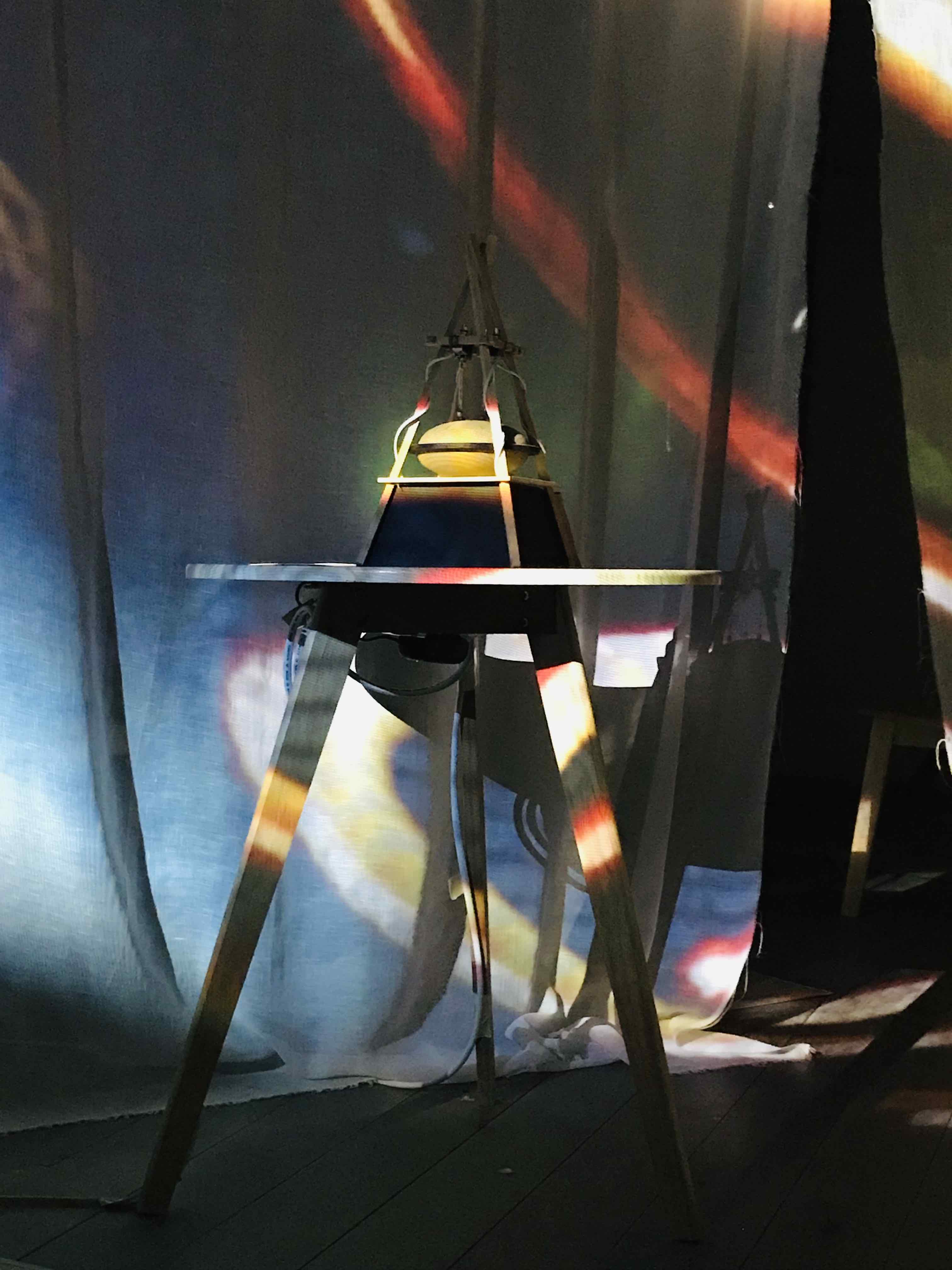
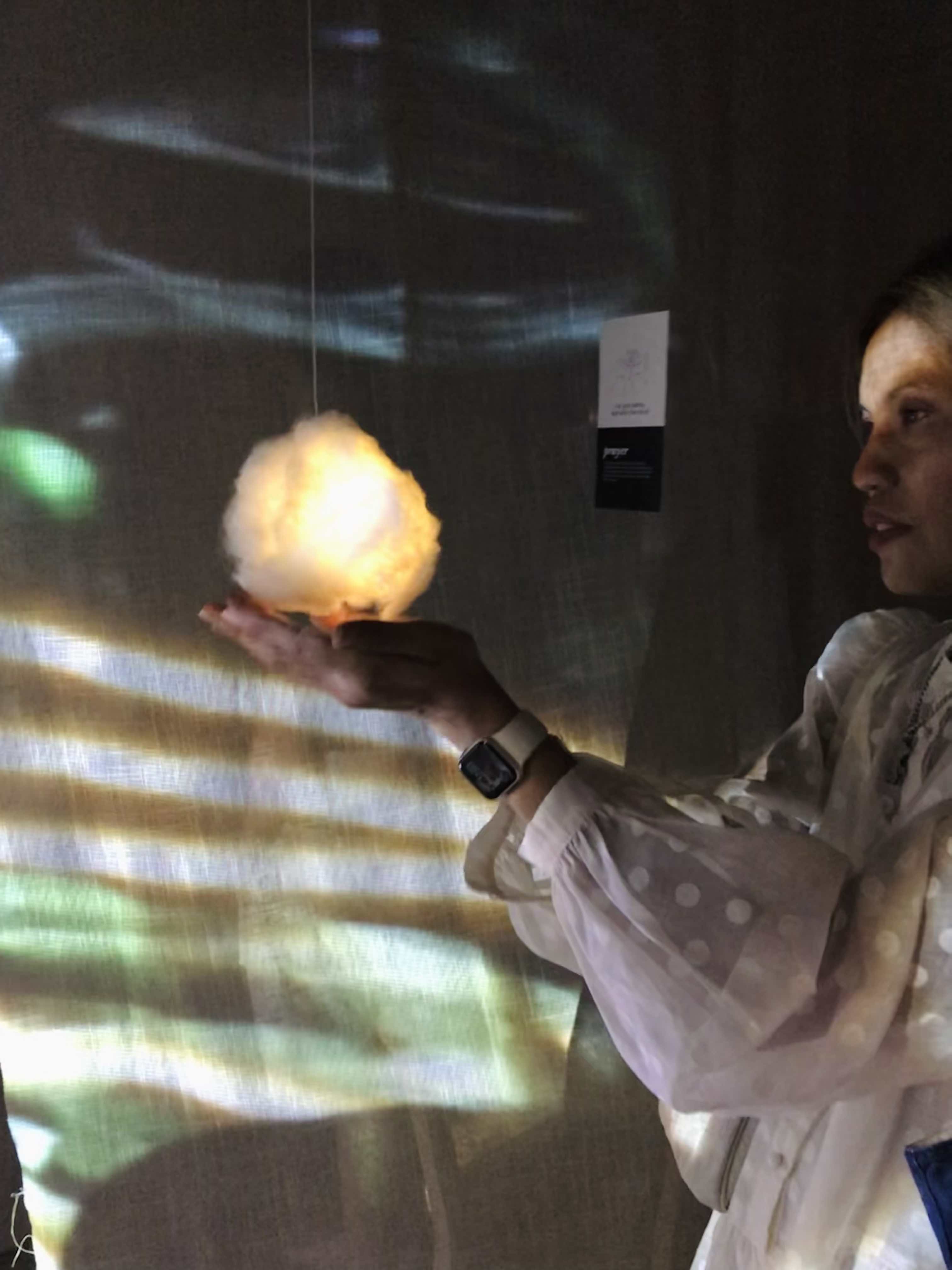
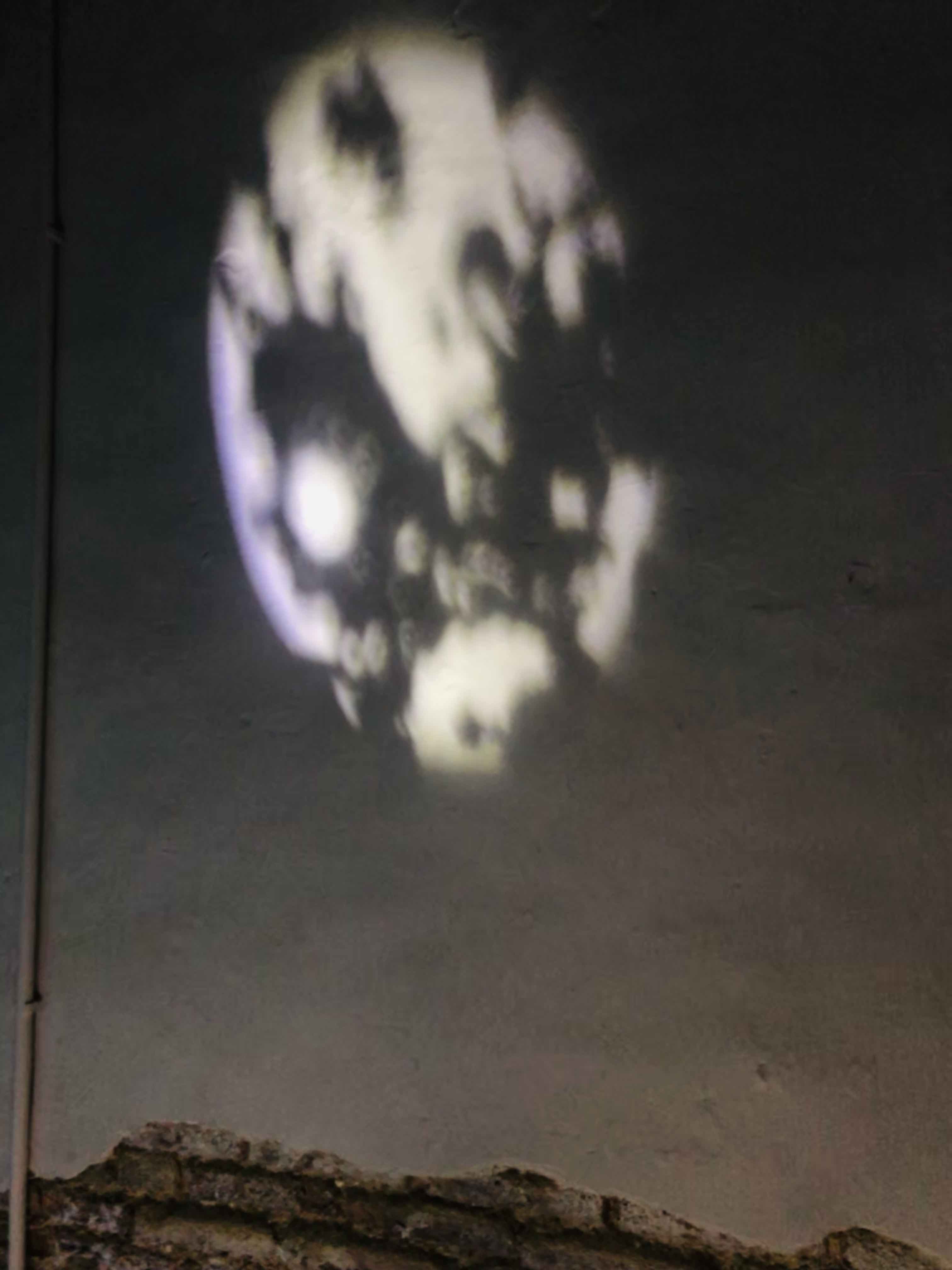
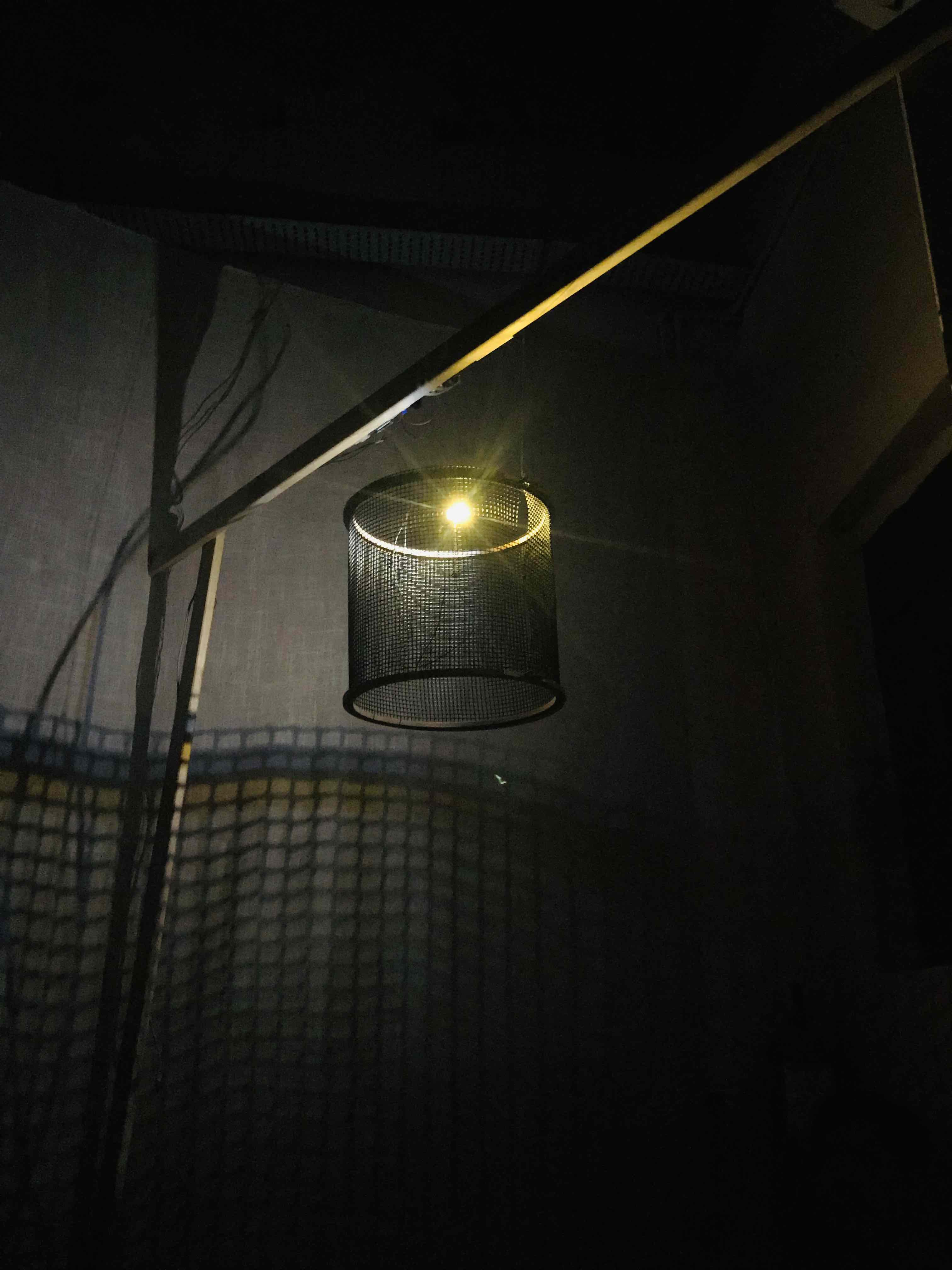
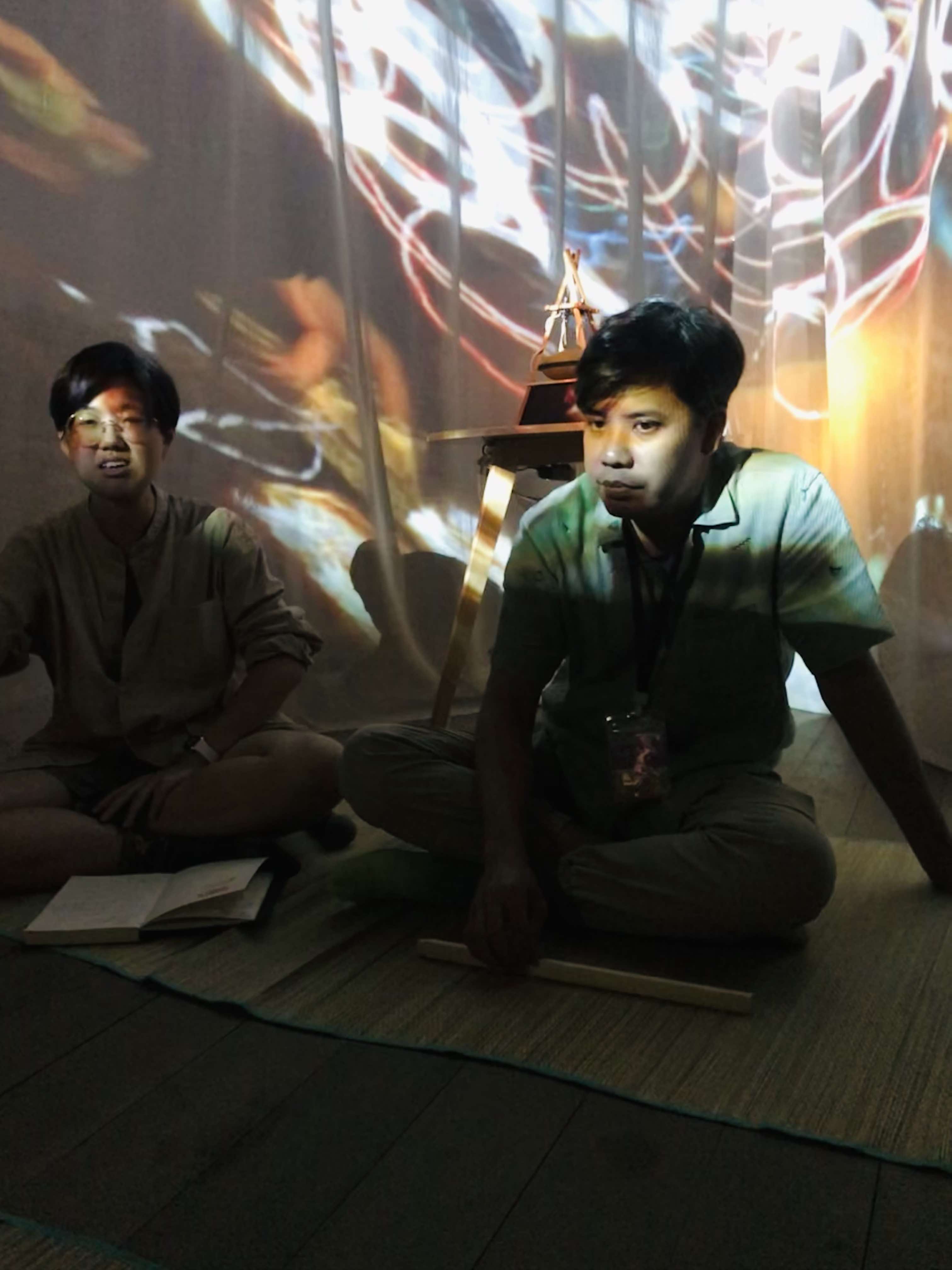
The show by Singaporean artist Mahyuddin Chan, rehat or “rest” in Malay, was an antidote to the heatwave and hustle-and-bustle of old town Penang. The talk took place on 21 July 2024 on the first floor of Biscotti Café. Guests were invited to sit down on straw mats in a darkened room. Four interactive art installations – Hati (“heart”), Bulan (“moon”), Prayer and Matahari (“sun”) – were divided by semi-transparent white curtains.
On the curtains were the main showcase, Light Painting. Chan painted with a special light. The painting could also be done using a mobile phone light. Every five minutes, the system was reset and the curtains – or canvases – were re-painted with light. The art was temporary, and in its temporality lies the aesthetic value of this artwork. It’s similar to enjoying the sunset: the moment is fleeting but the memory is precious.
Chan studied Fine Arts as an undergraduate and Art Therapy as a postgraduate. He’s also a therapist. He was careful to remind the audience that there’s a distinction between art therapy and therapeutic art. We assume the former is an adjunct to medical intervention and the latter is catharsis.
rehat doesn’t overstimulate. It invites you to contemplate.
rehat doesn’t overstimulate. It invites you to contemplate. rehat is a remarkable interactive showcase. Hati features an installation that makes a rhythmic sound. Bulan makes use of a glass table, sand and a mirror. Prayer consists of a light that looks like a cloud; it lights up when cupped with one’s hands – in the manner of a prayer. Matahari is a play on shadow and light; the shadow of the lampshade moves as the light travels up and down. Chan got the inspiration during the pandemic lockdown. Stuck in a flat, he observed the movement of sunlight and the corresponding shadows.
It’d be great to see how rehat translates into real-life application. Rest is needed by an increasingly turbulent world, especially in the West. Din said something about the art needing space – and that itself is an answer: space. Rest needs space, the absence of noise and a clearly defined boundary, both social and physical.
More on Mahyuddin Chan
God is in the details
- Same Same But Different
- Artist: Sasank Gopinathan (India)
- Venue: THE FOUNDERS Hutton
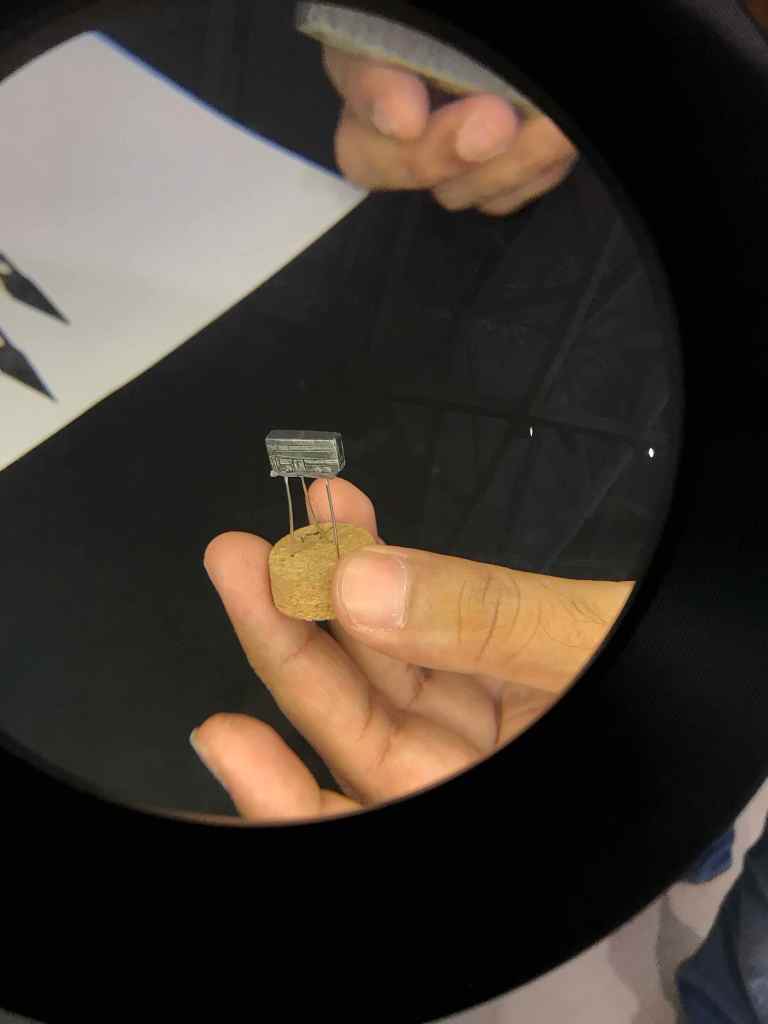


We arrived at Sasank Gopinathan’s event about 30 minutes before he wrapped up. It was 21 July 2024. We got lost, the talk was over but Gopinathan kindly offered to talk to us through his display of miniature sculptures. More visitors joined us to hear him explain his sculptures, carved by graphite or pencil lead.
Several levels of graphite under H and B types were used, depending on the shape and complexity of the sculpture. Gopinathan uses a carving knife and good lighting to accomplish his art. He doesn’t wear glasses. He tried carving under a magnifying glass but it wasn’t as easy. He told us that a sculpture can take about two to five days to complete.
The miniatures were of cultural – and iconic – objects found in Kerala, India, where he’s from, and in Southeast and Northeast Asia: scooters, mopeds, boathouses, temples, traditional houses, cakes and so on. To examine these miniatures, you have to use magnifying glasses. Posters that display Keralan and Southeast Asian miniatures side-by-side demonstrate the commonality the two regions have. The most obvious were the foods: teh tarek (pulled tea) and kuih loyang. Those that would intrigue the material culture experts were the architecture: the roofs of the Kerala traditional house are similar to that of the northern Malay house. The Keralan temple looks similar to a keraton – a royal court – in Java.
To see and appreciate the commonality in us all, we have to take time to look closer at the details – that metaphorical magnifying glass.
Gopinathan is a product designer and a photographer. He also does iconography. Icons are featured on the t-shirts he designed. His background affords him the ability to analyse and compare techniques in the making of design objects across cultures. We had a good conversation with him about the commonality that our cultures share: our languages are Sanskrit-based and our region – ‘the Indo islands’ – are in what anthropologists call the Indic-sphere. And that brought us to another topic that intrigues those in visual culture: the TikTok beauty trend called ‘Asoka challenge’ where women cosplay in 30-second music reels to morph from plain Janes to beautiful Indian brides. It initially became viral in Southeast Asia as a challenge between Malaysian and Indonesian influencers. Then it became huge in Thailand, the Philippines and, of all places, Vietnam. We told him Vietnam perplexed us – until we remembered that the south of Vietnam was part of Champa. Of course the Vietnamese get the Asoka challenge.
Gopinathan’s installations say something about our cultures. To see and appreciate the commonality in us all, we have to take time to look closer at the details – that metaphorical magnifying glass. Gopinathan’s superpower is in seeing. “God is in the details,” says architect Ludwig Mies van der Rohe. Often, the truth reveals itself to us only upon closer inspection.
More on Sasank Gopinathan
The medium is the message
- “Jalan Balik”: A Journey to Identity of Paulus Supomo’s Seni Kanji
- Artist: Seni Kanji (Indonesia)
- Curators: Muhammad Irfan (Indonesia) and Lee Cheah Ni (Malaysia)
- Venue: Soundmaker Studio

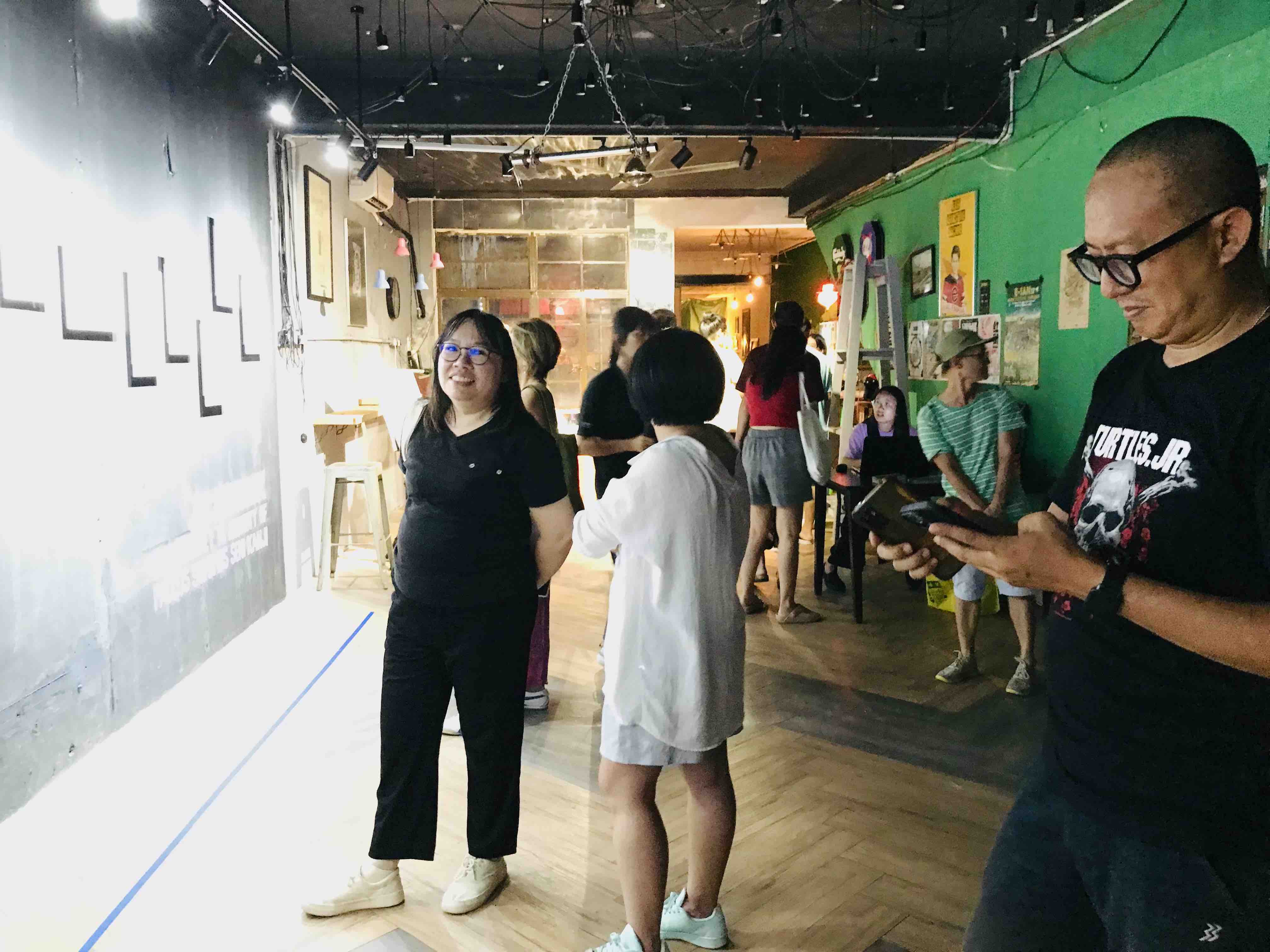

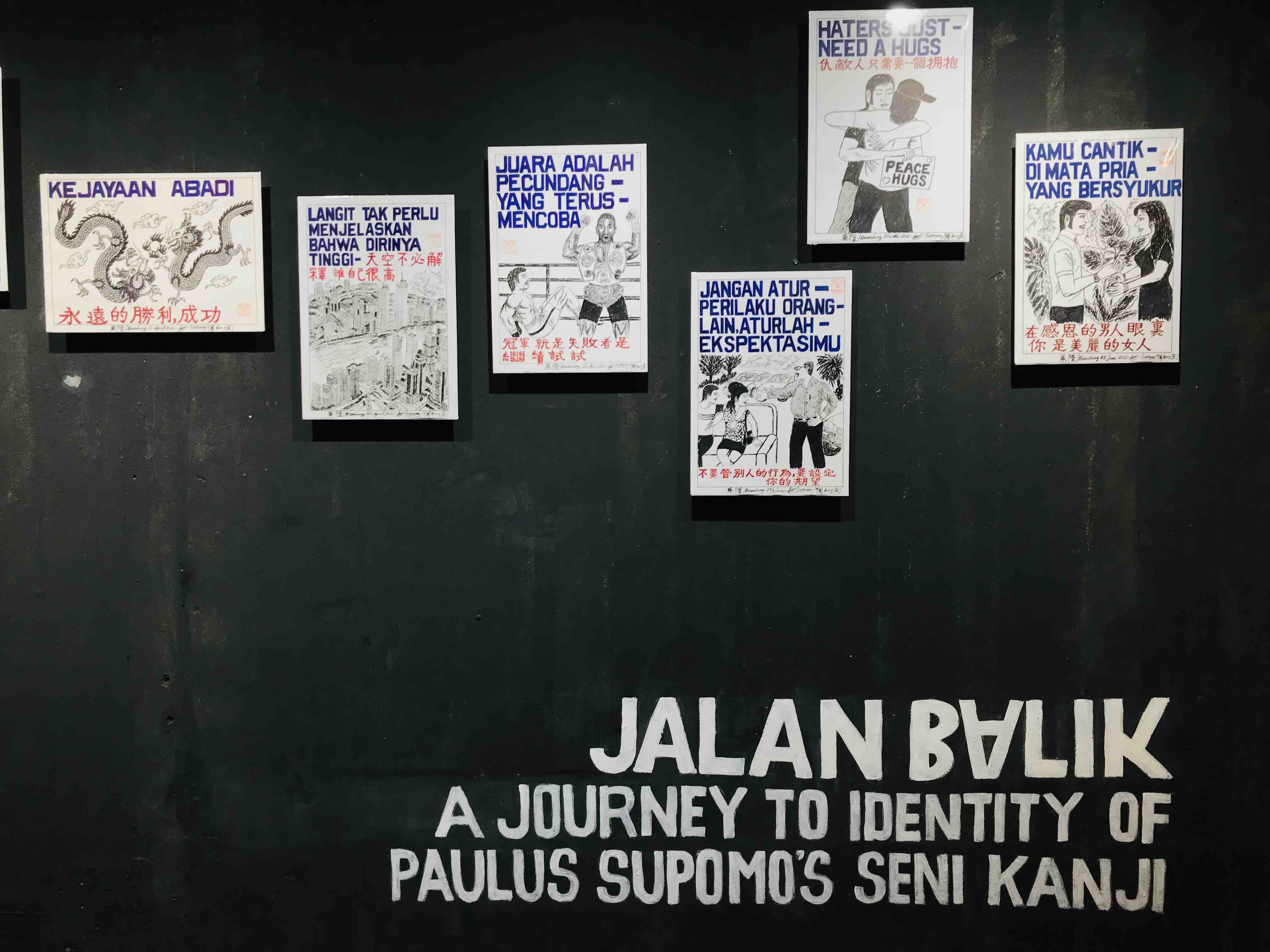
The story of Paulus Supomo is that of a genius who was undiscovered for ages, until he burst into the art scene and then left, like a shooting star, before the world had time to know him better. At the opening talk at the Soundmaker Studio on 20 July 2024, his son Yulius Iskandar told the audience that his father was an artist for four years, starting at the age of 62. He was famous for one-a-half-year. He passed away at 66 in 2021.
Jalan Balik loosely means “the road home”. Twenty-five posters created by Paulus and Yulius were displayed against the dark wall of the studio. It was also a typography show, one of ‘appropriation’ where naïve art was achieved by using a pen to create figure drawing and slogans. Copies were written in Bahasa Indonesia and Mandarin. The kanji, or writing system, was realised using a pen, not calligraphy brush. That made Seni Kanji uniquely Southeast Asian. The appropriation of a medium – a pen – not intended for that kind of art resulted in something innovative.
That innovativeness came from somewhere. Paulus, the father, grew up in the tumultuous time of the 1960s. For Malaysians, that’s the time during the Konfrontasi, which took place between 1963 and 1966. A failed military coup on 1 October 1965 in Indonesia led to violent reprisals that resulted in the Indonesianisation of ethnic identity. Many, including innocent citizens, perished in the ‘purges’. The ethnic Chinese were forced to Indonesianise their identity from their names to their mother tongue. Paulus Supomo spent his early childhood in this period.
The kanji, or writing system, was realised using a pen, not calligraphy brush. That made Seni Kanji uniquely Southeast Asian. The appropriation of a medium – a pen – not intended for that kind of art resulted in something innovative.
Yulius’s childhood was also out of the ordinary. He is a minority’s minority. He is Chinese but poor (“we didn’t even have a motorbike”). He doesn’t speak Chinese. He blends well with the Sundanese and yet, was picked on for being Chinese. The young Yulius tanned himself so he could blend well with the local children. The situation got better as he grew older as the community got to know him better. Yulius speaks fluent Sundanese. His third culture background prepared him with the fluidity needed to weave in and out of identities. It also gives him several perspectives, and thus giving his art the bilingual edge. Seni Kanji’s wit resonates with everyone.
As a father and a factory worker, drawing was Paulus’s solitary hobby. Yulius informed the audience that his father’s time was largely divided around working, eating, reading the newspaper and drawing. Then, at the age of 62, Yulius asked him to quit his factory job to draw for him. Through his art, Paulus earned more than he would in a month as a factory worker.
The art isn’t just about the illustrator, but also about the copywriter, Yulius. Seni Kanji is a father-and-son collaboration. There were creative tensions between father and son but they always met halfway. Ground-breaking art emerged from their collaboration. Yulius made Paulus’s artworks viral on social media. It caught the attention of the Indonesian public, and later, the Chinese diaspora across Asia.
Paulus Sutomo left us in 2021, leaving behind a legacy that keeps us wondering: is there more to this genius? Looking at his works, and listening to his life story, we conclude that Paulus was nothing short of a genius whose big moment came eventually.
More on Seni Kanji
The wonderful world of botany
- More Men (and a Woman) with Plants
- Artists: Fuan Wong, Tan Wei Ming with Zack Low, Howard Tan, Esther Geh, MK Cheah, Jonathon Yun, Hoo Fanchon (Malaysia)
- Venue: China House
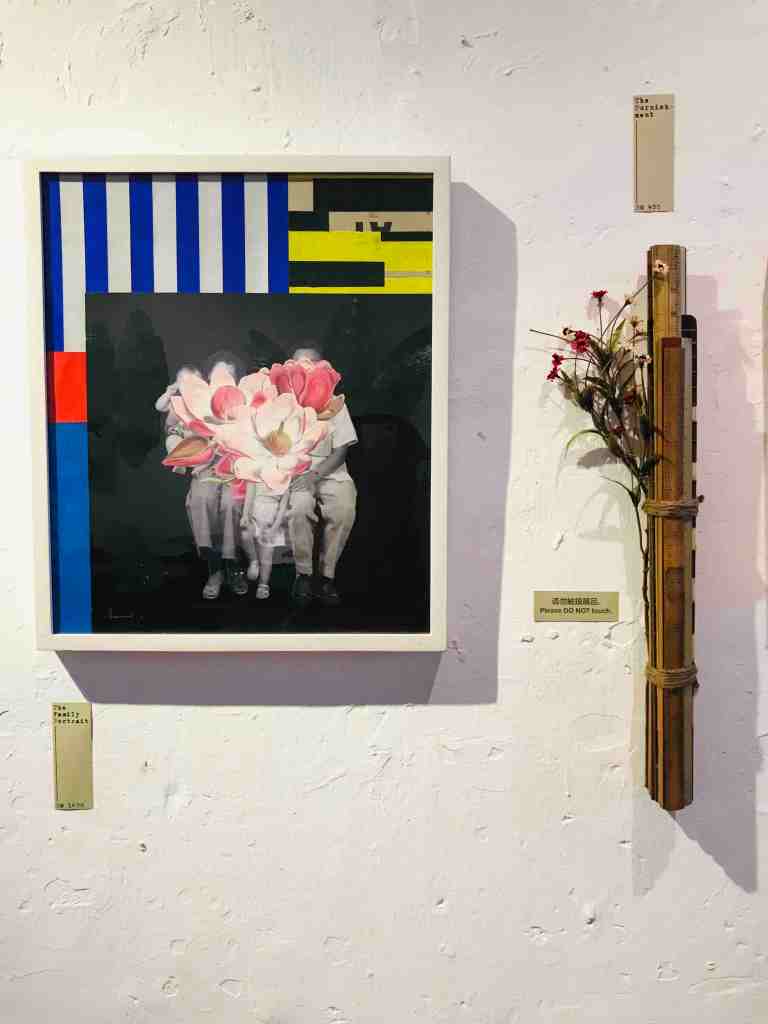
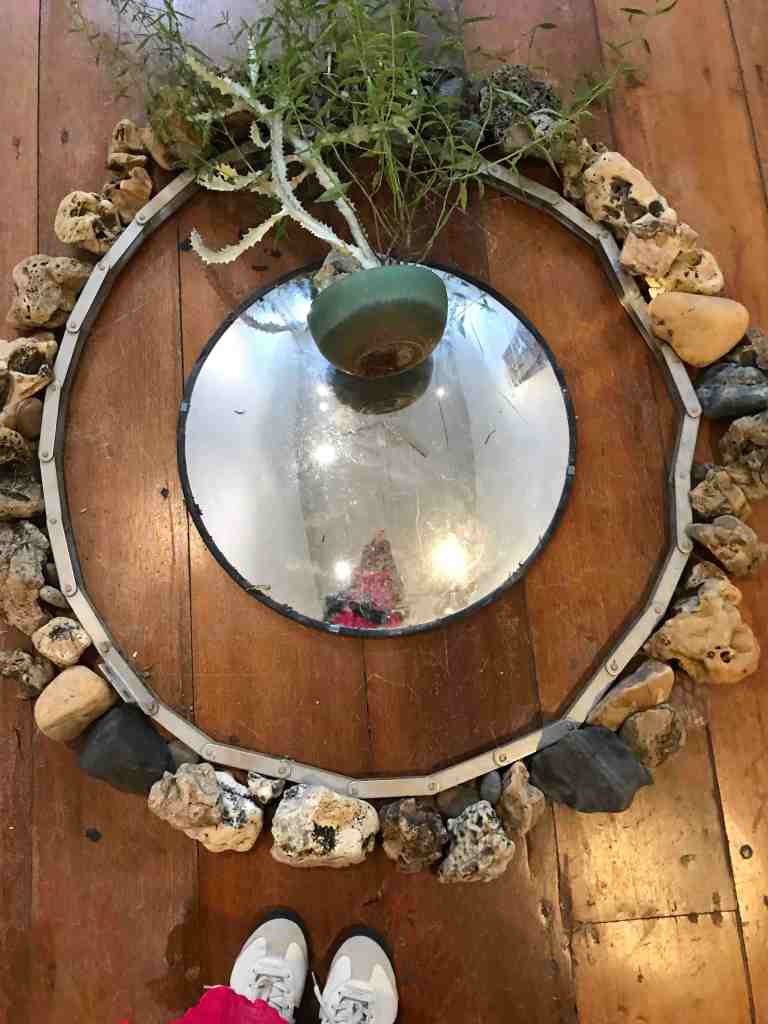
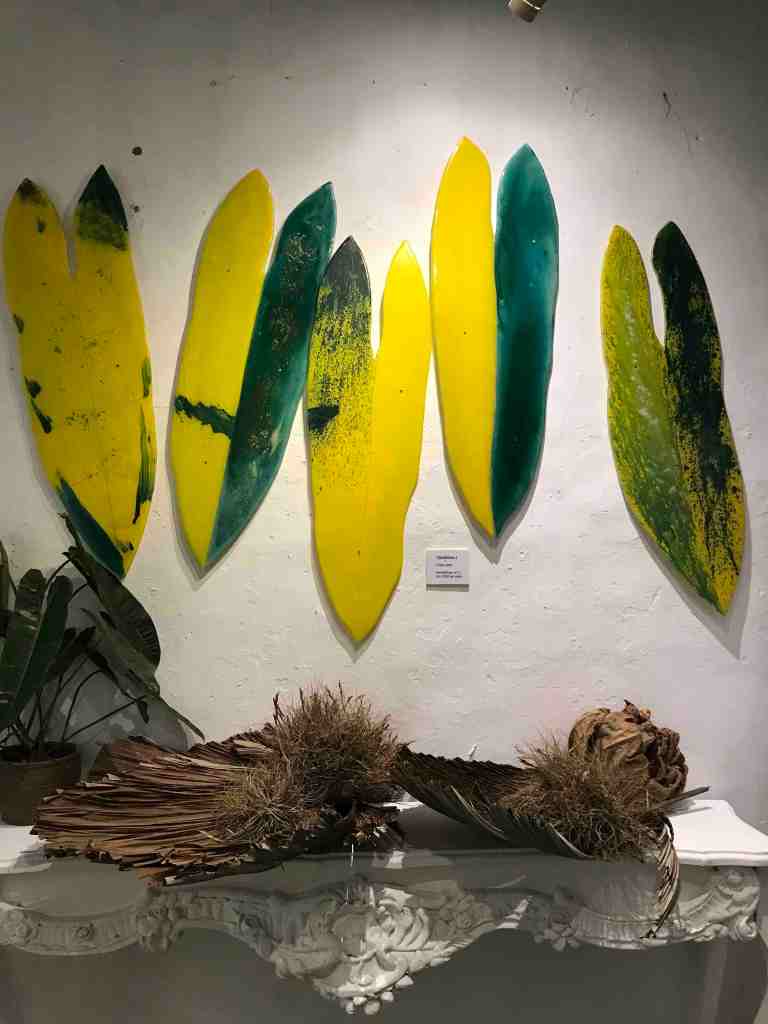
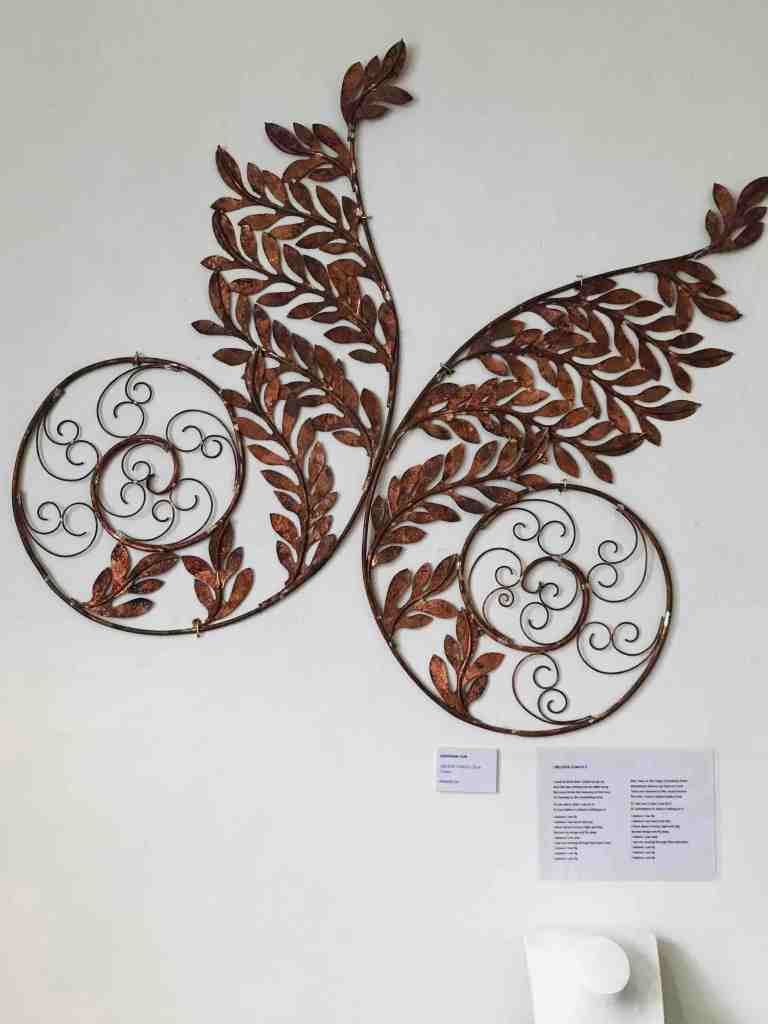

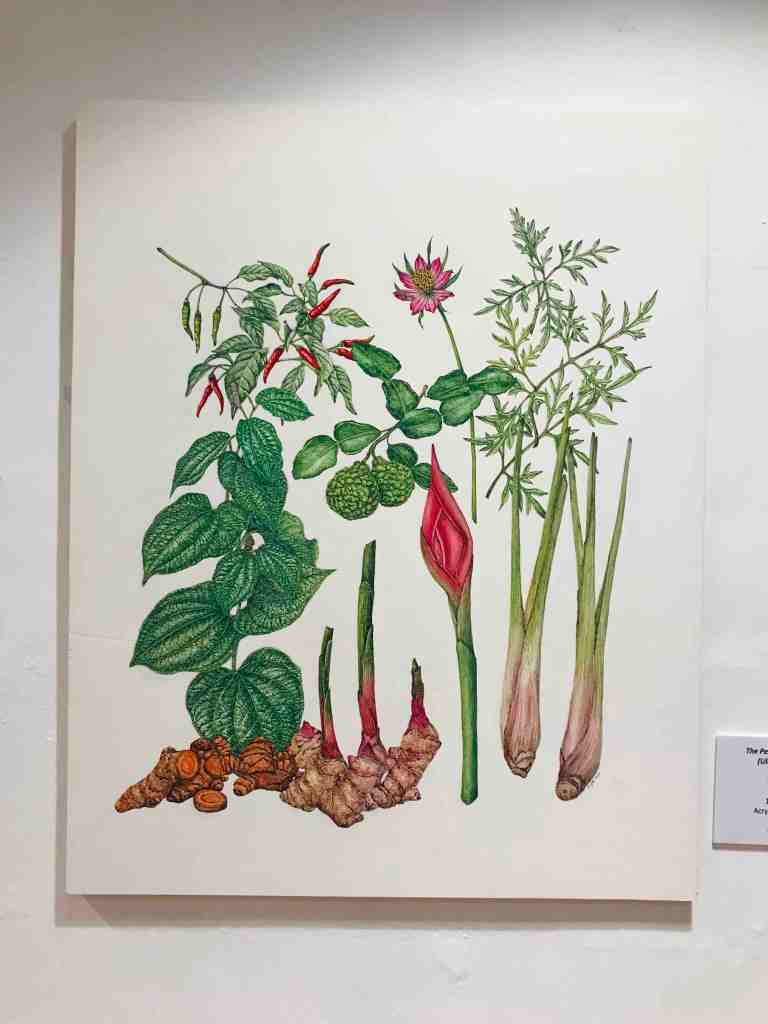
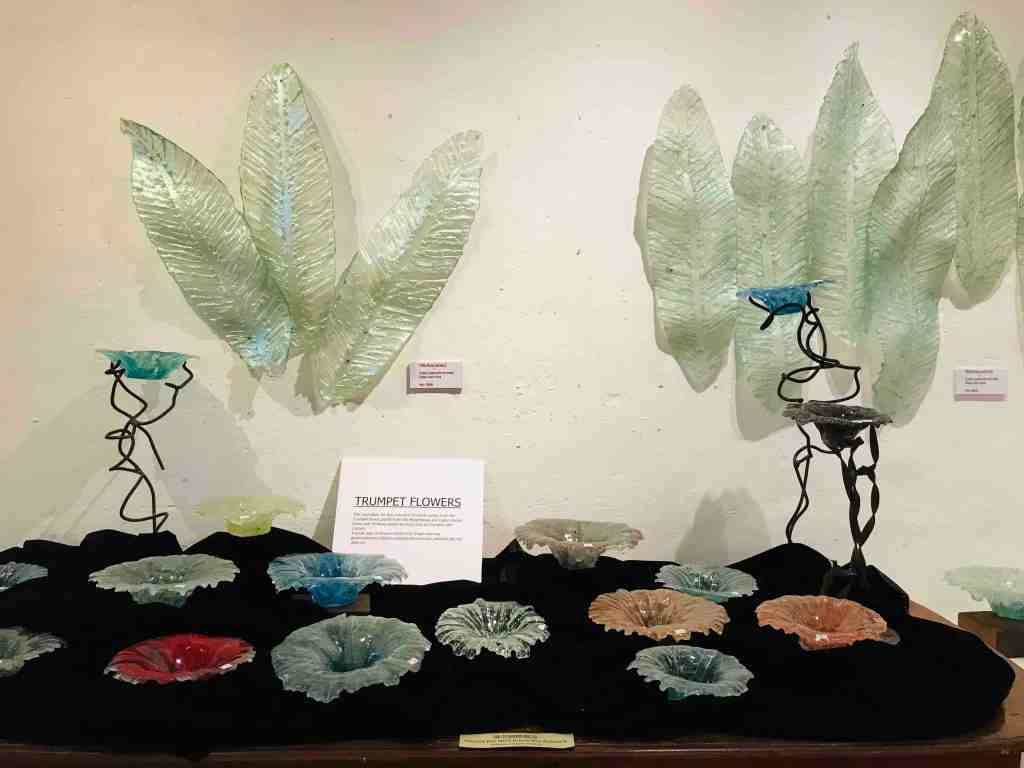
More Men (and a Woman) with Plants was the kind of show that should be at the Kew Gardens in London, UK. If not a botanical garden in Malaysia. The floor above the café housed a display of artworks by seven Malaysian artists: Fuan Wong, glass artist / horticulturist; Tan Wei Ming with Zack Low, space imager / landscape artist; Howard Tan, photographer / collagist; Esther Geh, botanical artist; MK Cheah, glass artist / mosaicist; Jonathon Yun, sculptural silversmith, and Hoo Fanchon, artist in multimedia.
All the works were outstanding. Fuan Wong’s glass sculptures of caladiums, ferns and daturas left a lasting impression. We’re gardeners ourselves and big fans of caladiums, so it was lovely to see these plants remediated as art.
Esther Geh’s botanical illustrations should be turned into a book. We were bowled over by Geh’s Peranakan Kitchen (Ulam & Spices), which features plants commonly found in Peranakan and Malay dishes: chilli (lada), turmeric (kunyit), ginger (halia), kaffir lime (limau purut), lemon grass (serai), torch lily (bunga kantan), betel (sirih) and cosmos (ulam raja).
More Men (and a Woman) with Plants was the kind of show that should be at the Kew Gardens in London, UK.
Jonathon Yun’s jewellery showcase derived its inspiration from various sources, but was also reminiscent of the traditional dokoh or pendant that’s strongly influenced by botanical motifs. That may not be his artistic origin but one could easily imagine his brooch on a modern or traditional dress.
We were intrigued not just by the artworks but how the artists arrived at their artistic conclusions. Fuan Wong’s studio is also his family’s durian orchard. Isn’t that where many artists create their art – in the family garden or a farm? Art may not be a common Malaysian vocation or pastime, but gardening is. It’d be a shame to miss this exhibition.
To the letter
- Ban Ban Kia: Penang Shop Signs
- Artists: Joel Lim Du Bois & Tan Sueh Li (Malaysia)
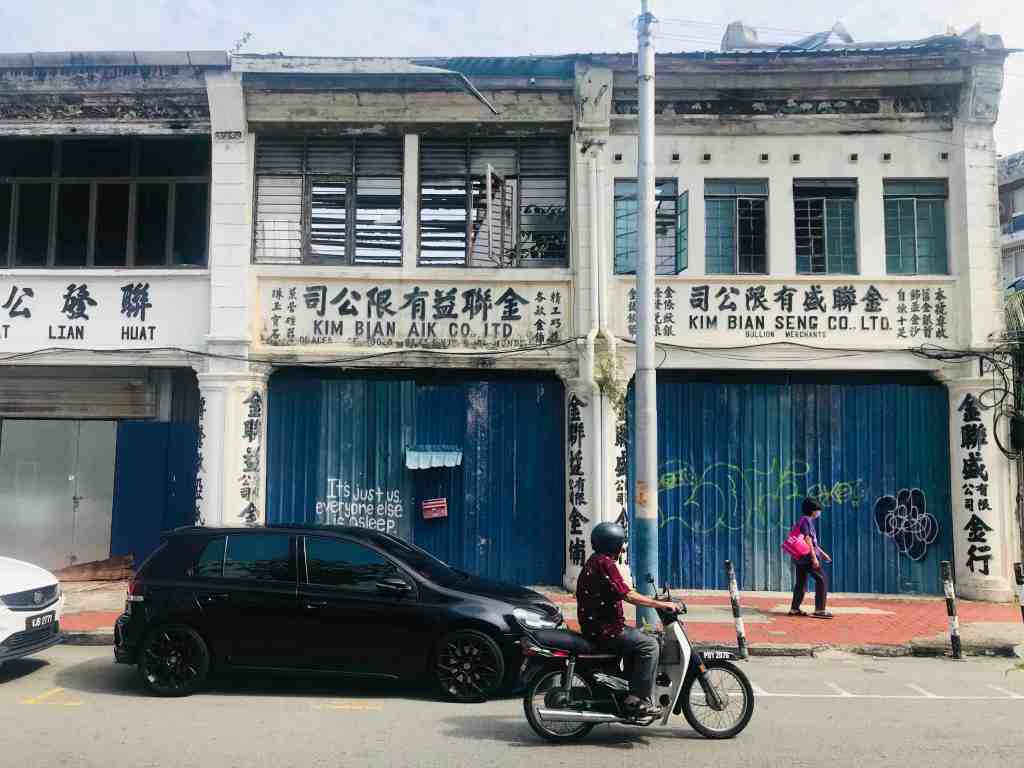
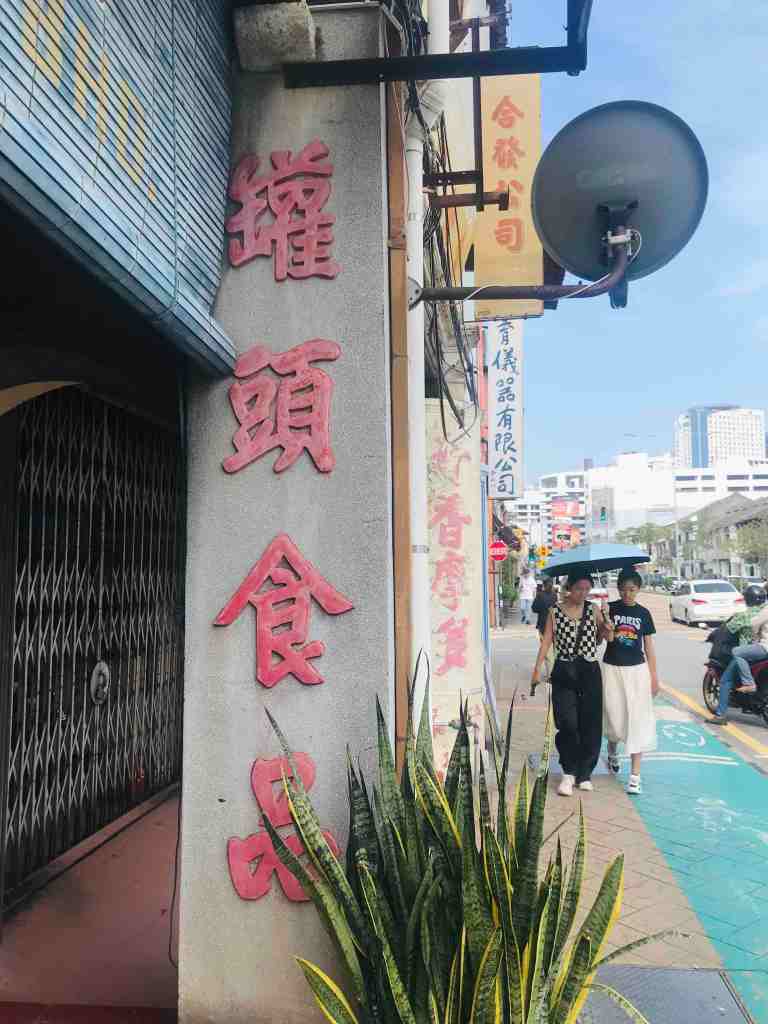
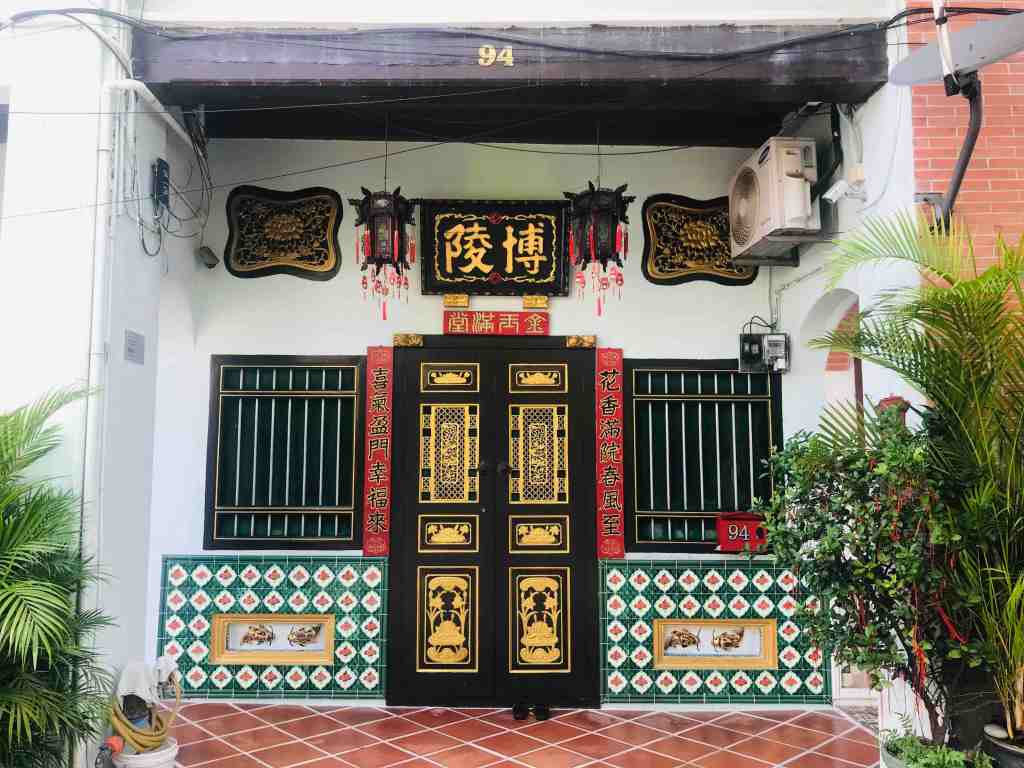
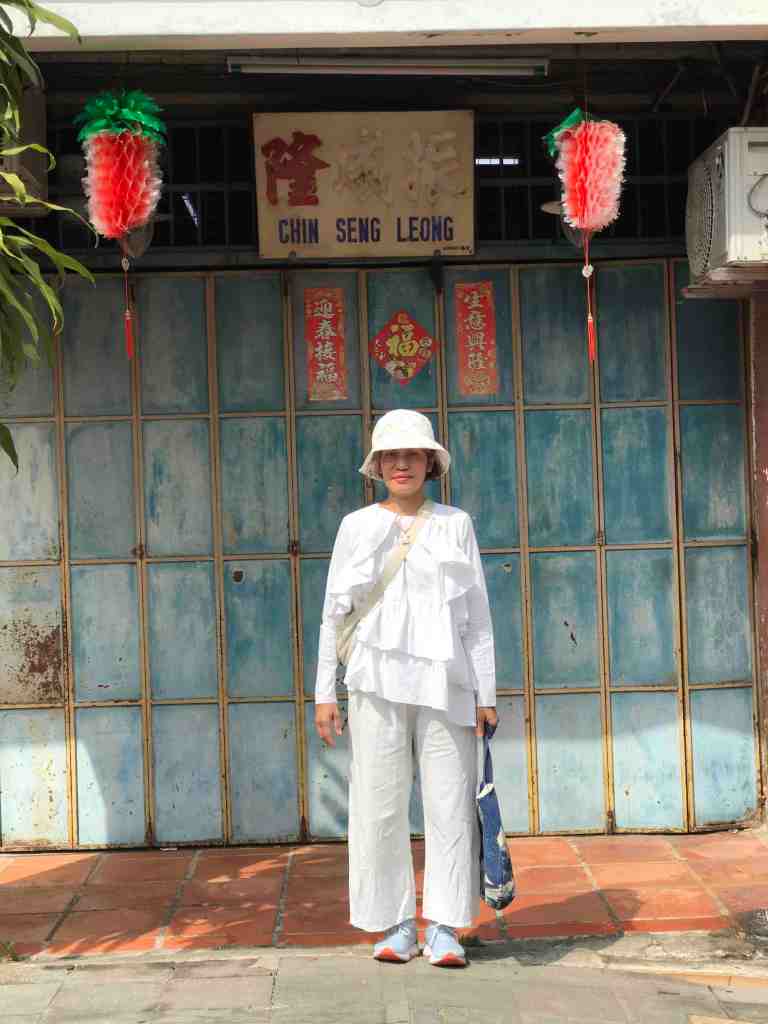
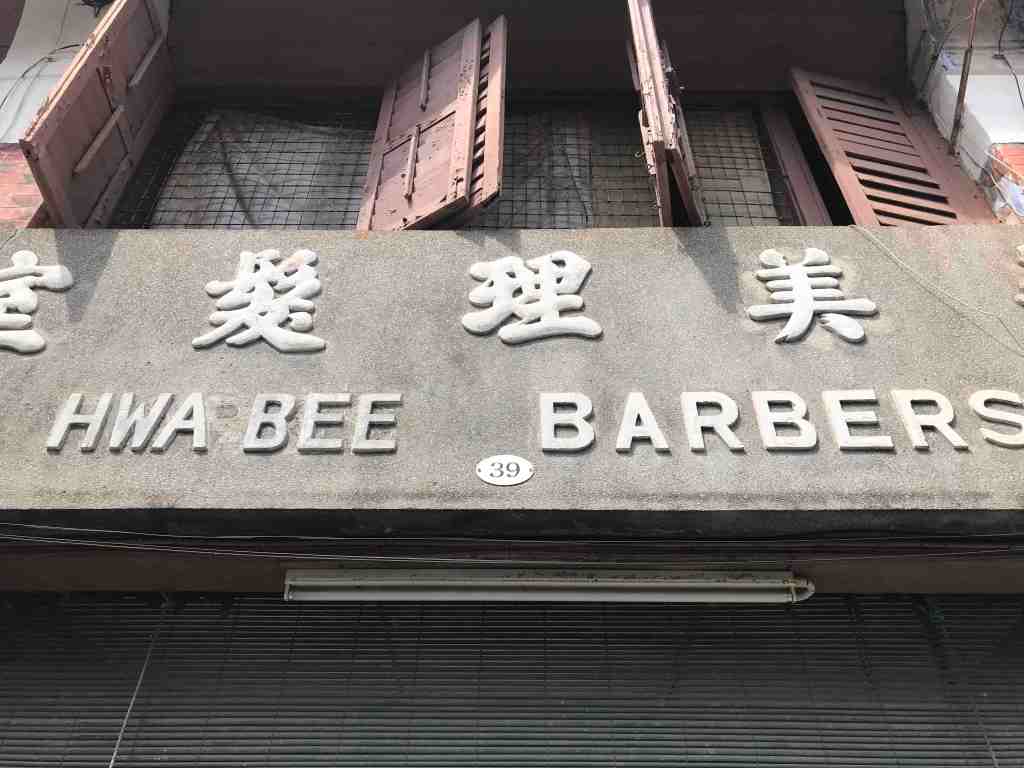
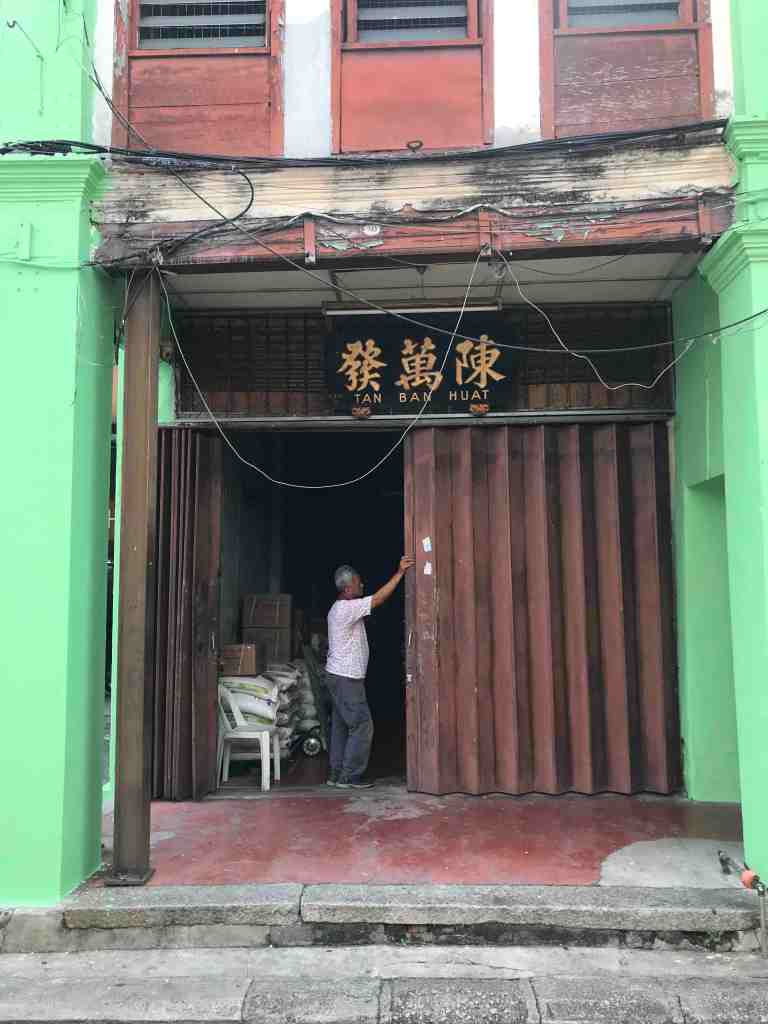
Artists Joel Lim Du Bois and Tan Sueh Li organise the workshops as well as the walking tours around the areas of Campbell Street, Prangin Road, Carnavon Street and Chit Tai For. We didn’t get to attend any due to our limited time in Penang, so we made up for it by walking around the old town area to admire the retro shopfronts.
More on the artists
More on George Town Festival 2024
- Website: www.georgetownfestival.com




 Story Of Books