

Tsutaya Books, pop culture and UNESCO
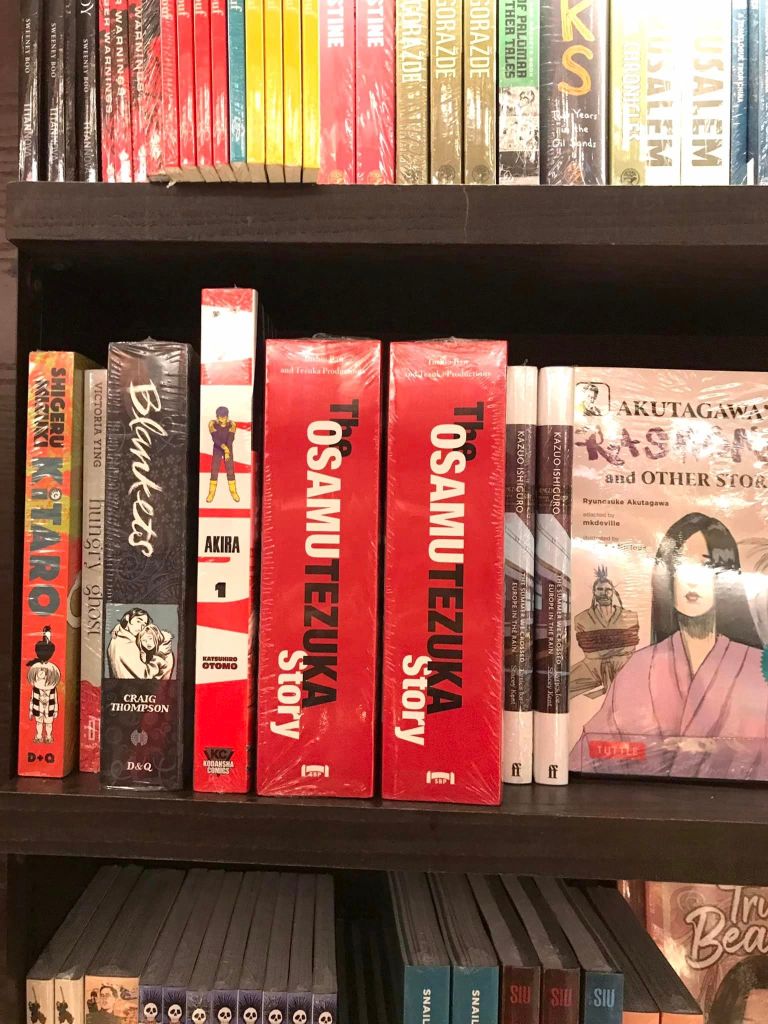
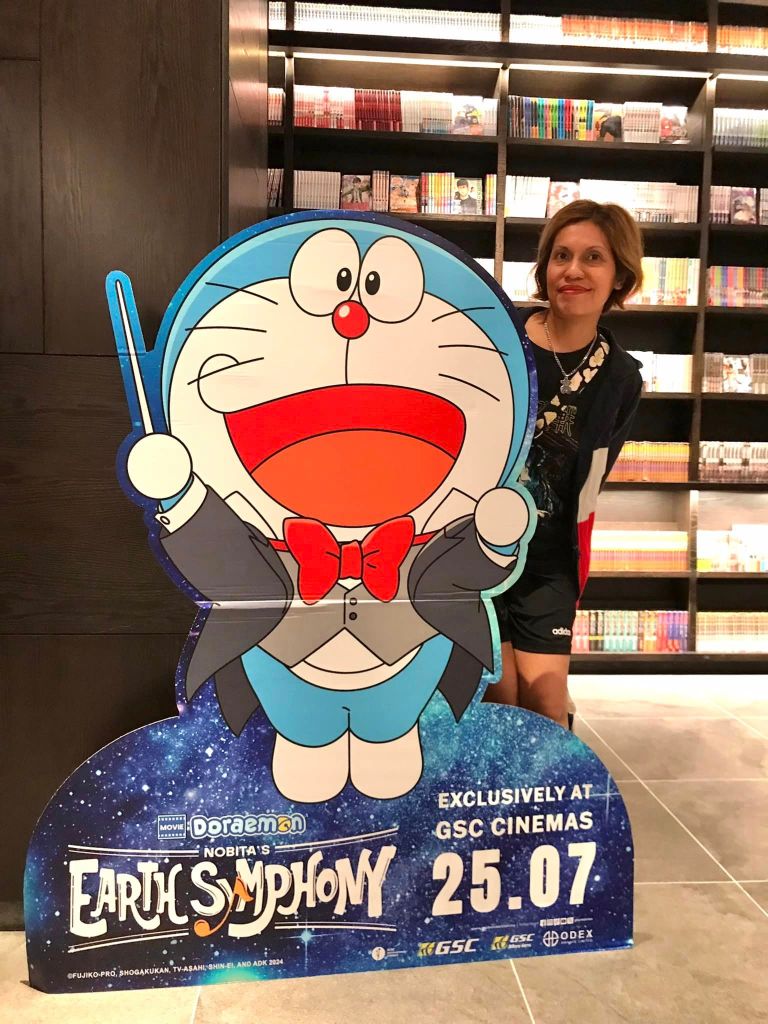
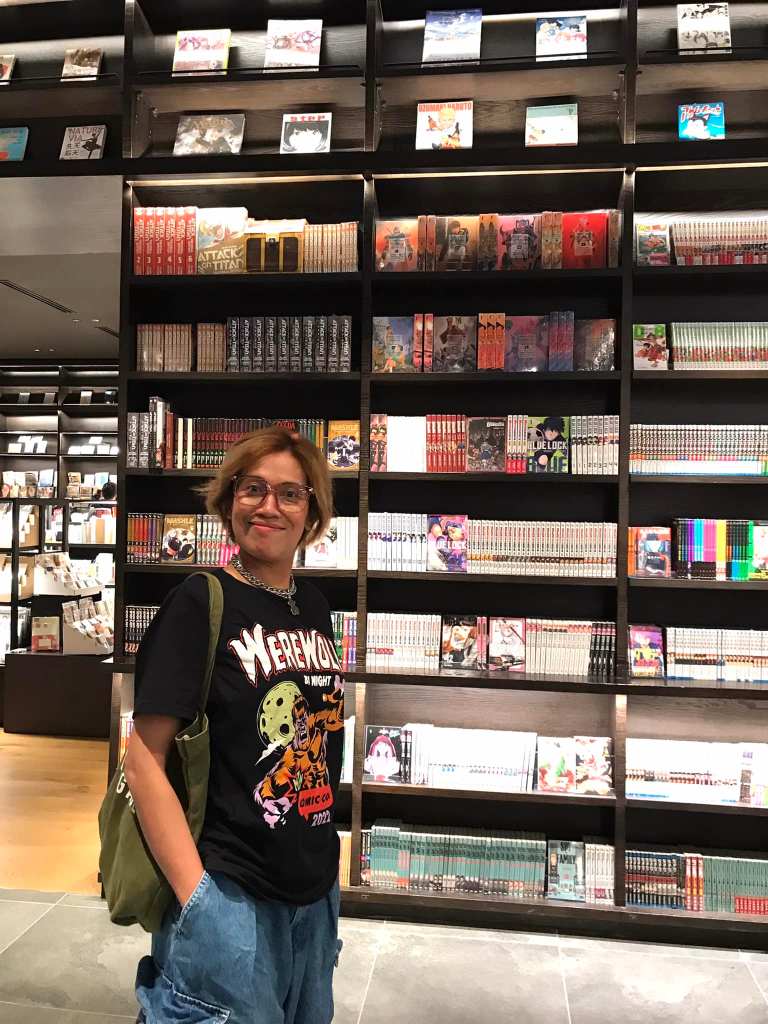
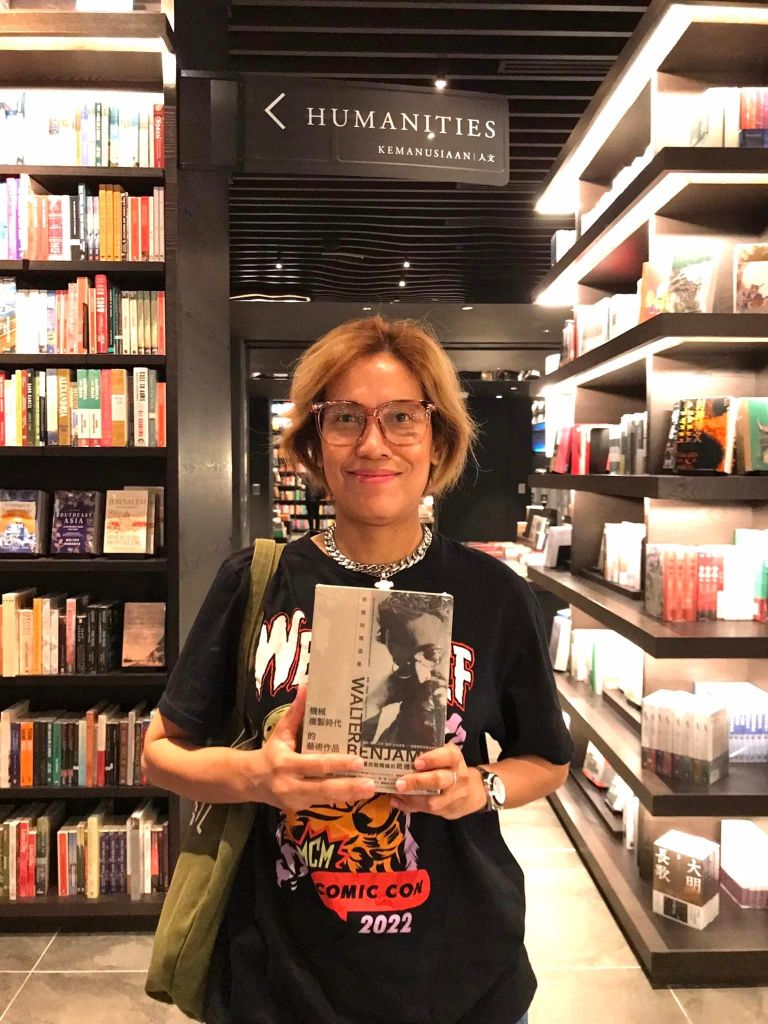
Earlier this month, Story Of Books was in Kuala Lumpur to check out Tsutaya Books’ flagship Asean store at Pavilion Bukit Jalil. We first heard about this luxury bookstore from a publisher at The Ivy Kensington, London, UK in September 2023. He showed us photos of a spacious, modern bookstore featured in Monocle. Almost a year later, we got to see Tsutaya Books in person. It was an experience.



We were also in the capital city to see the Editor of Story Of Books moderating a session at a UNESCO-affiliated event on 8 August 2024. The session, Creative Approaches to Culture: Safeguarding Heritage in Style, discussed the role of pop culture in preserving traditional art forms such as shadow puppetry, gamelan, Teochew opera and so on. It was one of the three panel discussions featured at the Malaysian National Commission UNESCO (MNCU) Network Dialogue 2024.
You can watch the session’s video playback featuring Fusion Wayang Kulit, OPPO Malaysia and the gamelan ensemble Gangsapura here.
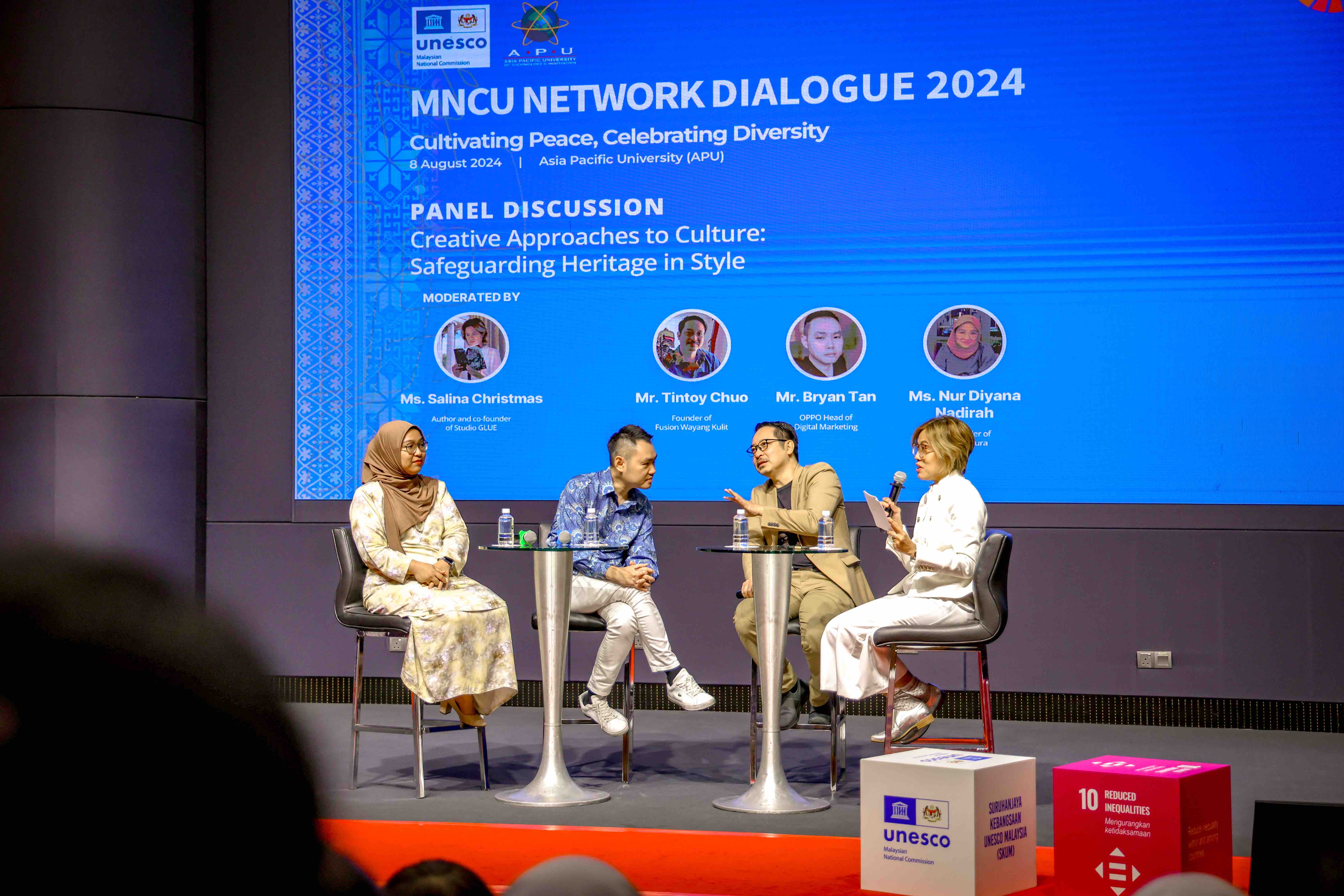
Pop culture is a business. Therefore, the dialogue also centred on intellectual property and marketing.
Pop culture is a business. Therefore, the dialogue also centred on intellectual property and marketing. Gangsapura’s Nur Diyana Nadirah’s enlightened the audience on digital revenue streams via Instagram and Spotify – platforms that also shore up fans for their live performances. OPPO Malaysia’s Bryan Tan explained the Malaysia Through The Lens viral campaign that highlights the smartphone’s role in documenting Malaysia’s cultural tradition. Fusion Wayang Kulit’s Tintoy Chuo impressed the audience with the digital advances used such as video projection and male-to-female voice altering technology, to adapt from Marvel, DC and anime characters into Kelantanese wayang kulit.
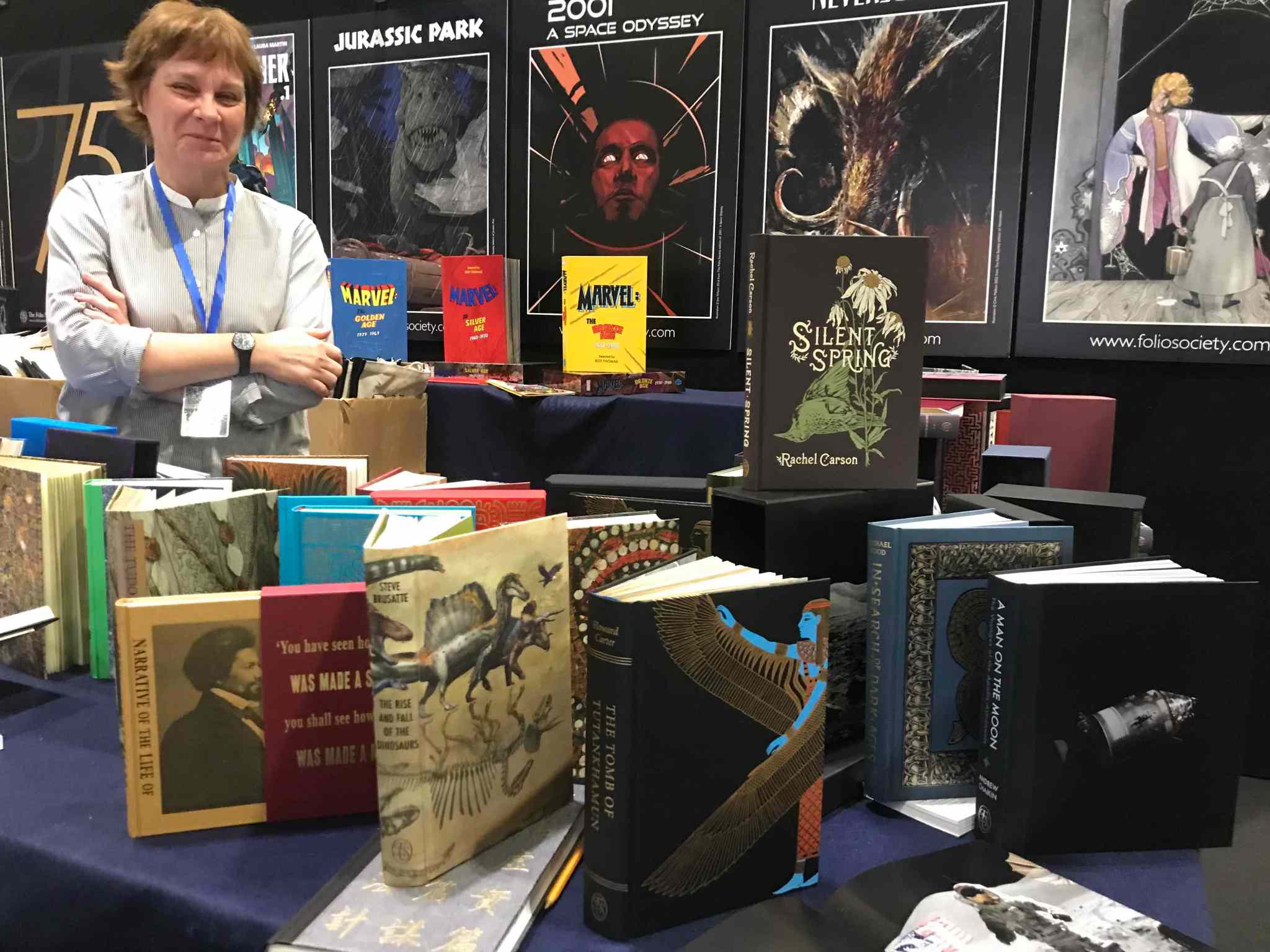
Story Of Books saw similar efforts carried out in the UK to preserve British culture and the English Literature. For example, folklores are celebrated at book events and comic conventions. Traditional archetypes in the fantasy genre such as werewolves and vampires – the former an allegory of the duality of the human character, the latter originally an Irish metaphor for rebellion against oppression – are repeatedly remediated in pop fiction and book-to-screen adaptations. By keeping these ‘monsters’ alive, they’re preserving the historical references to the nation’s past, simultaneously keeping a dialogue open about their future direction.
More on pop culture and tradition on Story Of Books
- MCM Comic Con October 2023: Pop culture is a business (30 October 2023)
- The British Library exhibition, Fantasy: The Realms of Imagination. A well-written story can change the world, if only in a reader’s mind (20 February 2024)
- Five Minutes With: Tintoy Chuo, Designer & Shadow Puppeteer, Fusion Wayang Kulit (21 May 2019)
- Story Of Books at MCM Comic Con
- Story Of Books at London Book Fair

Shōgun’s reboot casts a spotlight on James Clavell’s Asian Saga
Shōgun is not Game Of Thrones, but both are book-to-screen adaptations. Generation X and older would have remembered the first mini-series, aired in 1980, featuring David Chamberlain as John Blackthorne. The 2024 update featuring Cosmo Jarvis as Blackthorne may be more at home in the world of George R R Martin. Chamberlain’s Gaijin is a gentleman; Jarvis’s Gaijin is a gentle brute.
The 1975 novel tells the story of an English navigator who witnesses the loneliness, tenacity and rise of Toranaga, the Lord of the Kanto, who suffered great losses to become the undisputed shogun. The 2024 mini-series received 25 nominations for the 76th Emmy Awards, including Outstanding Drama Series, Lead Actor in a Drama Series (Hiroyuki Sanada), Lead Actress in a Drama Series (Anna Sawai) and Supporting Actor in a Drama Series (Tadanobu Asano, Takehiro Hira). The 1980 mini-series received 12 nominations.

Clavell, a British World War 2 veteran, was a prisoner at the notorious Changi Prison in Singapore. No doubt his experience informs the character development of John Blackthorne. Before he hit the big time with Shōgun, Clavell wrote the novel King Rat (1962) about prisoners at Changi. Back in 1980, the poetic license that he used to fictionalise the Momoyama Period (1573-1615) annoyed critics. But it’s his pop culture take on that period that rouses the world’s curiosity on the political system called “the shogunate”.
His Asian Saga tells of the situations and consequences the British find themselves in their respective colonies, and as Western power retires from Asia.
The 2024 series puts other novels by Clavell in the spotlight, such as Tai-Pan (1966). His Asian Saga tells of the situations and consequences the British find themselves in their respective colonies, and as Western power retires from Asia. The 2024 dramatisation of Shōgun impresses us because the female characters, unlike the 1980 version, aren’t a tool to validate the manliness of John Blackthorne. Lady Toda Mariko can do serious damage with her spear, and that’s good to watch.
More on James Clavell and the Asian Saga
- Amazon author: James Clavell
- History Today: A Historian Reads James Clavell’s Shogun (Volume 31, 10 October 1981)
Orgies, wars and empires: the amazing tale of Gayatri Rajapatni
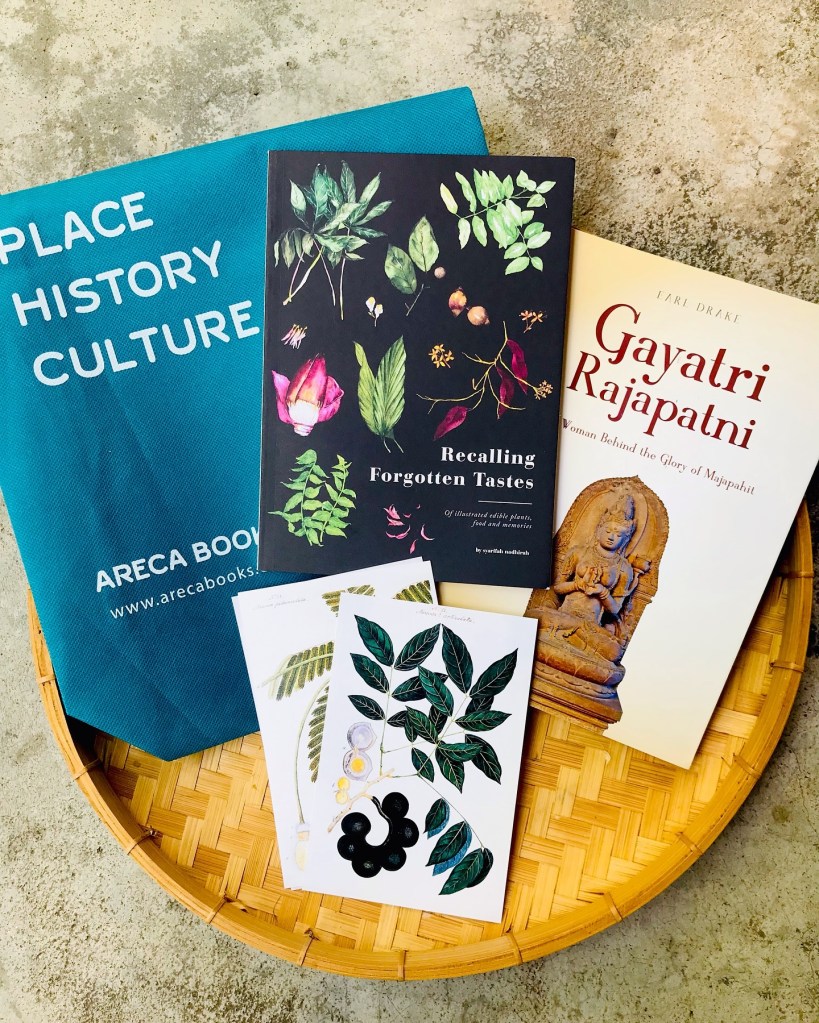
This one book we found at Areca Books in Penang is outstanding. Written in a docudrama format, Gayatri Rajapatni is the fictionalised account of an actual Javanese sovereign who engineered the expansion of the Majapahit Empire between 1292 and 1350. The author, Earl Drake (1928-2023) was a former Canadian diplomat and ambassador who had served in Pakistan, Malaysia, Burma, Indonesia and China.
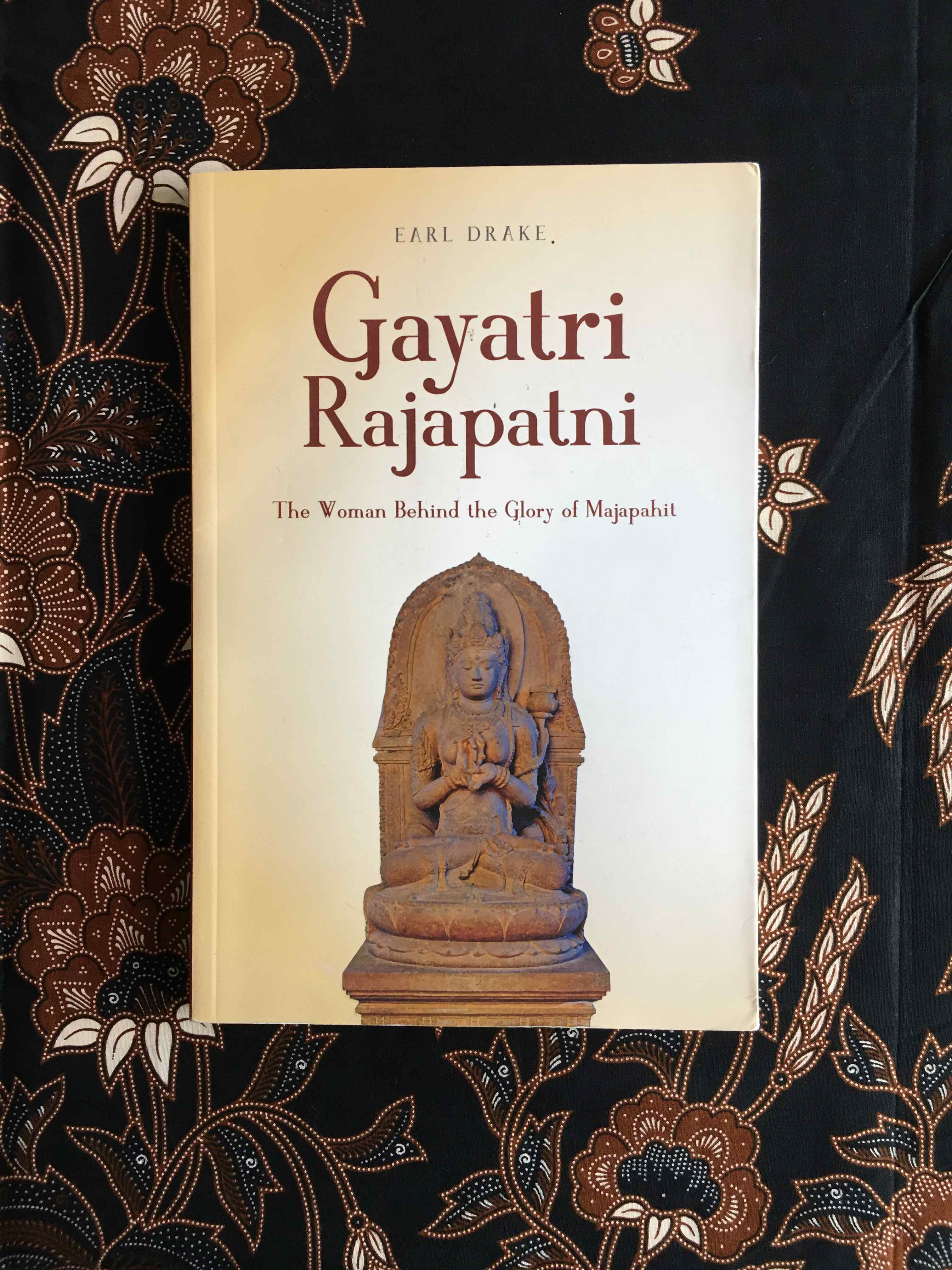
For those not familiar with the history of the Malay Archipelago, Majapahit was a Hindu-Buddhist Empire in Java that preceded the Islamised Mataram and Demak Sultanates. The latter were descended from the former by blood. Loosely defined, ‘Majapahit’ denotes areas south of Sumatra and in the southern part of the Malay Peninsula. ‘Srivijaya’, its counterpart, denotes the areas in most of Sumatra, north of the Malay Peninsula and Indochina.
Drake’s third and final book is important because it sheds light on three key periods that changed the course of the region’s history:
- the Yuan Mongols’ failed campaign against Java in 1293;
- the fall of the Singhasari Empire via a terrible massacre;
- and the rise of the Majapahit Empire in 1294.
When the Kediris found the Singhasari royal court engaged in sexual orgy instead of engaging in war with them, they killed the latter in disgust.
You will be shocked by the story of how Gayatri, the youngest daughter of King Krtanagara of Singhasari, survived an intense two-year period that saw her parents slain and the princess being a fugitive, before being rescued by her brother-in-law, who later became her husband. What’s even more shocking is the reason the Kediri royals murdered their neighbours, the King and Queen of Singhasari. The latter practised a “left-hand” version of an ancient Buddhist practice to counter the Yuan Mongols’ observance of it.
Drake’s insight into the “left-hand” extremist interpretation – in layman’s terms, Tantric sex, yogini sex priestesses, witchcraft and human sacrifices – practised by the Mongols, raises eyebrows. It also explains the unusual brutality and sexual violence that frightened their Chinese officials and the subjects of the Mongols. Upright Buddhists would certainly frown upon this deviancy. In fact, in 1292, it offended the Kediri invaders so much that, when they found the Singhasari royal court engaged in sexual orgy instead of engaging in war with them, they killed the latter in disgust.
Critical of the waywardness of the extremist left-hand practices, but deeply scarred by the murders of her parents, Gayatri became a contemplative monarch. She spent her final days as a Buddhist nun.

This book also offers a glimpse – and a good one at that – of the weariness of the Cambodians, Vietnamese and Japanese of their incessant Mongol harassers. The Malay kingdoms, on the other hand, were split. Some welcomed the Mongols. The Yuans brought not only destruction. The retainers of Kublai Khan also introduced to the Buddhist Malays, weirdly enough, a religion that eventually gained prominence in the region: Islam.
Details of the historical events in Gayatri Rajapatni are carefully referenced to historical sources from Java and China, and contemporary sources from the West. Drake draws from ancient Javanese epic poems such as Nagarakertagama to retell Gayatri’s adventure. He also explains how Patih Gajah Mada, a commoner and a soldier, bypassed the nobilities to become the Prime Minister who engineered the expansion of Majapahit. Gayatri, his monarch and mentor, was the power that validated him.
The Yuans brought not only destruction. The retainers of Kublai Khan also introduced to the Buddhist Malays, weirdly enough, a religion that eventually gained prominence in the region: Islam.
Is there a parallel to be made between the Asia of Gayatri’s time and the Asia we live in now? The future generation can tell if we are on the right side of history. For a 139-page book, this docudrama packs in a lot of information. None will bore you. If anything, it makes you admire Gayatri Rajapatni whose desire for peace led to the formation of a formidable empire.
More on Earl Drake and Areca Books
- Gayatri Rajapatni: The Woman Behind the Glory of Majapahit (Areca Books)
- Goodreads: Earl Drake
- Website: Areca Books
The Acolyte gets a comic book, not a second season
Marvel Comics will release a standalone Star Wars title based on the franchise’s latest drama, The Acolyte. To be available at bookstores on 4 September 2024, the comic book was written by British writer Cavan Scott. He penned the spin-offs for the BBC fantasy series Doctor Who. Marika Cresta was the penciller and Phil Noto was the cover artist.

The story centers on the Wookie Jedi, Kelnacca, one of the four Jedi masters stationed on the planet Brendok to witness a horrible massacre of witches. It’s a tragedy that leads to the formation of the Jedi renegades called “Sith”. The drama aired on Disney+ in June 2024 is different from other Star Wars spin-offs. It feels more like a horror than a thriller. There’s no war but a deadly conflict that pits the Jedi against witches, witchcraft and what can only be described as deviant Jedi practices. Our creative editor says Star Wars is “steam punk”, not normally of witchcraft genre.
Lee Jung-jae of Squid Game fame plays the lead character Sol, the master Jedi, who tries his best to save his padawan Osha from a Sith called Qimir. The Sith is brilliantly played by Filipino-American actor Manny Jacinto.
The TV series won’t be getting a second season. Hopefully the comic book will continue to revive interest in this spin-off. Come on, don’t you think Qimir looks a bit like Kylo Ren? Don’t we all want to know where that family madness comes from?
More on The Acolyte








 Story Of Books
2 responses to “Pop can revitalise traditional culture and inspire the young”
[…] not the kind of book that compels you with engaging storytelling like This Sceptred Isle or Gayatri Rajapatni. But Ancient Kedah: History, Archaeology & New Narratives is the kind of non-fiction that will […]
[…] The theme for the 2024 edition is People. The 14 articles reflect the people that make Malaysia a country from the following ethnicities: Malay, Chinese, Indian and the Indigenous groups. They also focus on sub-groups such as the Kelabit of Sarawak, the Bugis (possibly the most Polynesian of the Malay groups), the Malaysian Odia community who originated from Odisha, India, and the Nepali Gurkhas. There is also a highlight on the Mongols, whom we know left a mark on the Malay Archipelago in 1293 (review: Gayatri Rajapatni, Story Of Books, 26 August 2024). […]