
In 2024, poetry has gone ecological and free-verse. It’s not the first time poetry does away with rhymes and meters – or obsesses over nature – but today’s disrupted world is reshaping its direction. The Heron Books, a British bookshop, told The Poetry Society UK: “Free verse takes over, poetry lacks structure and reflects the state of the world we live in today.” 2024 is the year of resurgence in “individual, subjective poetry which is radically political and authentic”.
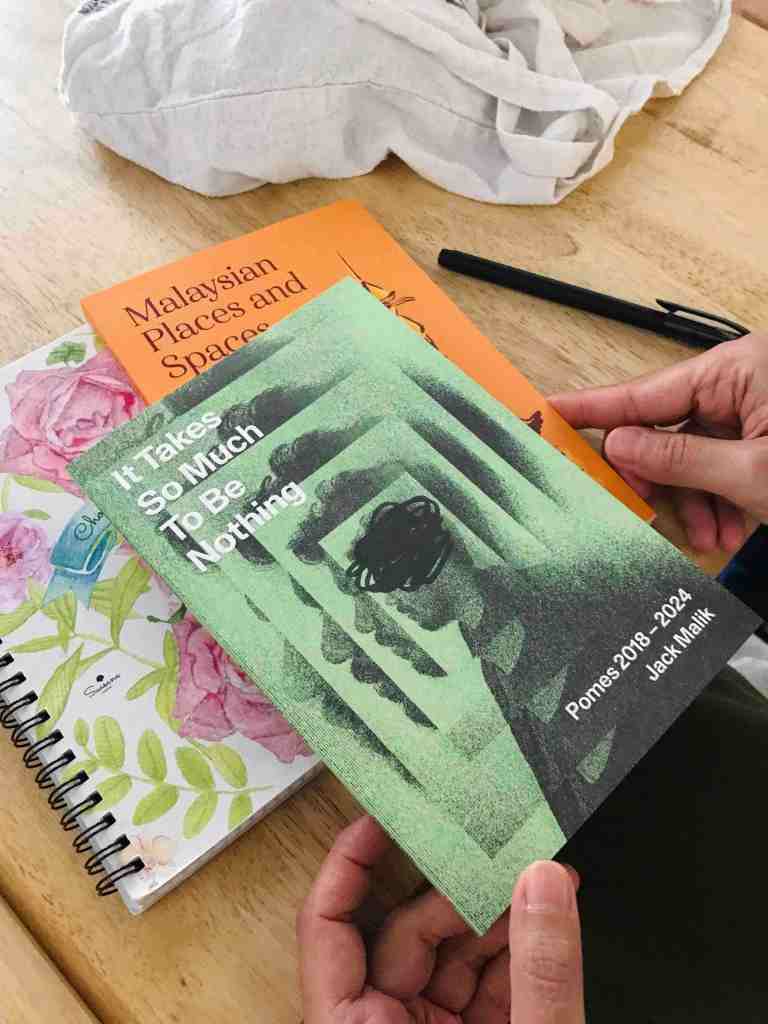
Across the oceans, in Malaysia, we thought we saw it in Jack Malik’s English and Malay poems (Five Minutes With: Jack Malik, Poet (Story Of Books, 16 October 2024). The Beat Poets and pop music contribute to the shape and sound, but it looks like social media – what The Booksellers called ‘instapoetry’ (or ‘poetrytok?) – has helped poetry go exponential. For example, poet Dan Whitlam is amassing thousands of fans on TikTok. He’s relatable and the medium he chooses is accessible to many people.
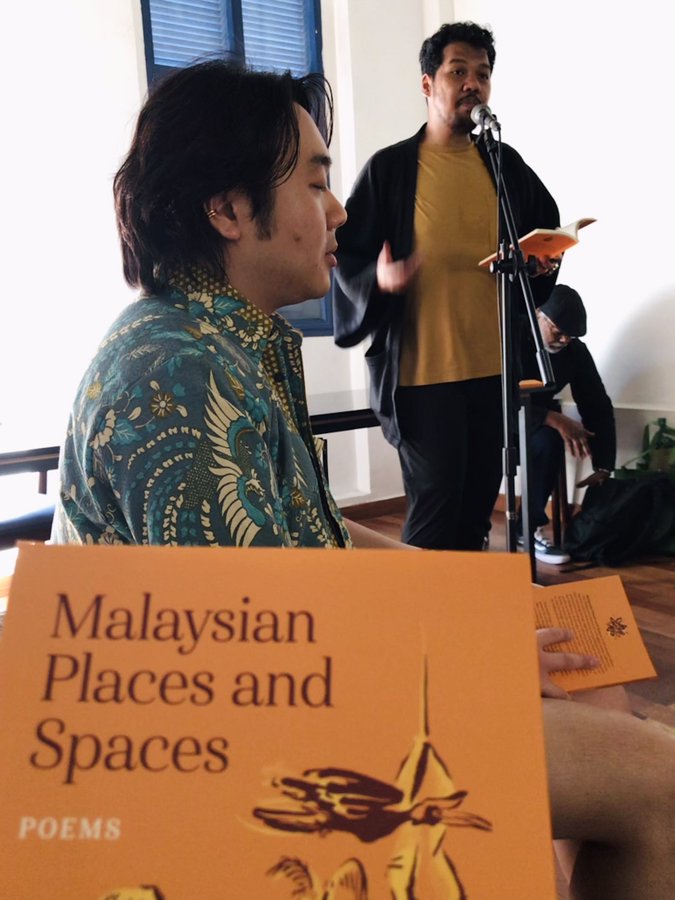
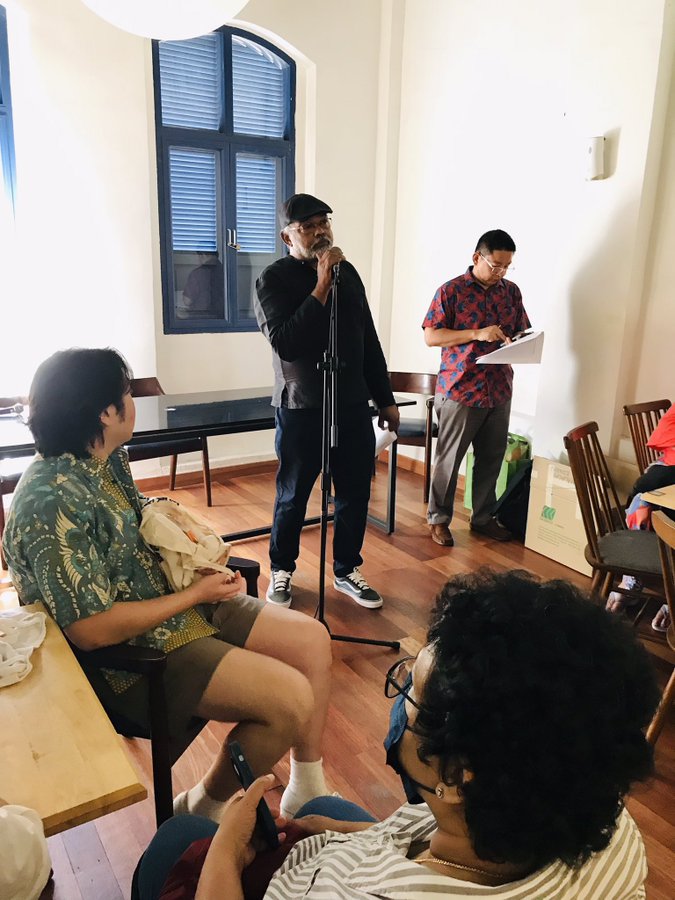
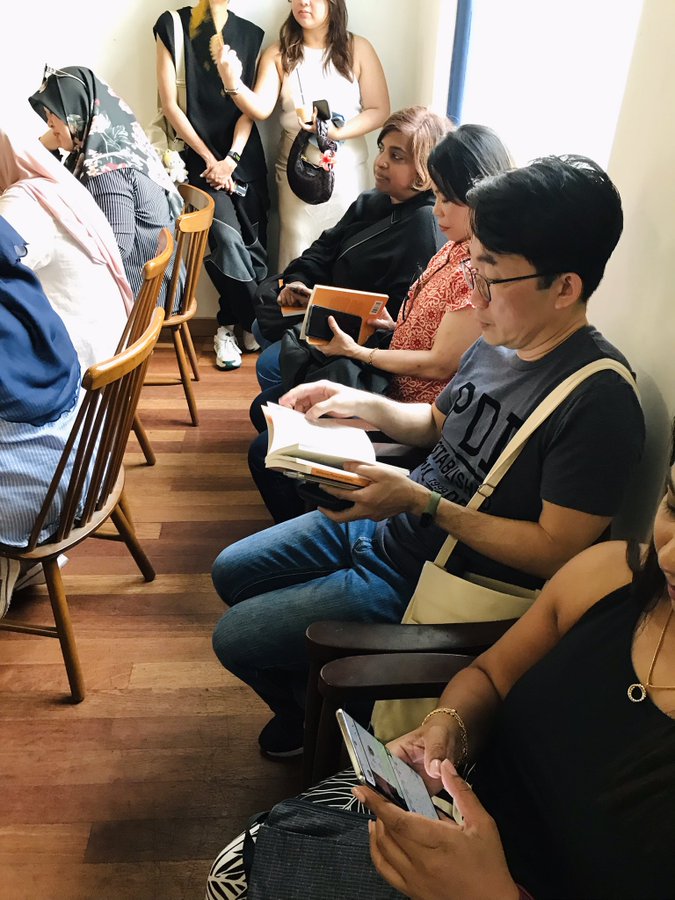
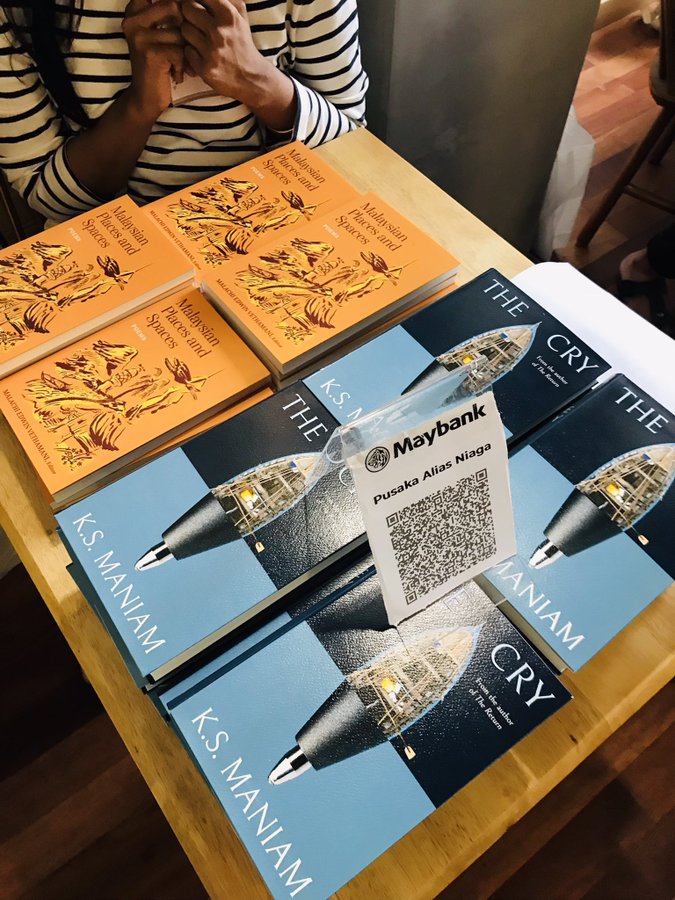
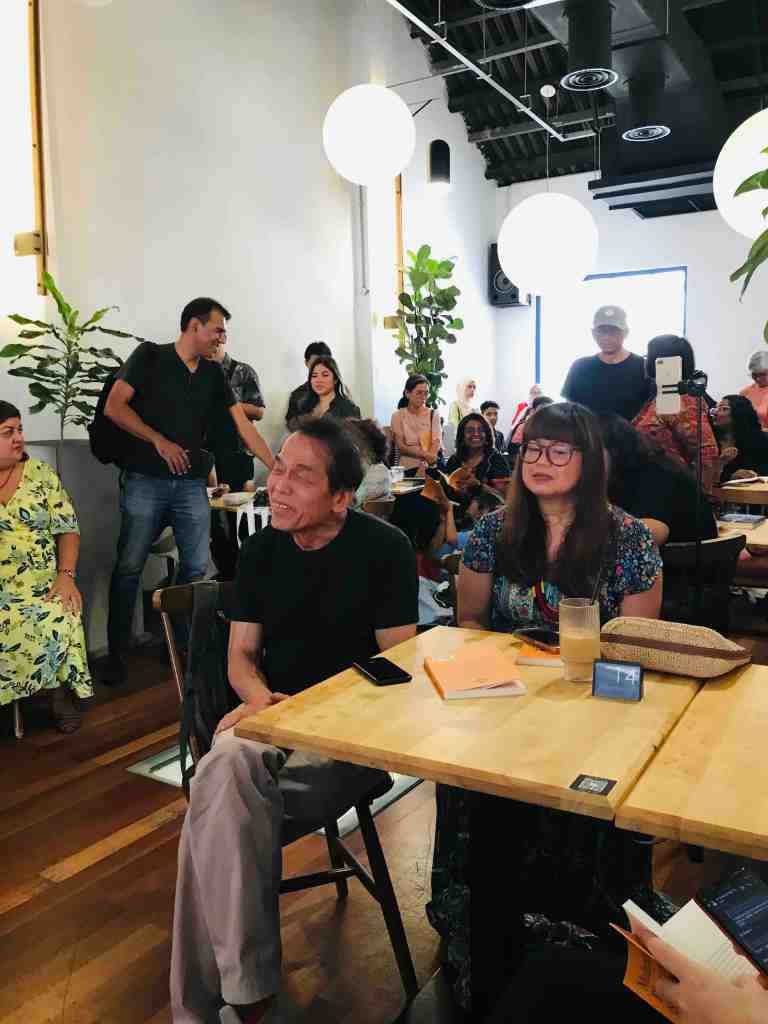
Earlier this month we attended three poetry book launches during the KALAM Kreatif KL festival. The book launch of Malaysian Places and Spaces saw 16 poets reciting the tales of hope, despair, love and loathing of towns and cities across the country. Some of the poems are funny, some sad. All chart every inch of the human soul and situate emotions as places that you scrutinise. Many are free-verse, highly individual and radical, especially those that are scathing about the environment and misplaced social aspirations. For a country seemingly addicted to skyscrapers, you’d think Malaysians like tall buildings. They don’t. Pick up Malaysian Places and Spaces and you’ll understand how they really feel.

For a country seemingly addicted to skyscrapers, you’d think Malaysians like tall buildings. They don’t. Pick up Malaysian Places and Spaces and you’ll understand how they really feel.
The recited poems that stood out to us that day were “Still Brickfields” by Malachi Edwin Vethamani, “Serdang Hospital Carpark” by Sheena Gurbakhash, “Reunion” by Ivan Ling and “Love Thy Neighbour” by Khayma Balakrishnan. In the book itself, there are more brilliant poems.
We’re quite pleased to see Fan Yew Teng’s “Kuala Lumpur! Kuala Lumpur!” featured in Malaysian Places and Spaces. We knew him in person since we were in high school and we witnessed his activism first-hand throughout our university and journalism years in Kuala Lumpur and Selangor. Fan is no longer with us but his poem reminds us of his physical bearing, his demeanour and his belief in the right thing for his beloved country. He was respected by friends and colleagues across the racial and religious spectrum of Malaysia.
Fan Yew Teng is no longer with us but his poem reminds us of his physical bearing, his demeanour and his belief in the right thing for his beloved country.
Later that evening, we attended the book launches of Antologi Merabak Sembah by the Rabak Lit collective and It Takes So Much To Be Nothing by Jack Malik.
It’s not often you see a poet putting his head through a guitar, or a poet flying off a chair, but that day, we got those crossed off our list. Poets Tulangkata, Ba.re, Aliff Awan and Meor Hailree gave the audience something to remember with their raw theatrical performances. Meor Hailree – the poet that put his head through the guitar – told us later that the bombast and optic are much needed in their poetry because “yesterday’s poetry doesn’t work for the current generation. We need to create something new”.
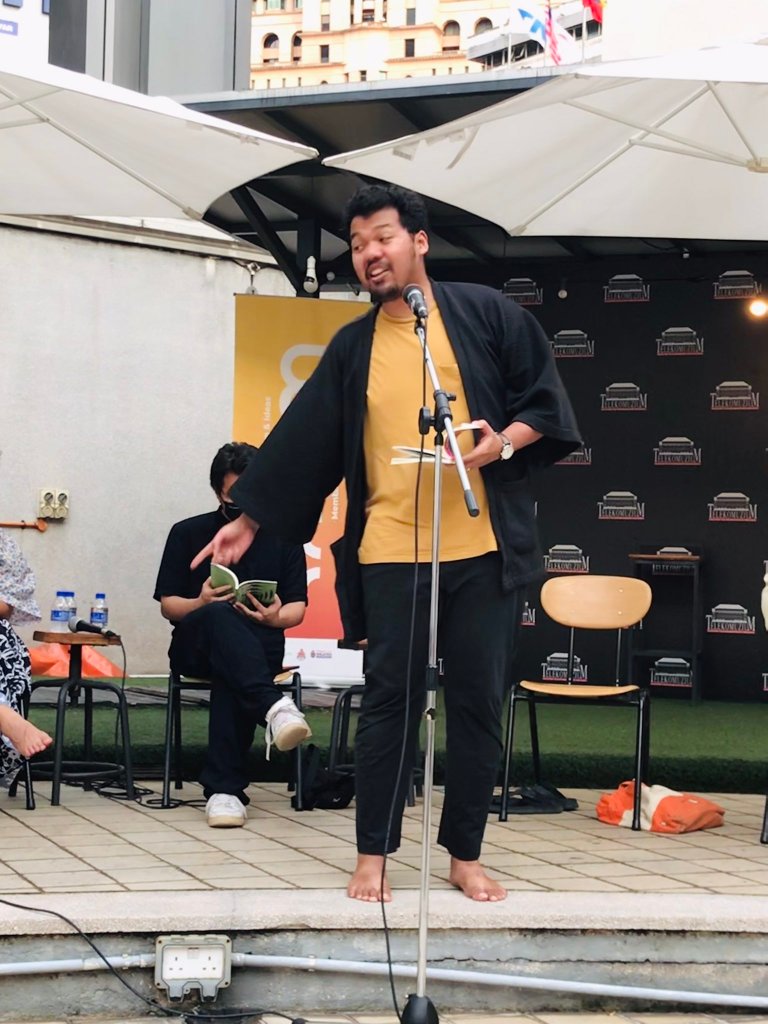
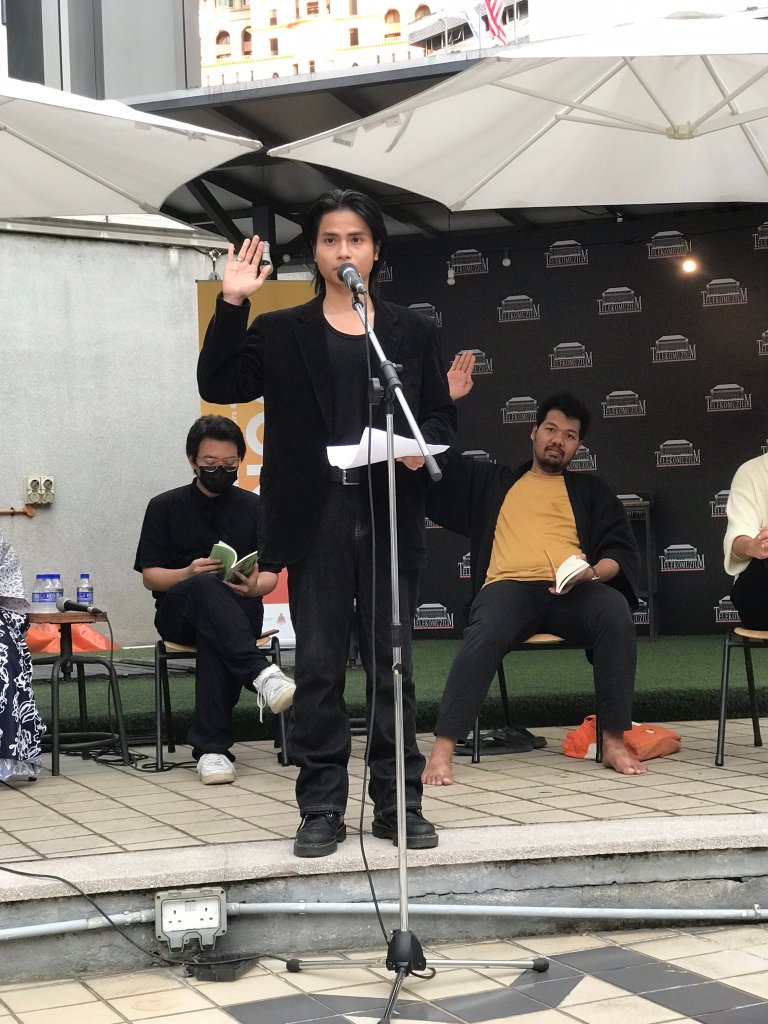
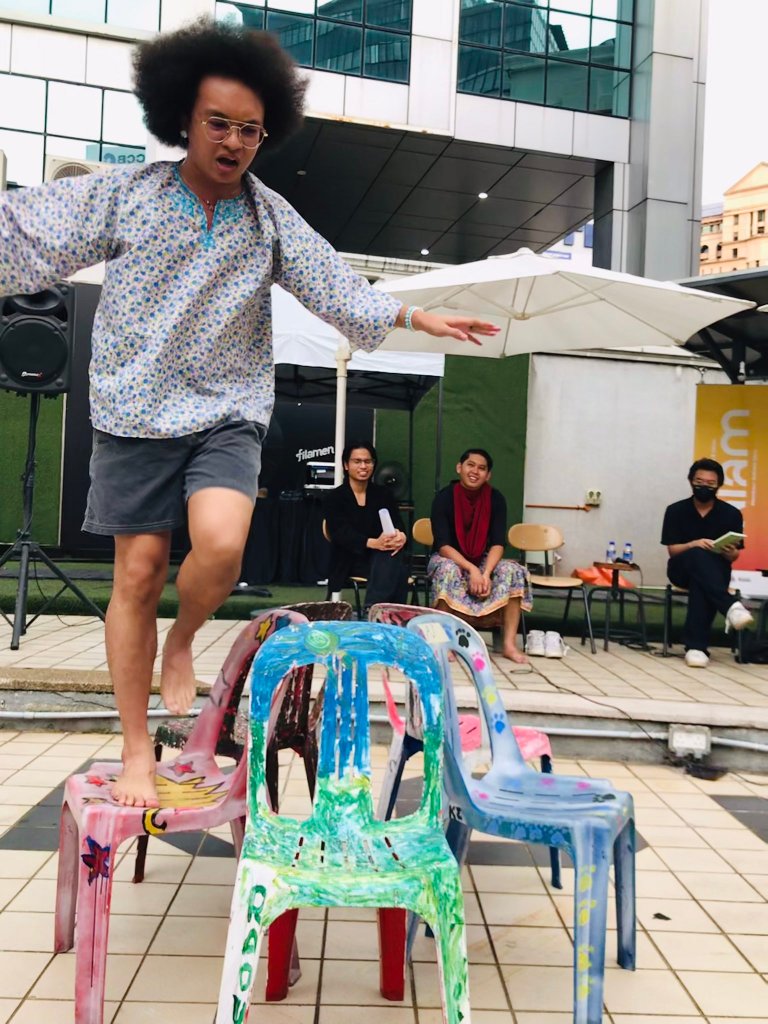
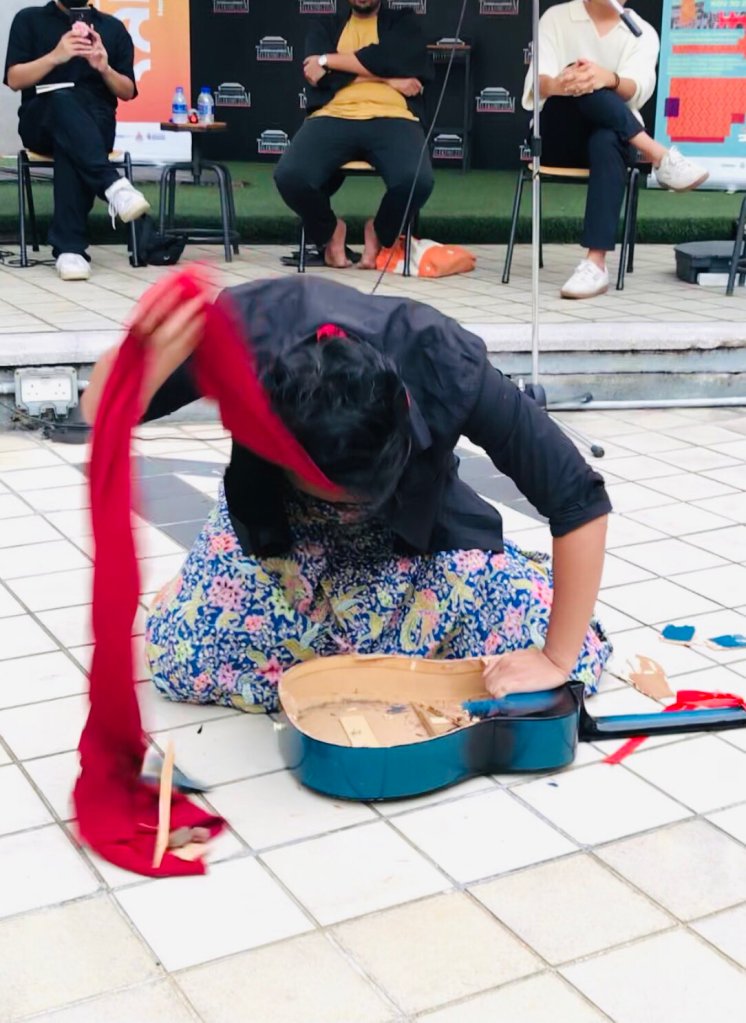
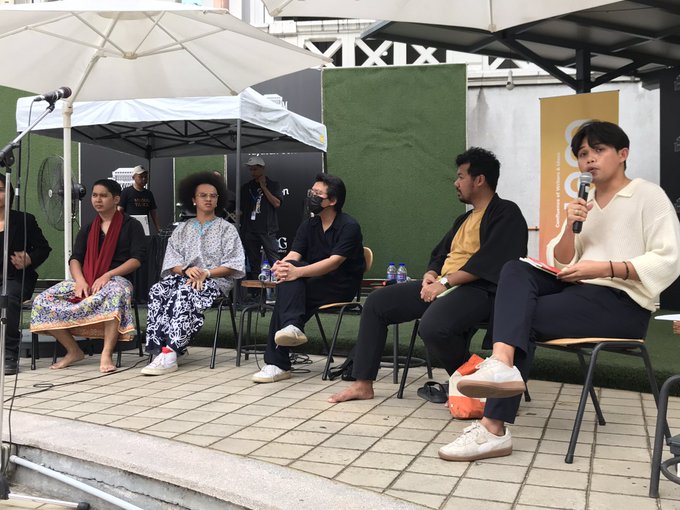
There’s a sense of urgency in their poems. Metaphorically, they’re saying: ‘Help! The house is on fire. Look here.’ They want us to pay attention to overpopulated commuter towns, the tyranny of automation and the oppression of social pressure. On paper, their poems shout, and so they need to be shouted out. It’s not something the UK hasn’t seen before, but it’s Asia. Asians toe the line; they don’t.
Benjamin Zephaniah once said that people don’t care about poetry because poetry doesn’t care about them. Lately, poetry has become what Zephaniah wished it to be: more involved.

People don’t care about poetry because poetry doesn’t care about them.
The money in poetry is still made in classics. In the west, Homer’s Illiad and The Odyssey will always top the poetry bestseller list. In the East, traditional poems will always be reprinted and circulated in libraries for students and academics. Classics that are self-referencing eco-chamber (“syok sendiri”), in Malaysia at least, almost snuffed out the public’s love for the genre. But thanks to social upheavals and the age of Anthropocene, poetry has found a new direction. And the vehicle it’s riding on is social media.
More on poetry at KALAM Kreatif KL 2024
- Malaysian Places and Spaces: Edited by Malachi Edwin Vethamani (Maya Press)
- It Takes So Much To Be Nothing: Pomes 2018-2024 | Jack Malik (Maya Press)
- Merabak Sembah – Antologi Sajak (Rabak Literature Publication)
- Five Minutes With: Jack Malik, Poet (Story Of Books, 16 October 2024)






 Story Of Books
One response to “Story Of Books at KALAM Kreatif KL 2024”
[…] we covered the launch of the poetry anthologies Malaysian Places and Spaces and Merabak Sembah at Kalam Kreatif KL. It was intriguing to see Malaysian poets mapping out the landscape of Malaysia Madani (Civilised […]