
Humans are Homo ludens (playing man) not just Homo sapiens. The young play games to understand the rules, build common sense into their understanding of the world before they’re inducted into adulthood. The mature and old play not necessary to compete and win, but to also make sense of the rules of society. Thus, we sing, we write, we paint, we do sport, we play board games, video games and so on.
I bought the book Why We Play: An Anthropological Study at Roberte Hamayon’s talk on her book at University of London’s Senate House in 2016. There, I also met the late Prof David Graeber and lamented to him of my dire financial situation that made me work in fintech. Yes, I studied anthropology to work in banking and finance in London.
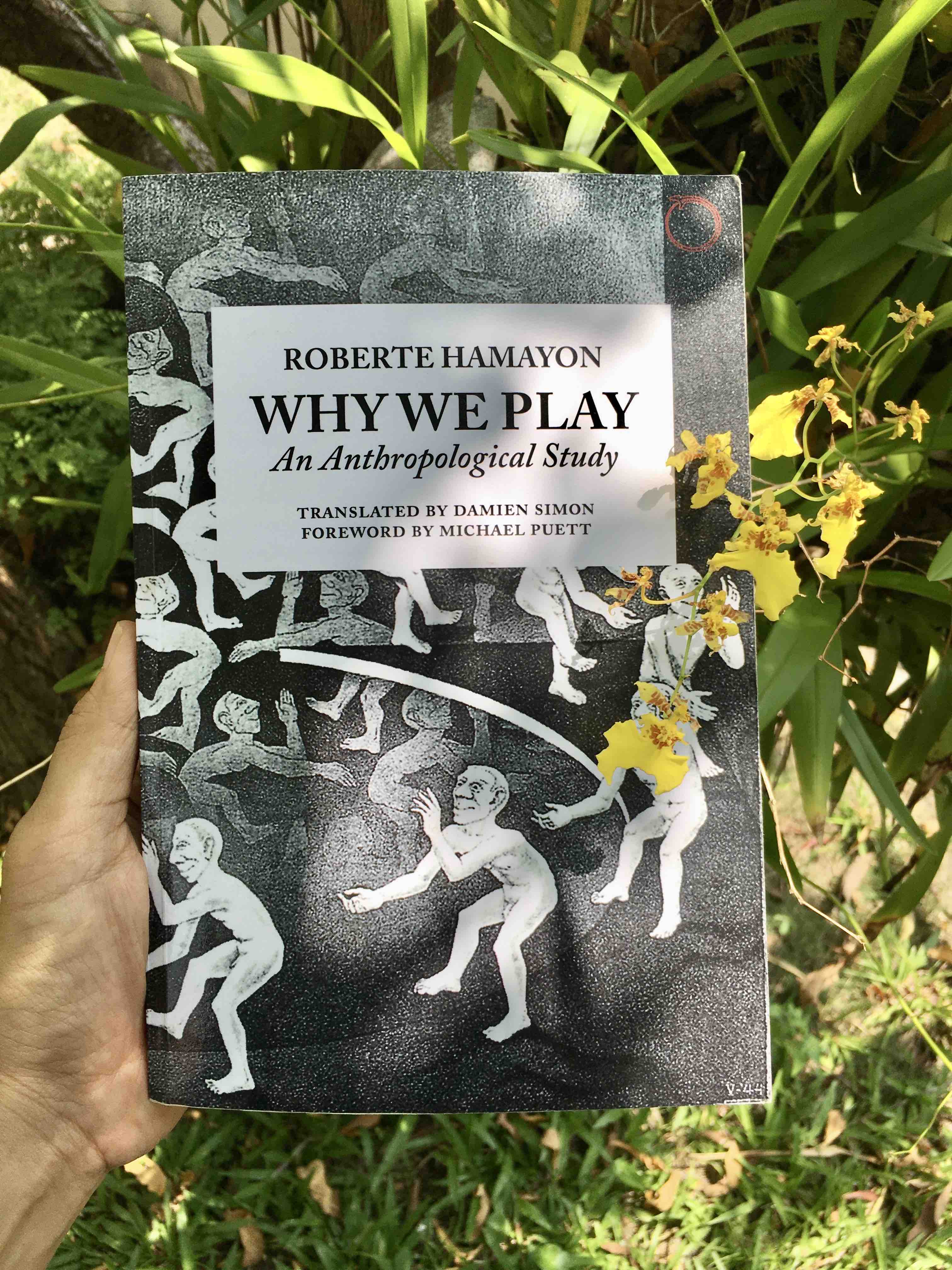
Play can traverse the static structures of “man” and “boy”.
Two points that Graeber made on play which I found impressive:
- There are labour, social exchange and free will involved in play.
- A metastructure regulates static structures such as “man” and “boy”. Play as an act of doing can traverse these two static structures.
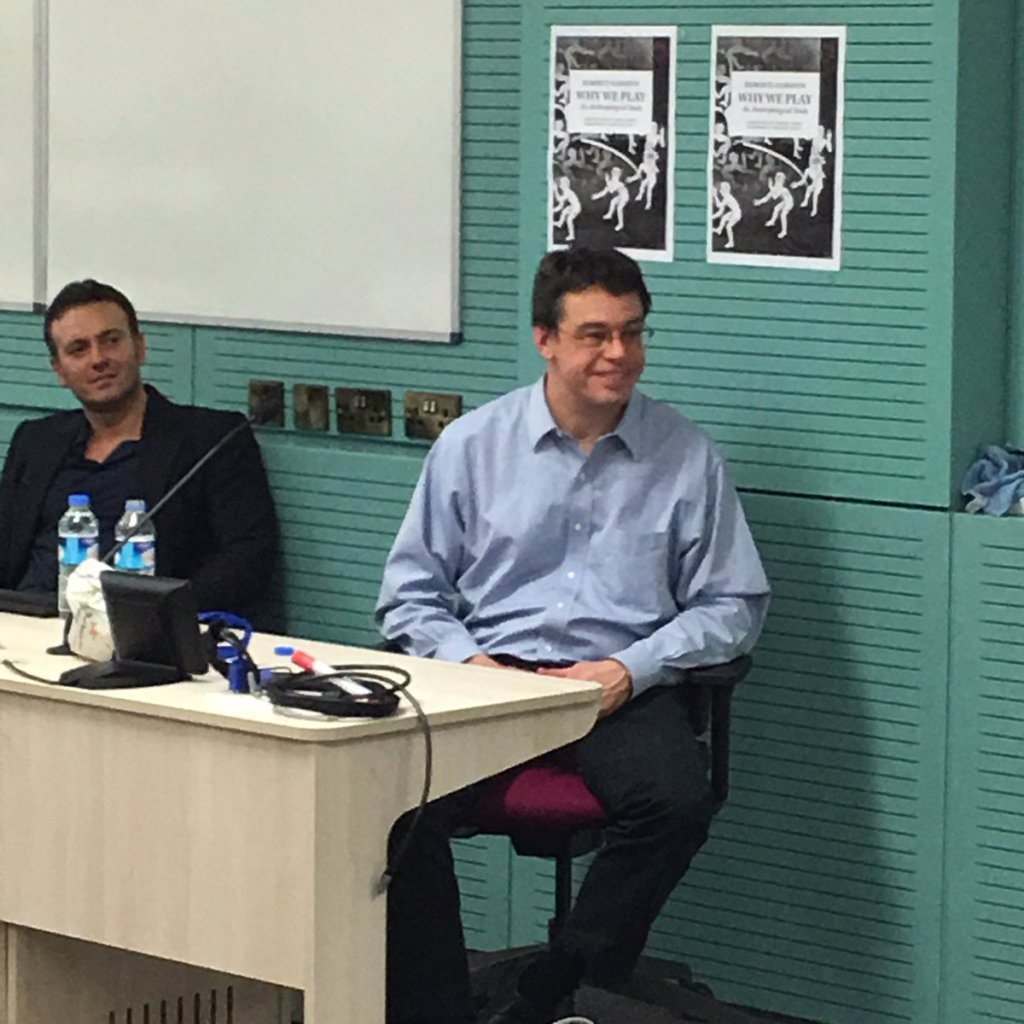
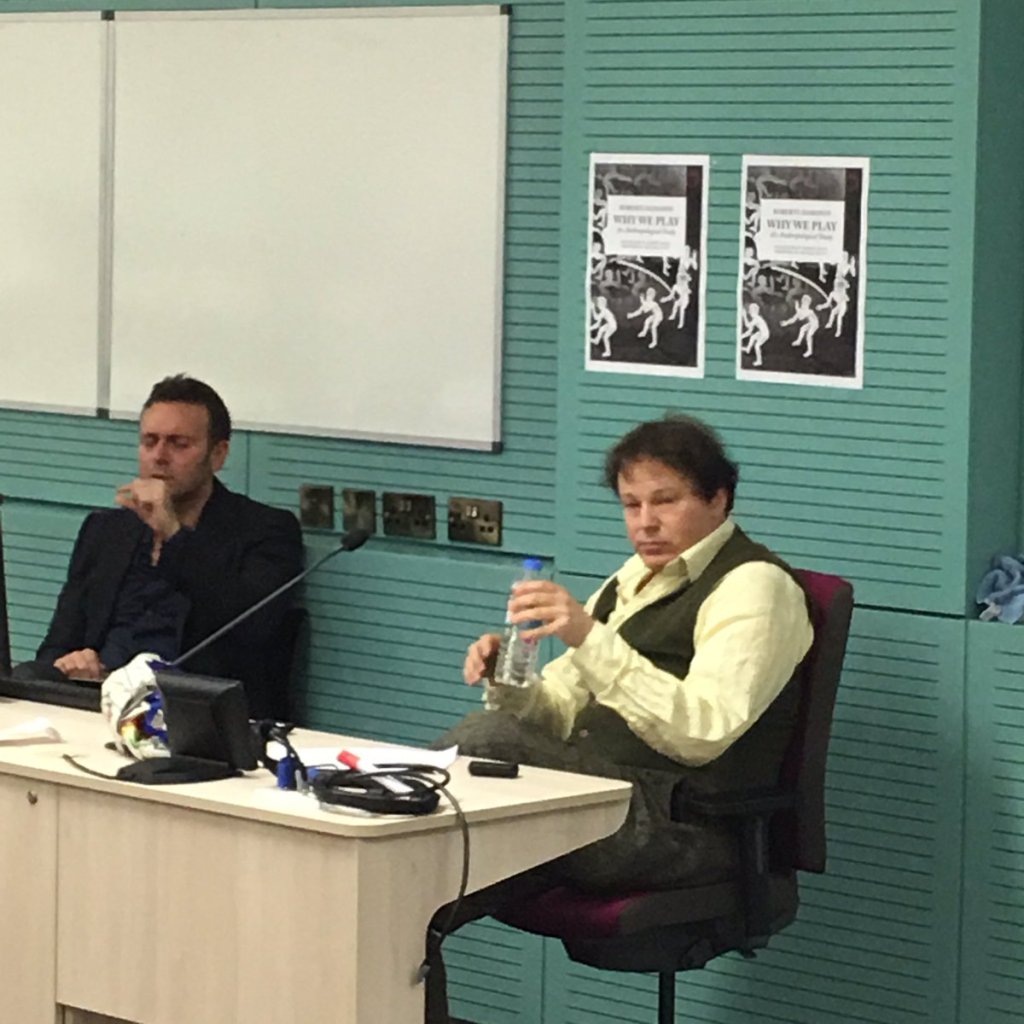
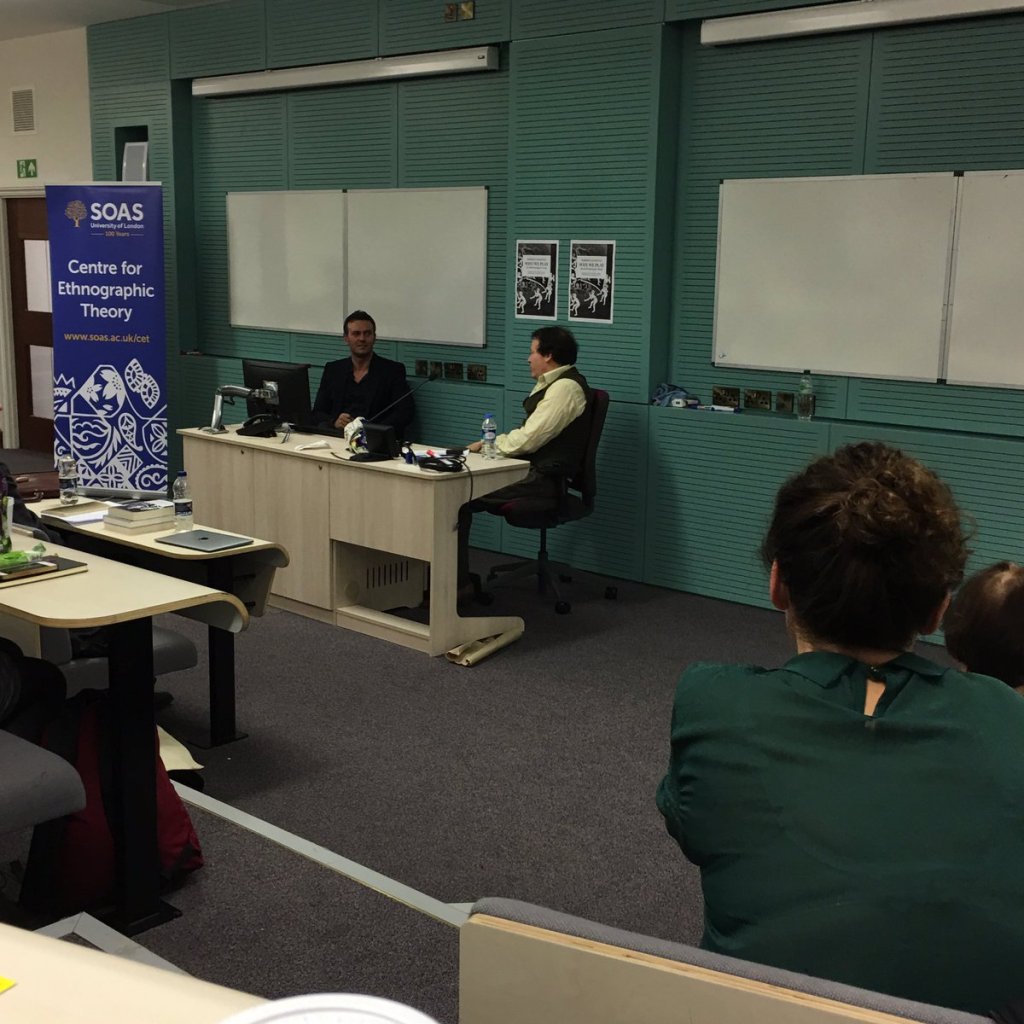
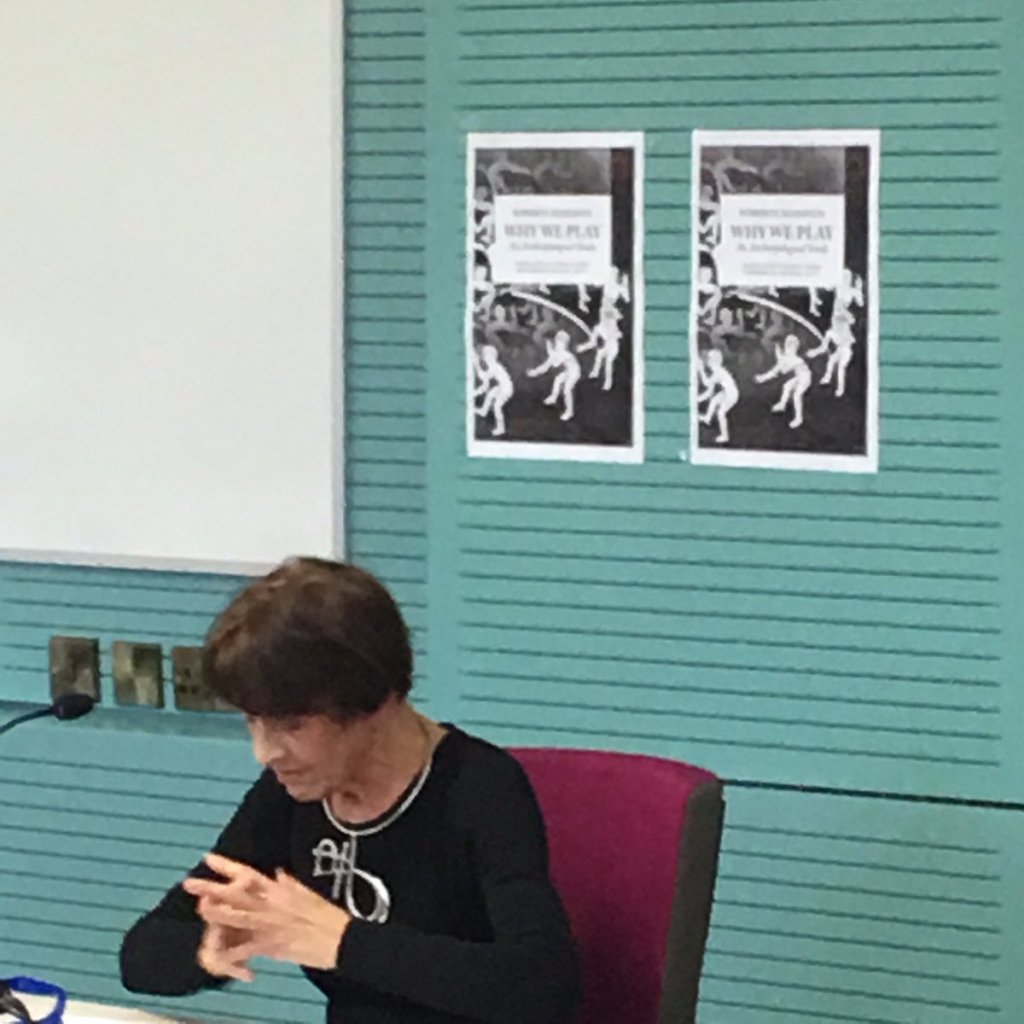
The two books I constantly read whilst working at the City of London were Hamayon’s Why We Play, and Yanis Varoufakis’s And The Weak Suffer What They Must?, about the history and the repercussions of the euro – the single currency – in Europe. With these two books, I tried to make sense of the world of finance: the power play, the high stakes, the boardroom games, and the workers of finance who stoically navigate the choppy waters of the City of London.

With these two books, I tried to make sense of the world of finance: the power play, the high stakes, the boardroom games, and the workers of finance who stoically navigate the choppy waters of the City of London.
Two MSc modules at University College London (UCL) influenced my anthropology fieldwork: Anthropology of Games and Simulation, and Medical Anthropology. In the former, I make sense of the sociality of gaming and sports. In the latter, I learned of intoxicants and their original functions as coping mechanisms.
My point: humans play to socialise, to make meaning of their existence, and to cope. The young need a play space so they can develop this sense; they need to function in this world of perimeters and constraints. The old and not so old also need play to create this anticipation of joy and optimism when they navigate their complex lives. Play is crucial.
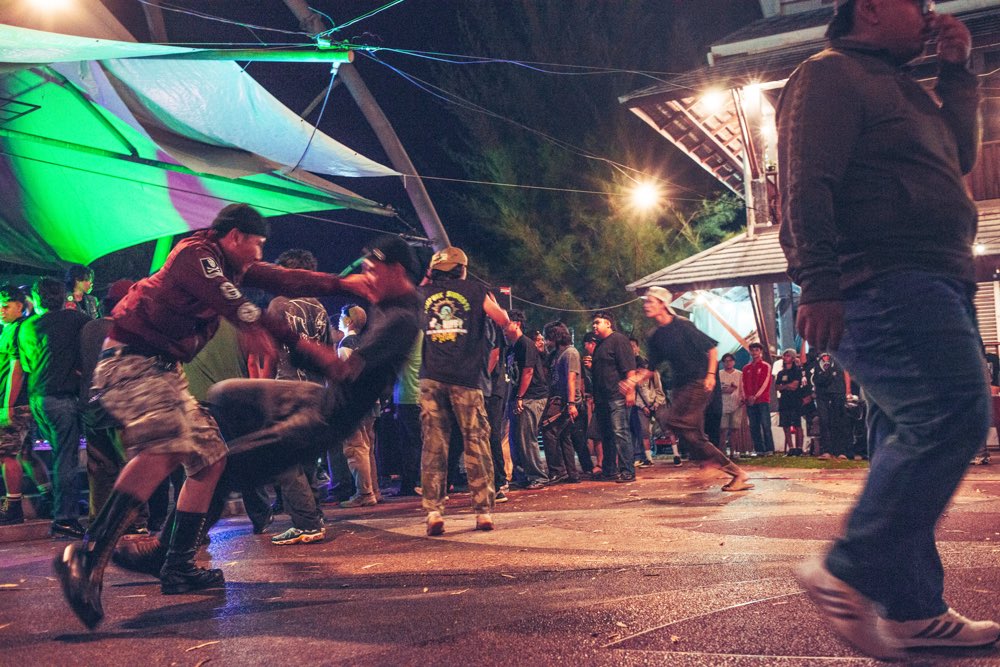
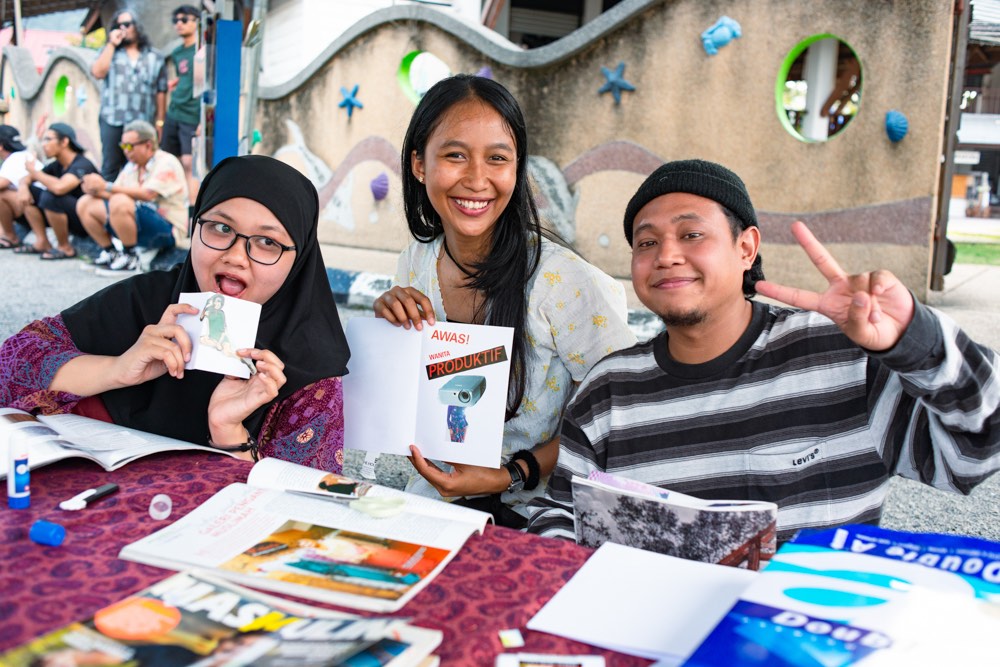
I attended the Lumut Creative Festival (Pesta Karya Lumut) for the first time ever as an outsider and as a local. I was impressed by the spirit shown by the local community – from the organisers to the seaside folks that turned up with their families and friends – even after the acts on the first night were cancelled due to ‘technical issues’.



“You play to learn the rules first, not to win”.
More profoundly, I was moved by the creatives – the rock bands, the DJs and the poets – who persisted in lifting the spirit, making do with the open-air carpark, to entertain the audience. I was also impressed by the graphic designers who strove to provide a visual identity for a sustainability event; their arts embodied the circular economy philosophy.
There were two types of play on the ground: child play (inquisitive and hungry for knowledge) and serious play (a game of chance, of figuring out rules, with lots at stake). The Lumut Creative Festival was a great grassroot arts event by the seaside. There was plenty of play in the most positive sense of the word. To quote the man who taught me how to play Quixo at MCM Comic Con London: “You play to learn the rules first, not to win”.
So play.

Related links
- Story Of Books at Lumut Creative Festival 2025
- Why We Play: An Anthropological Study by Roberte Hamayon (HAU Books)
- And The Weak Suffer What They Must? by Yanis Varoufakis (Nation Books and Bodley Head)
- Yanis Varoufakis at the Southbank Centre (Story Of Books, 13 April 2018)
- We need to talk about Bullshit Jobs (Story Of Books, 21 October 2018)




 Story Of Books