
Zine is the heart of publishing
The first day, 3 May 2025, opened with a glimpse into the zine-making movement in Malaysia by Kinta Zine Club. Here, zine-making still retains the spirit of Guttenberg – or David Carson at the very least. Ideas must be expressed, even for a limited time. There’s a sense of urgency to its publication, and the materials can be discarded quickly. Through the presentation, “Finding Ipoh”, Kinta Zine Club introduced the history of zines in the region, and stressed on the importance of dating zines for archiving purposes.
The feminist angle: Our body, our voice
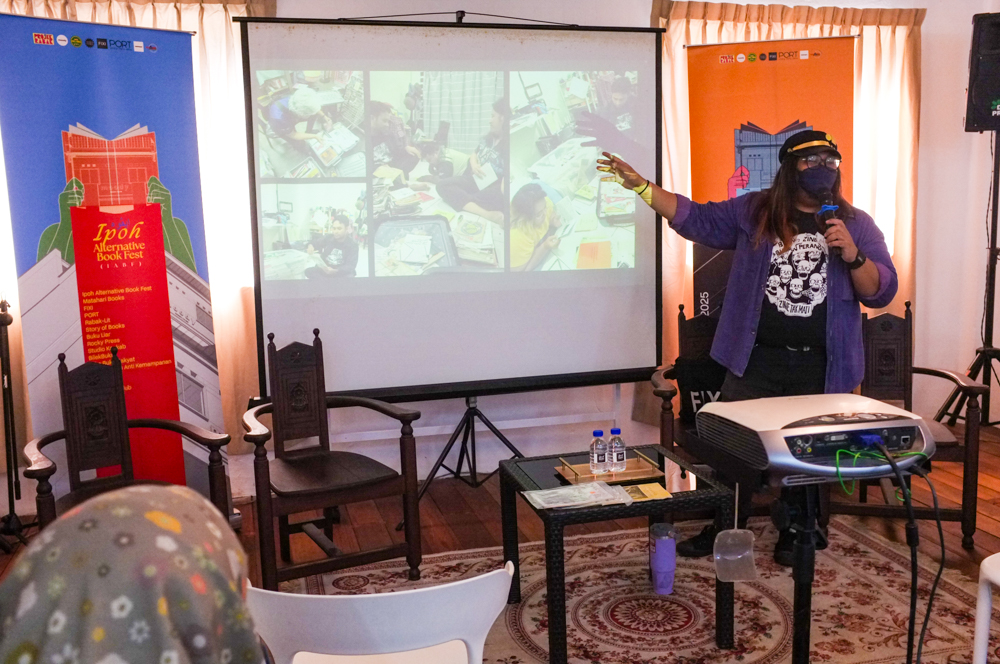
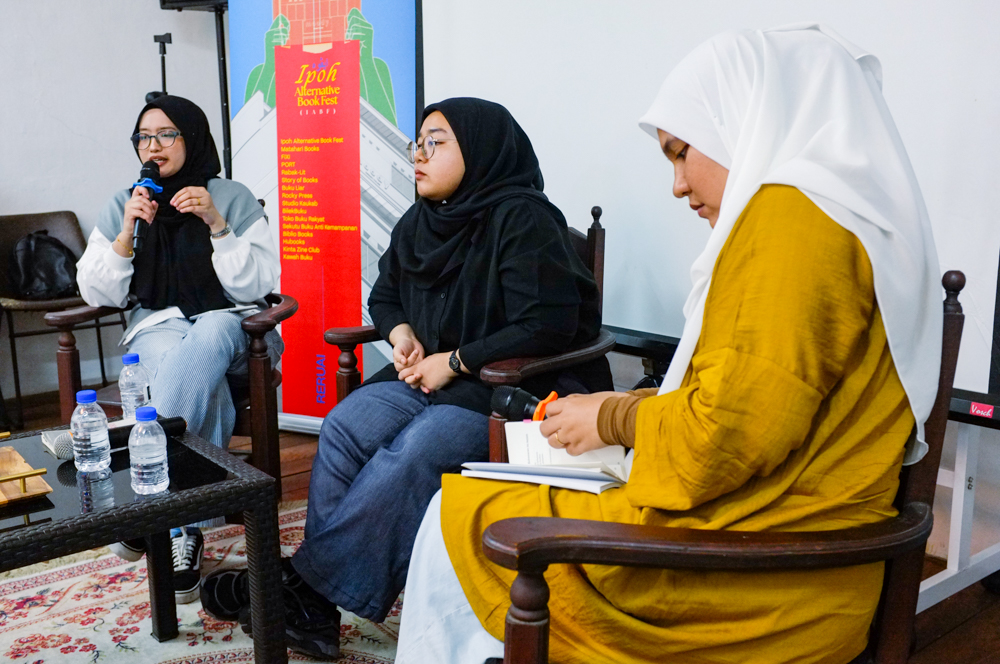
Seksi Ovari (Sexy Ovary), an anthology of poems by Fazleena Hishamuddin that shocked the literary scene over a decade ago was examined by three poets, Quratul Ain, Natasha and Wan Syafiqah. Why were we shocked by the anthology? They asked themselves. A few reasons:
- Poetry in Malay is the preserve of the learned and the upper class, reserved for fine words. Poetry is for compliments, for lionising, for contemplation. When used to discuss the female body and a fucking shit boyfriend, poetry in Malay jars. And that’s the innovative shock value in Seksi Ovari.
- The fetishisation of the female body parts in Asia, and the cultural pressure that comes with privileging and protecting them (think the hair or the hymen) means that discussing the female body as a space is off-limits publicly – depending on the media platform. On a Wattpad or a mobile device, read in discretion, acceptable. In printed books, shocking. But the poets insisted that it’s our body. Our voice. Why can we not read about it from another woman? And why ban a book that speaks up for women?

When used to discuss the female body and a shit boyfriend, poetry in Malay jars.
Monsters have a place in our psyche
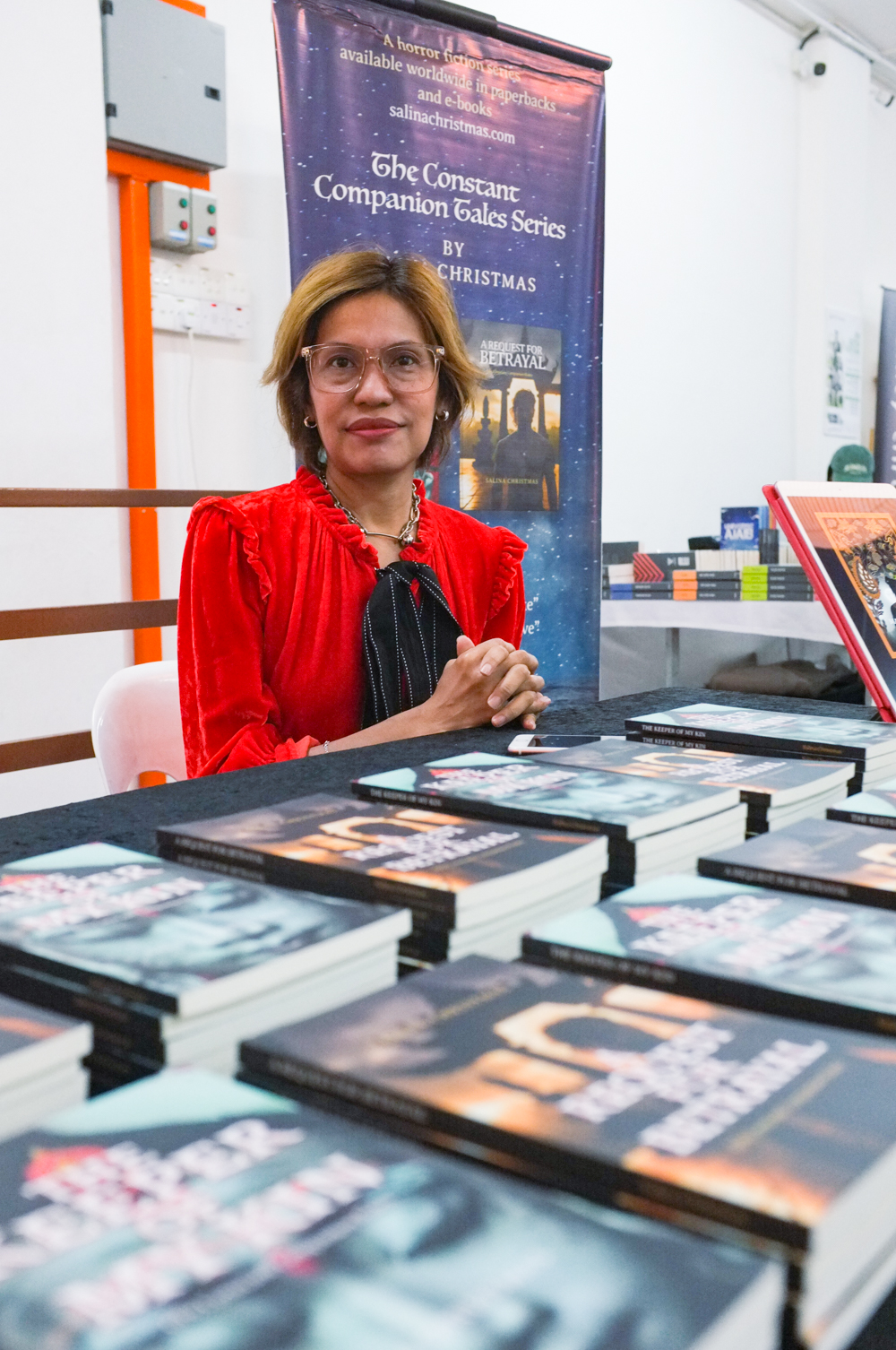
The Editor of Story Of Books talked about our favourite subject: monsters. “Monsters as metaphor: A discussion on grotesque creatures as a device in storytelling” highlighted the importance of the fantasy author to develop the sense of the absurd. It’s a form of play. When we play, we create agency and afford ourselves the possibility to change our reality. With fantasy, we can write about what things we can’t elucidate or can’t change in the real world.
For this Perakian book fest, she paid homage to Tamar Jalis, the famous horror author who came from the same hometown as hers. Tamar Jalis penned the long-running series, A Conversation with the Demon (Bercakap Dengan Jin). He immortalises the Perak’s Hindu-Buddhist history in his tales.
It’s a form of play. When we play, we create agency and afford ourselves the possibility to change our reality.
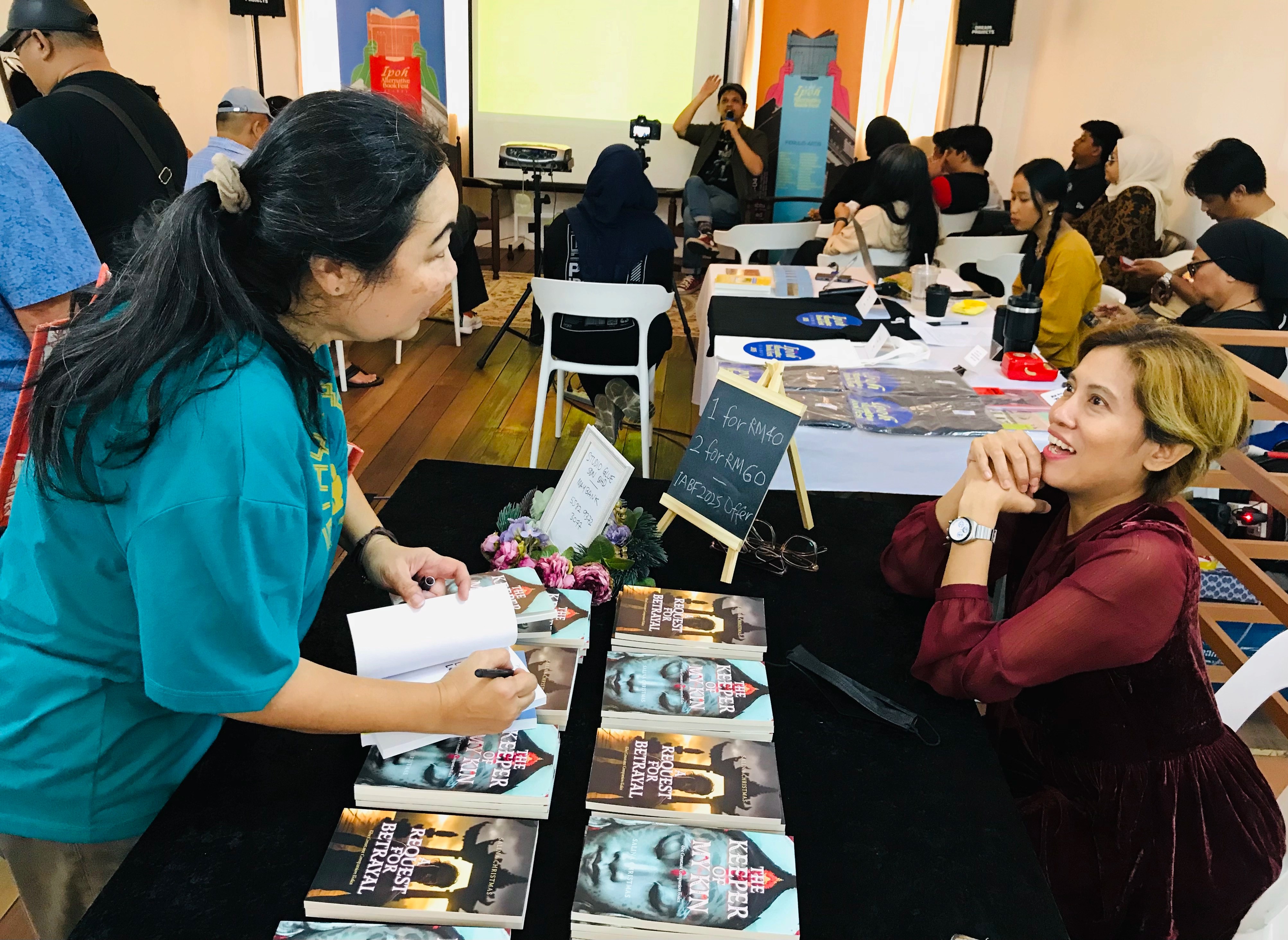
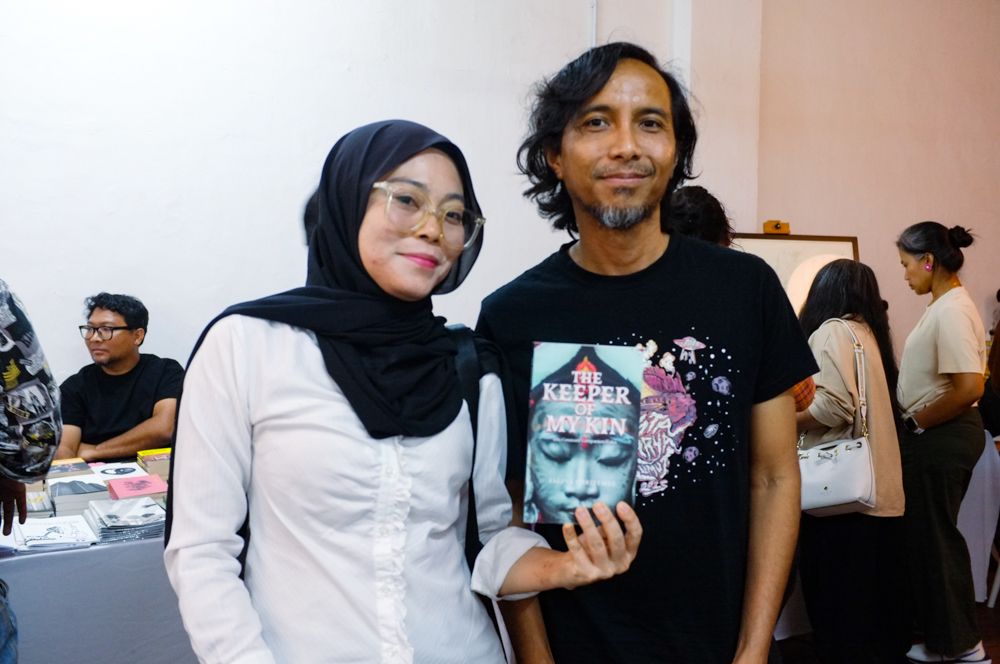
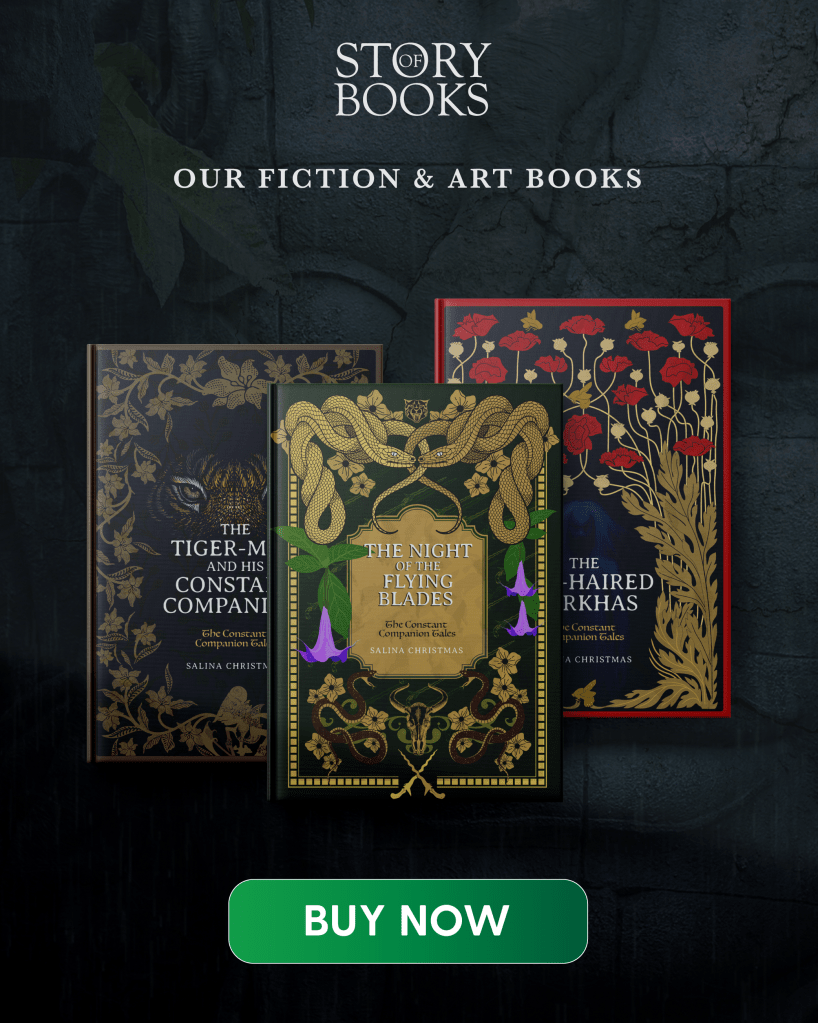
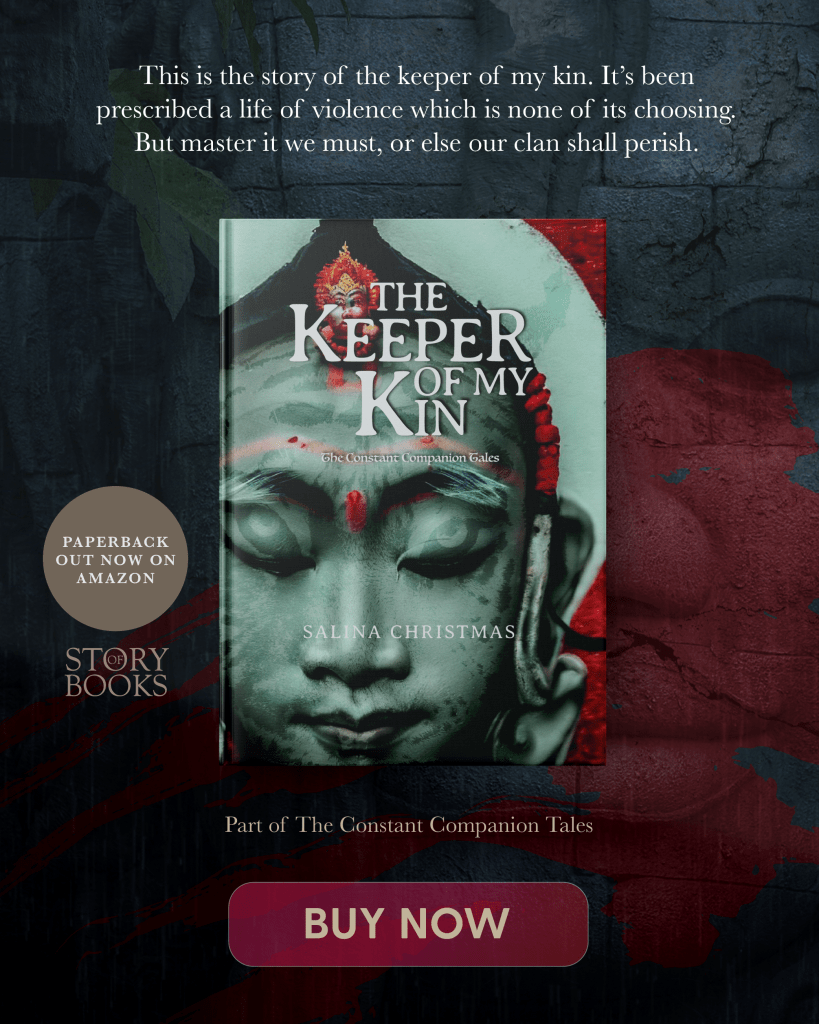
The talk was in conjunction with the release of the paperback The Keeper Of Kin and A Request For Betrayal in Malaysia. It also coincided with the release of Scissors in the Fold: Part Seven of the Constant Companion Tales.
Mahua and the business case for translation
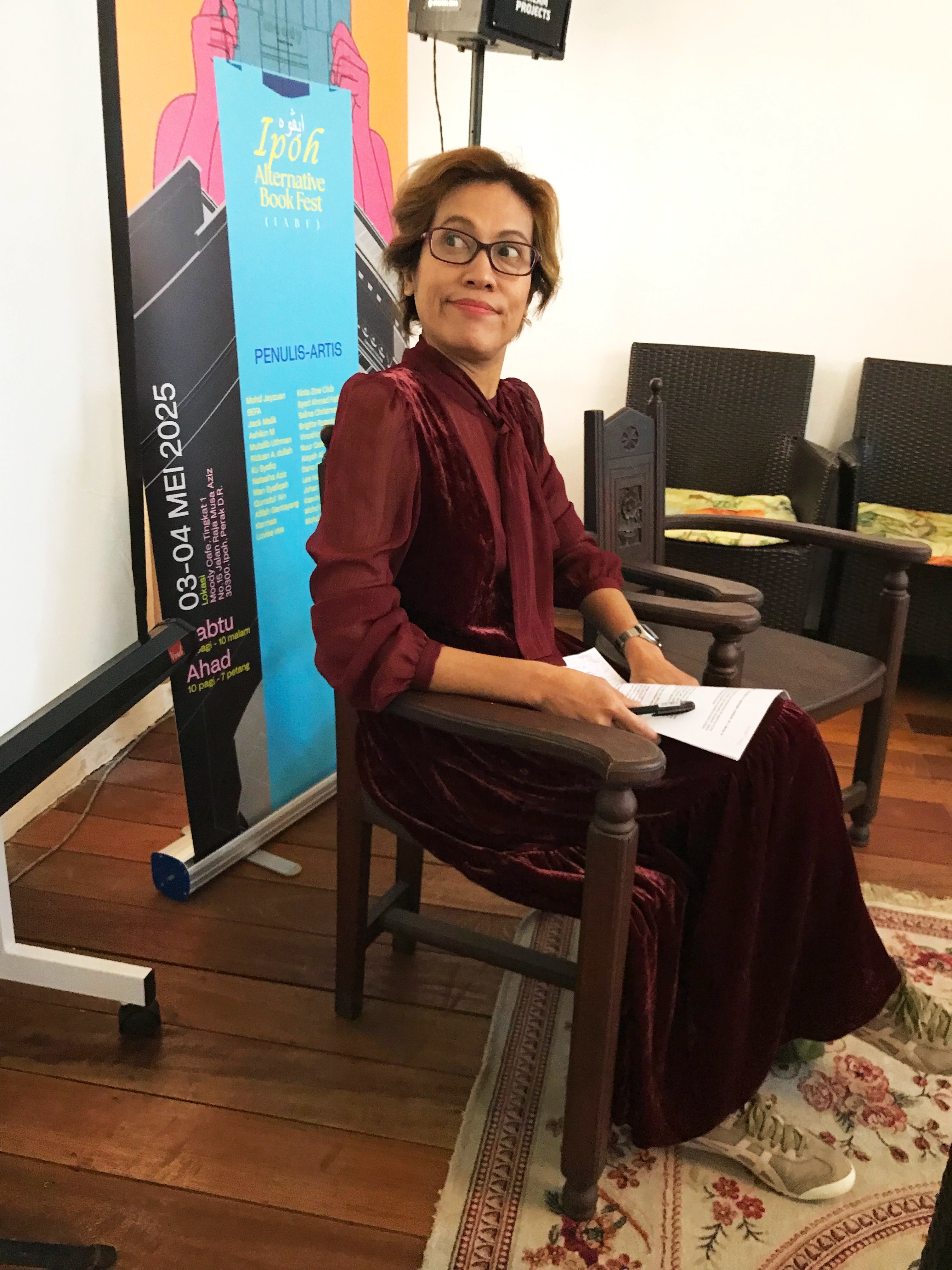
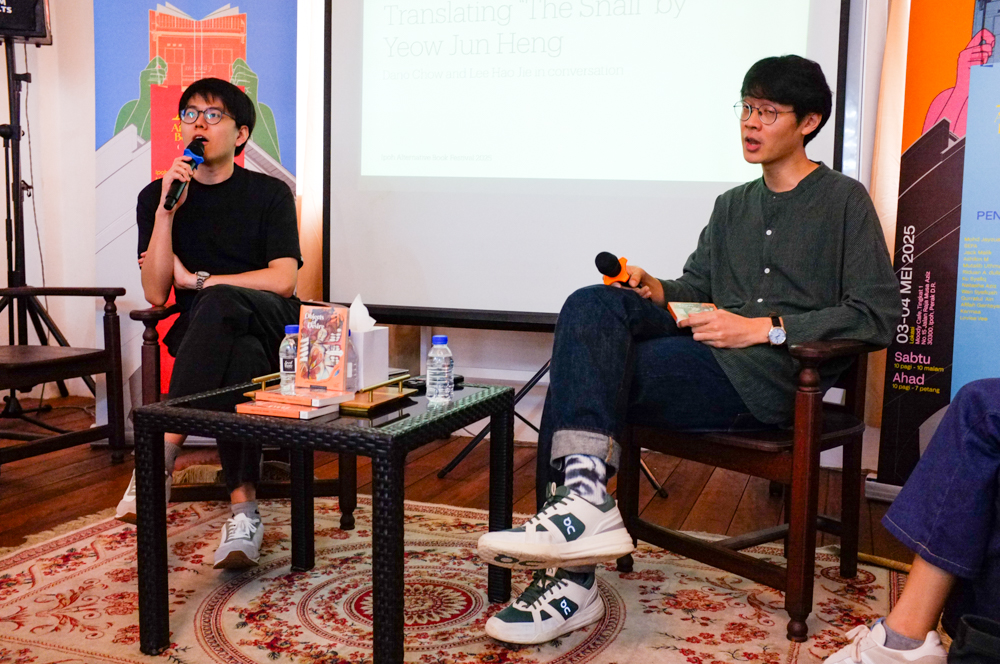
We were excited that Objects of Desire: 10 Malaysian Chinese Short Stories in Translation, the very first of PEN Malaysia’s translated Mahua anthology, was introduced in Ipoh. Ipoh has a large Chinese community and Perakian Chinese have made Malaysia proud with their literary endeavours. Editor Lee Hao Jie and author-translator Dano Chow discussed the short story The Snail by Yeow Jung Heng, who happily is also from Ipoh.
Lee and Chow discussed the two layers of editing: the translation from Mandarin to English, and the contextualising of names and place names into Malaysian Chinese for the Mahua feel. Also discussed: tenses and non-genderised verbs for that ambiguous, non-binary characterisation for that mystery element in first person point of view.
Translating existing works in Mahua means translating works that are already ‘de-risked’ from a publishing point of view.
Lee argued strongly for the case in translation. We also think it’s common sense to translate Mahua into English and Malay, thus expanding the target audience – just as it’s common sense to translate Malay into Chinese and English to scale it up economically. Even better, translating existing works in Mahua means translating works that are already ‘de-risked’ from a publishing point of view: the works have been edited, published, and circulated in retail and book fairs. It makes perfect business sense. So why not make this a policy for business, if not for literature?

Young Adult fiction: more than romance and fantasy
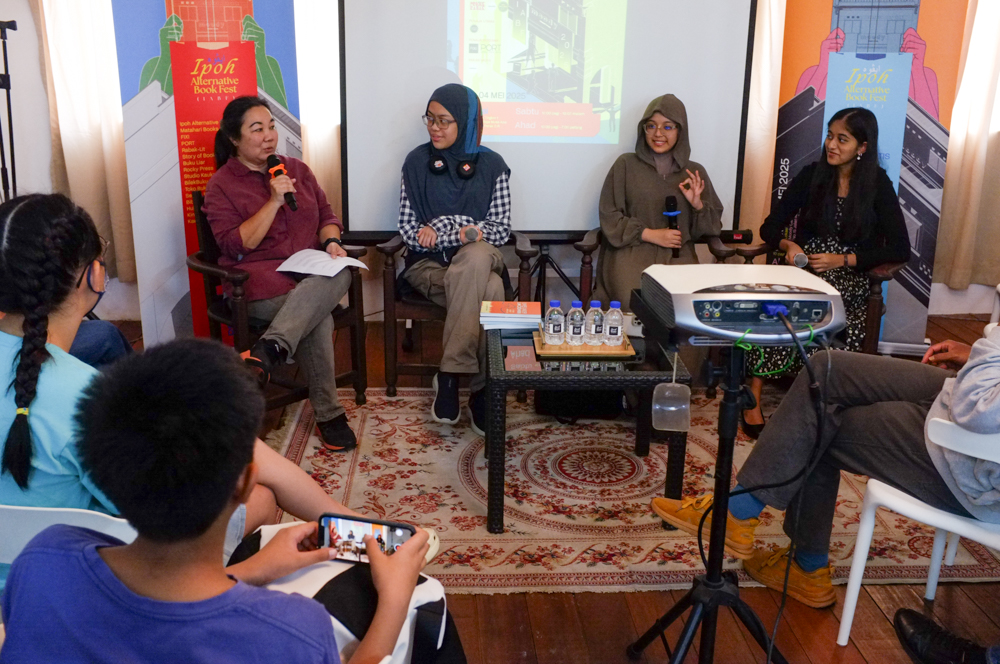
During the talk “The Writing Challenges Faced by Teens”, editor Brigitte Rozario asked a poignant question: how do young authors deal with serious issues that we know afflict them such as mental health (suicide was mentioned). Before that, the discussion centered on self-censorship. It was a fascinating talk because we know that adolescence isn’t necessarily Sweet Valley High. Romance is the genre that book marketers propositioned for this age bracket, and yet young people want to read more than romance. Also, in this period of sexual awakening, boundaries are traversed, social awkwardness happens, and this is the phase where we potentially experience danger for the first time in our life. Authors Vinoshini Pregalathan, Nuur Qistina and Aisyah Al-Jamal gave their opinions, and they sounded wise beyond their years.
Rozario plays a crucial role in mentoring and nurturing young writers’ talent. She also introduced the books Young Writers’ Anthology and Lives Under Lockdown at the event.
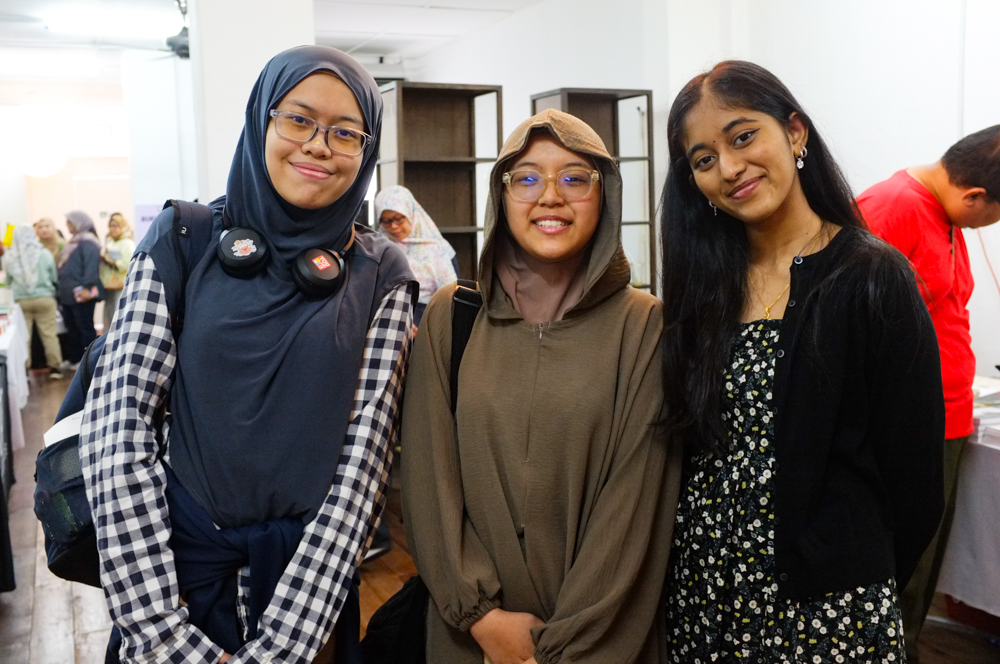
Romance is the genre that book marketers propositioned for this age bracket, and yet young people want to read more than romance.
The problem with democracy
Writer and historian Syed Ahmad Fathi debuted his new book about the challenges of democracy, Demokrasisme, published by Rabak Lit. Fathi hypothesised that Western-style democracy is a hegemony that’s biased towards European values, but at the same time it’s also responsible for the demise of older civilisations. Earlier, during our talk on monsters, Fathi questioned the approach in fictionalising history and the possibility of the distortion of facts. To which we responded: it got you asking this question, so the fantasy has served its purpose.
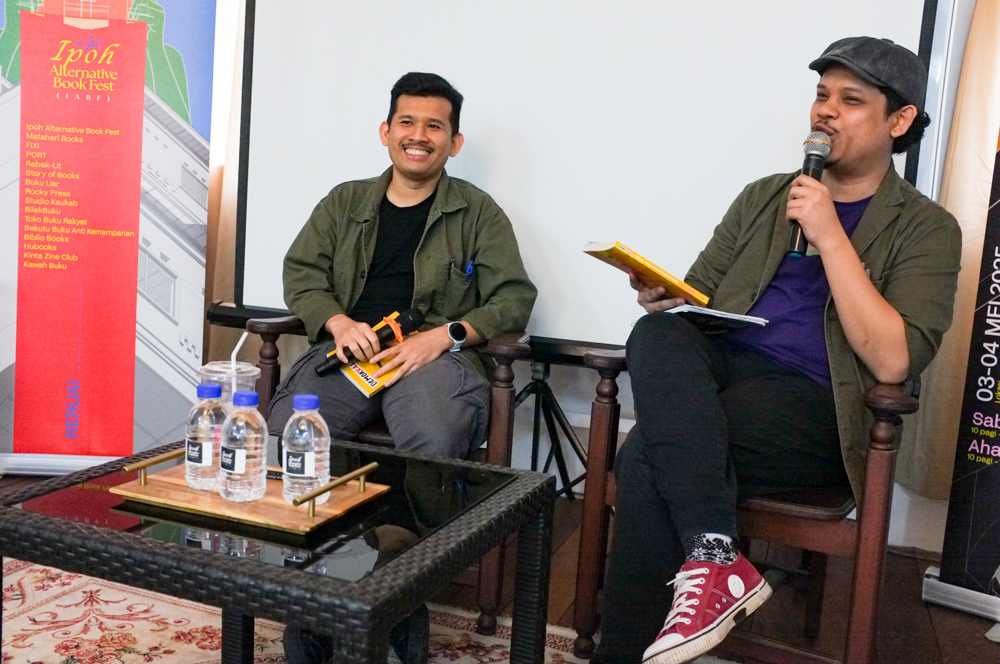
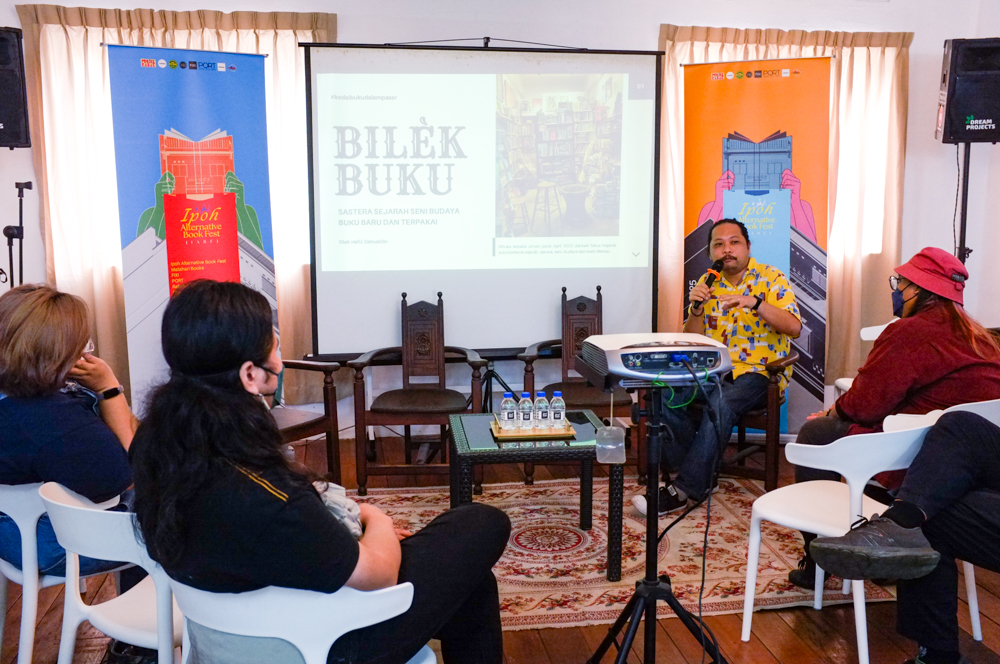
Other talks were by publisher Mutalib Uthman from Buku Liar (Wild Books) and a presentation by indie bookstore Bilek Buku on transforming the Ipoh Big Market into a cultural hub.


Spoken words, lyrical words
What sets book festivals in Malaysia apart from its Western counterparts is the close association with the music industry. It makes sense because the poet, the author and the lyricist are wordsmiths. In the UK, literature and music don’t always go together, except perhaps in musicals.
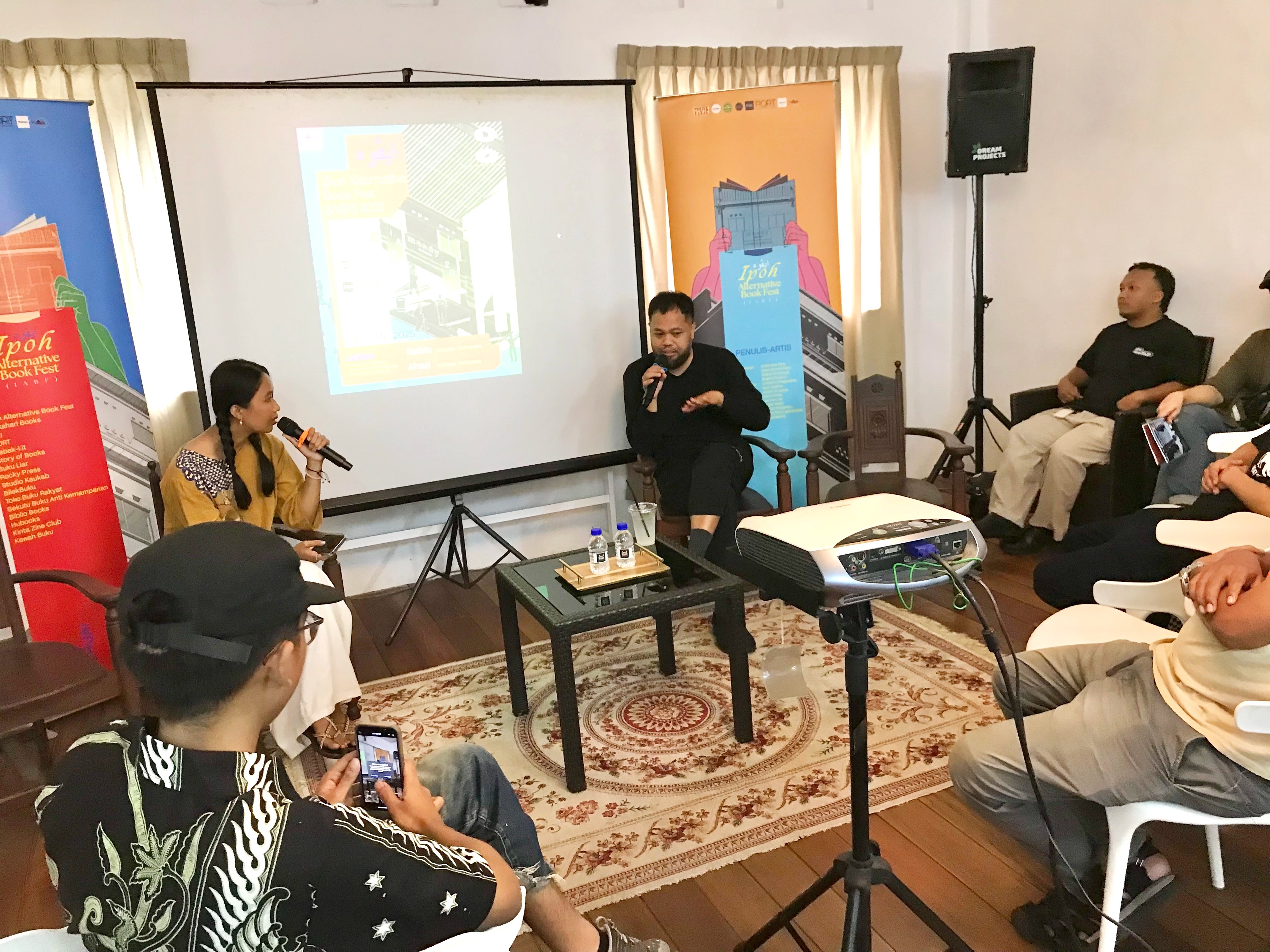
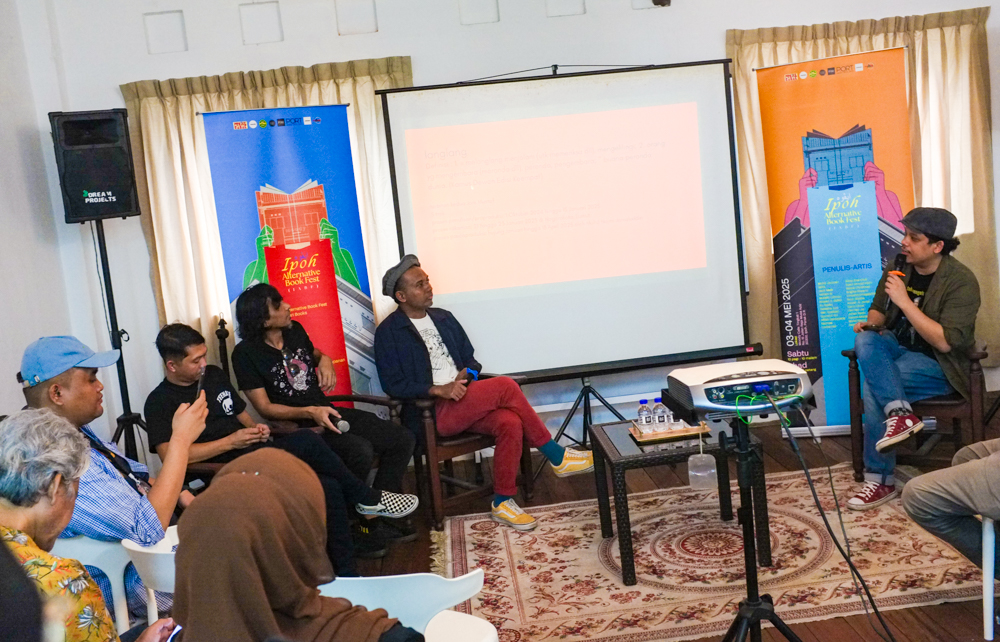
Journalist Ku Muhamad Syafiq led a session discussing the lyrics of experimental sound artist Zulhezan Akta Angkasa and Dirgahayu. He also moderated a listening party segment discussing the work of Joni Mustaf, with Jayzuan and Laman Karya Lumut (LAKAR)’s composers Mohd Najmi and Mohd Hazriq.
What sets book festivals in Malaysia apart from its Western counterparts is the close association with the music industry.
The summoning words of the poets
In the evenings, at the end of every stream of IABF 2025, the poets took over. Jack Malik, Riduan Abdullah, Ashikin M, Natasha Aziz, Wan Syafiqah, Afifah Gentayang, Lovise Vee, Karmaa and Projek Rabak’s co-founder Mohd Riduan presented the audience with the collective’s signature visceral performances that set a clear creative direction of this festival.
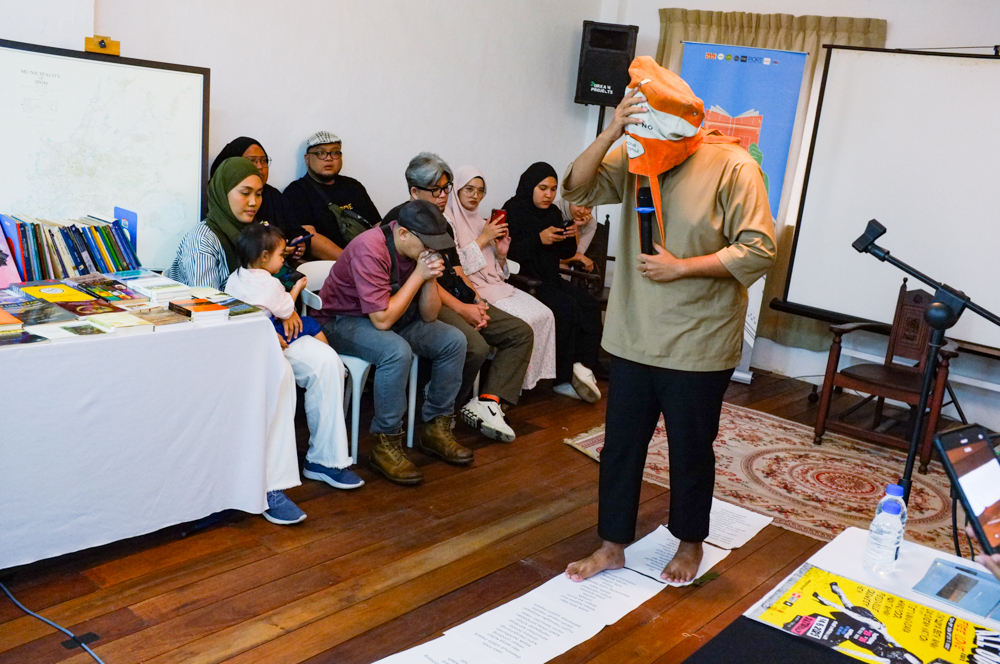
On the first night, Syafiq Effendi Faliq enthralled us with a theatrical wayang dance and poetry recital, Tubuh-Rumah dan Amalan Sebagai Kajian. The poet Karmaa, who recited at the car park in Lumut, drew the audience into his mystical world of incantations and songs.
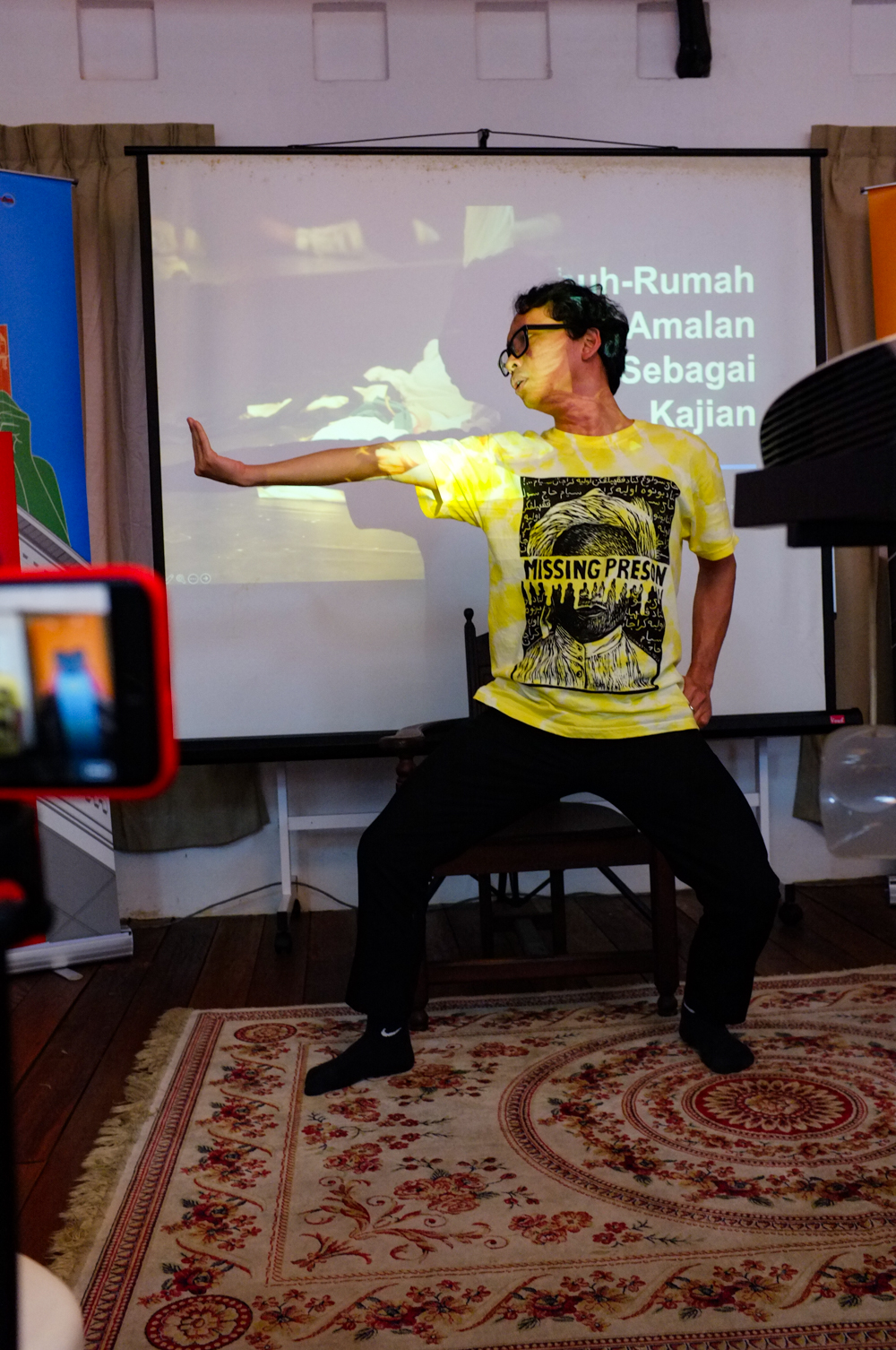
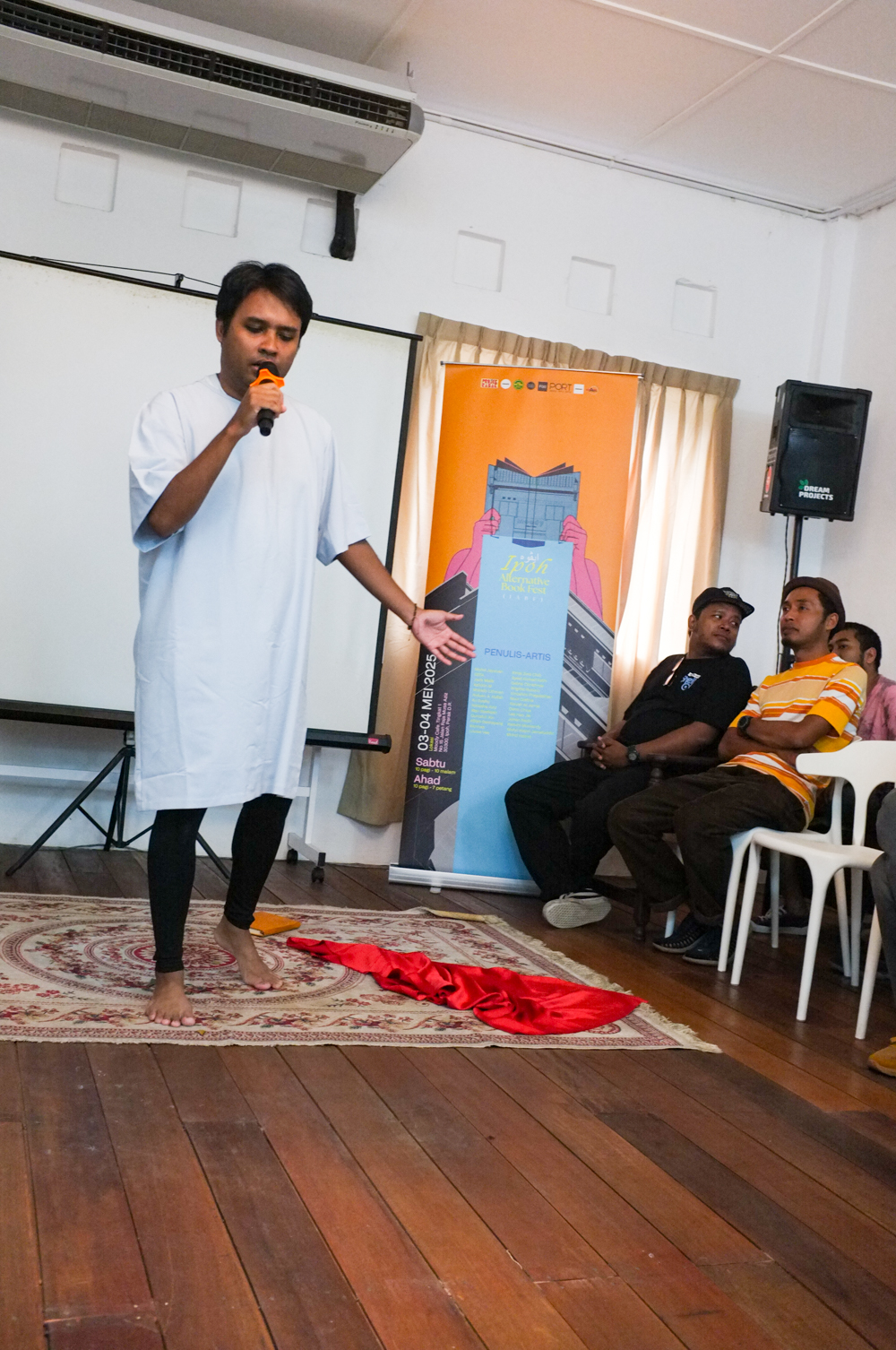
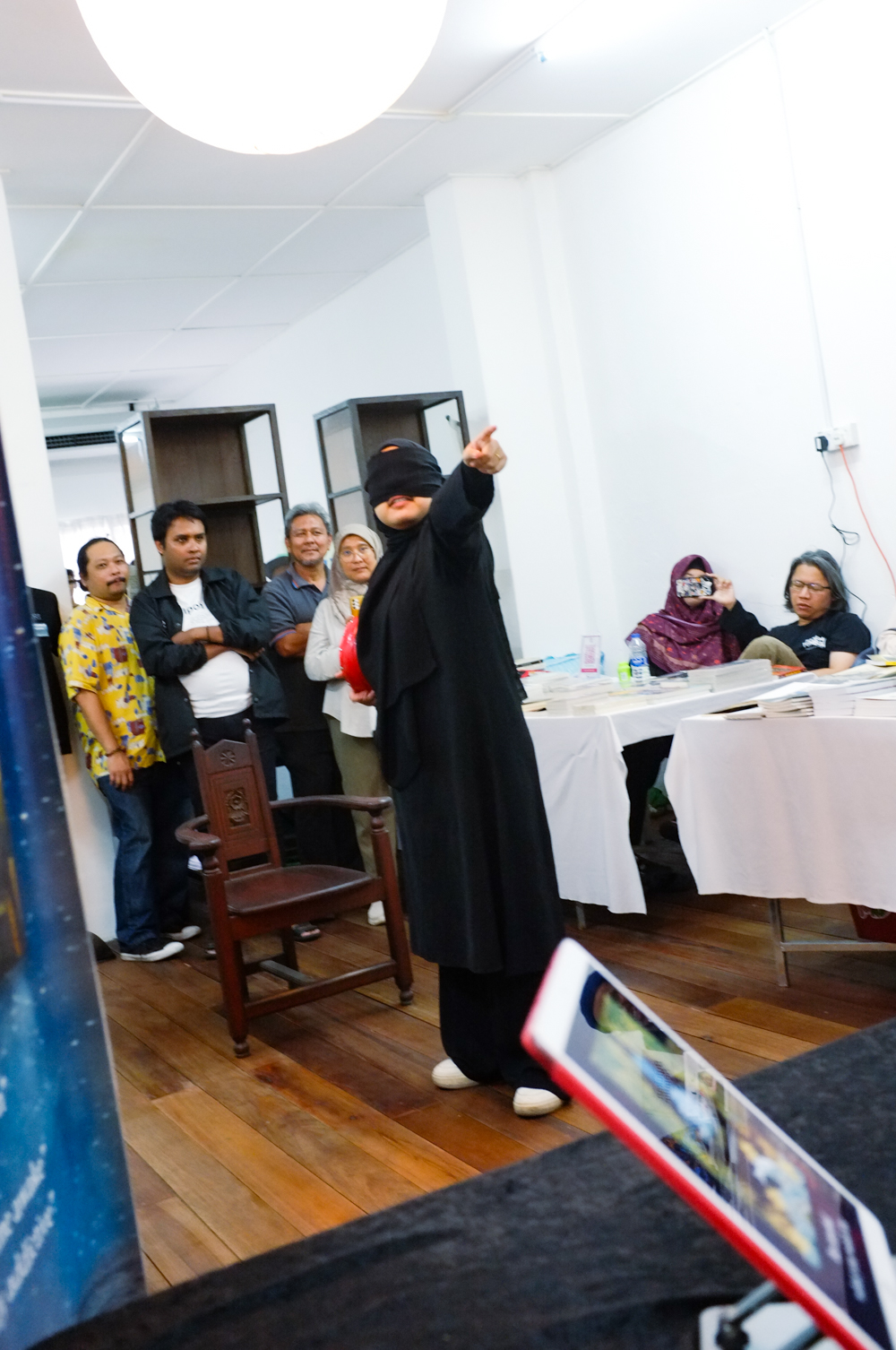
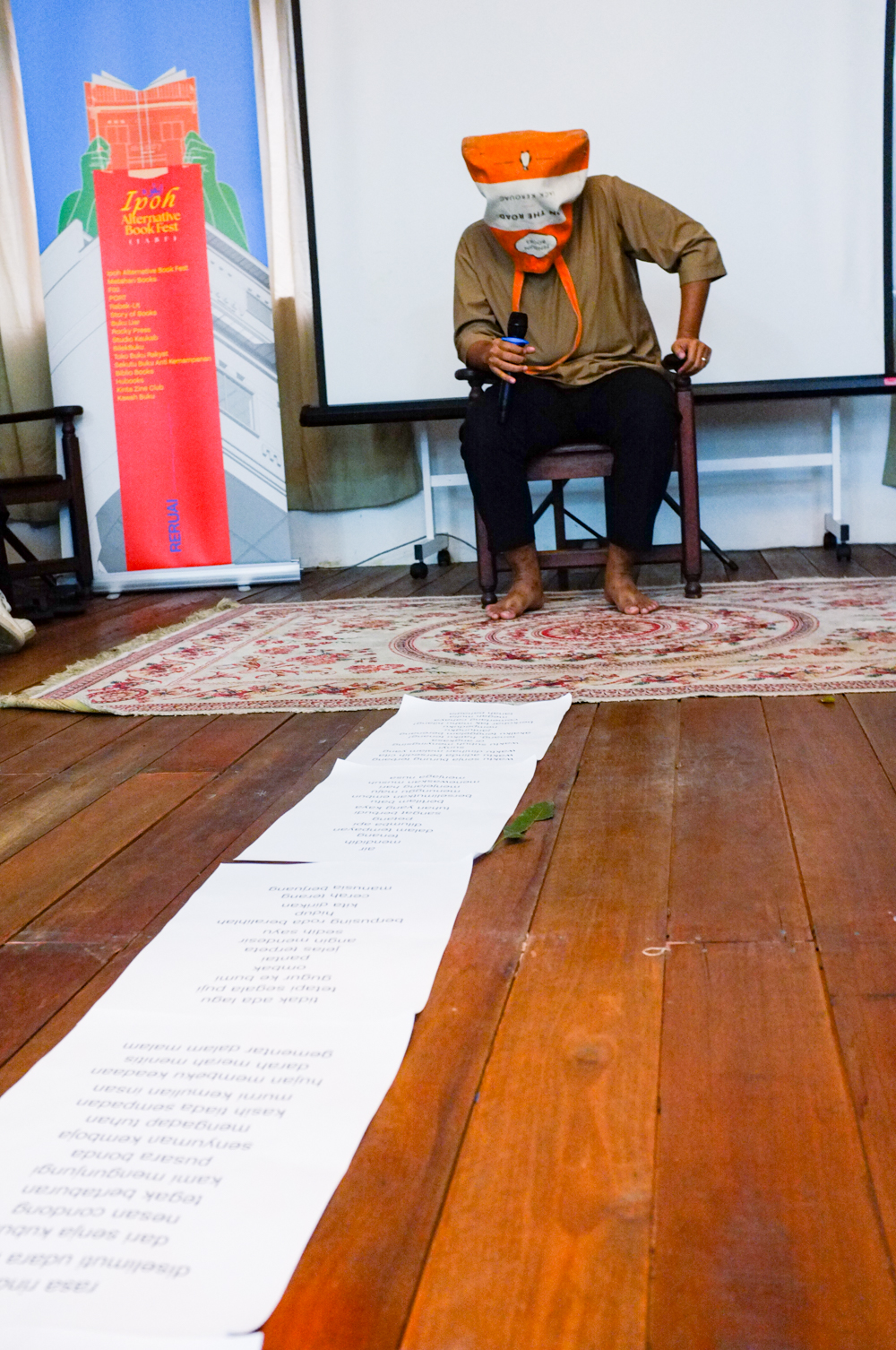
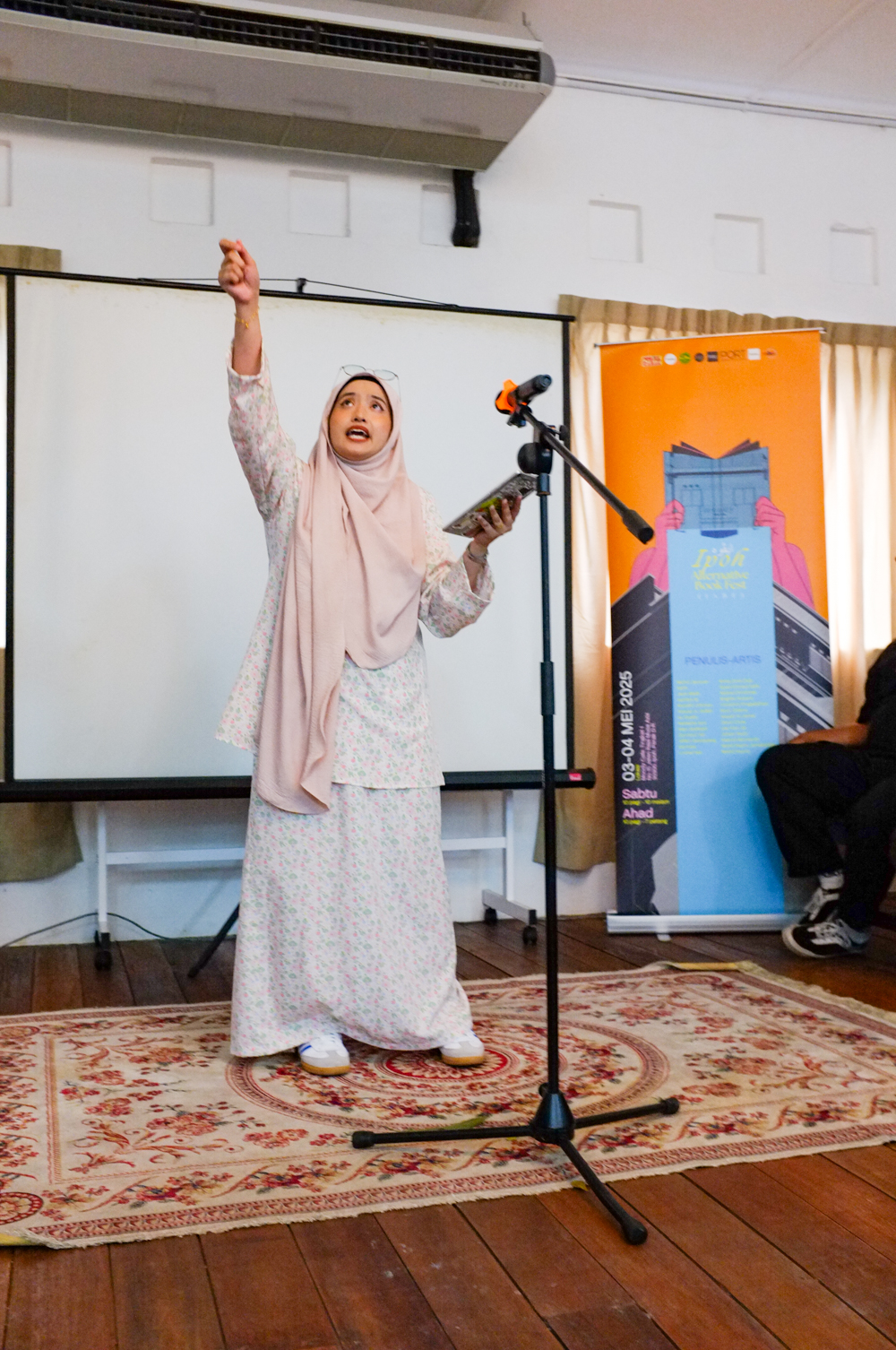
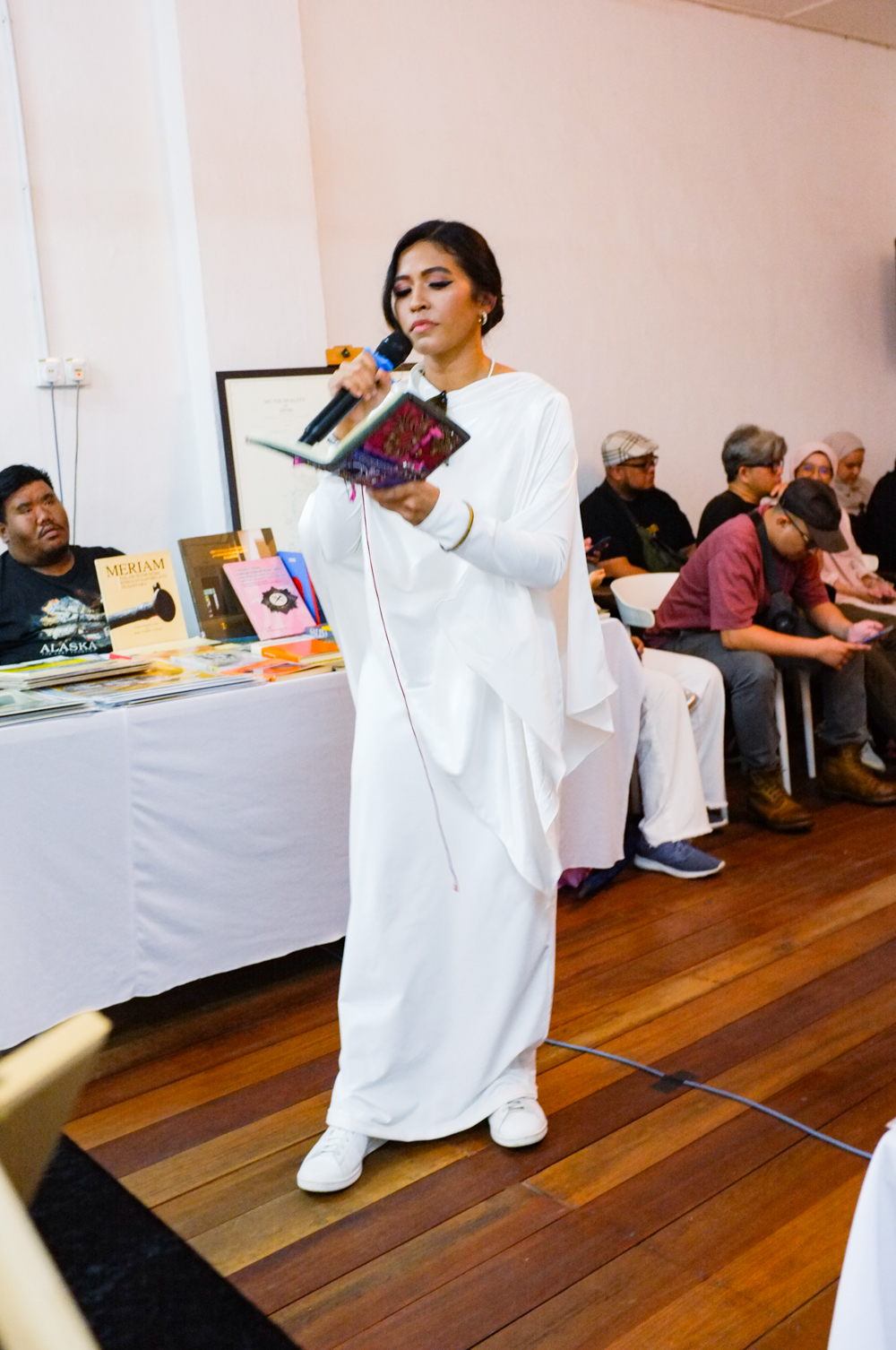

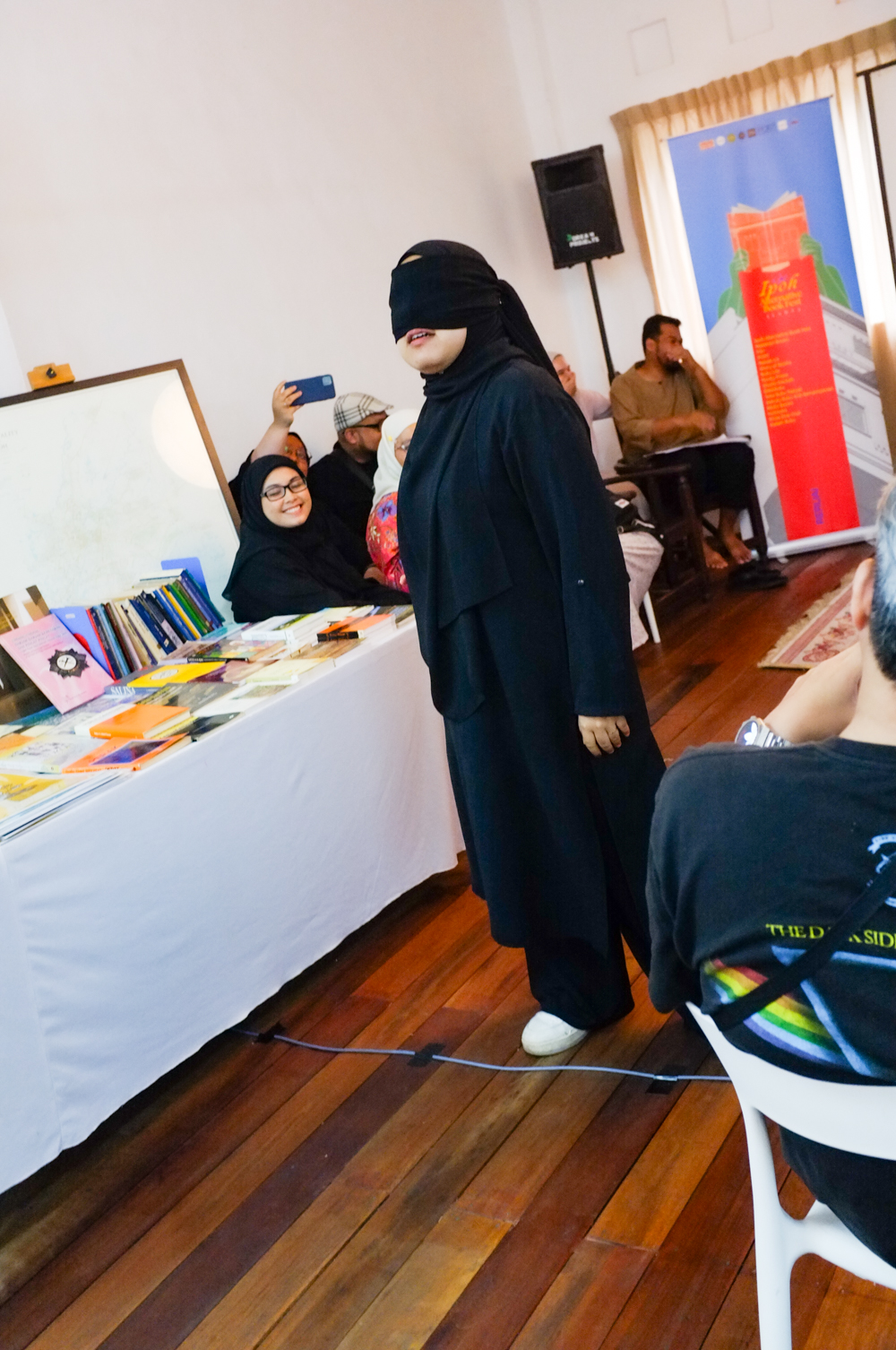
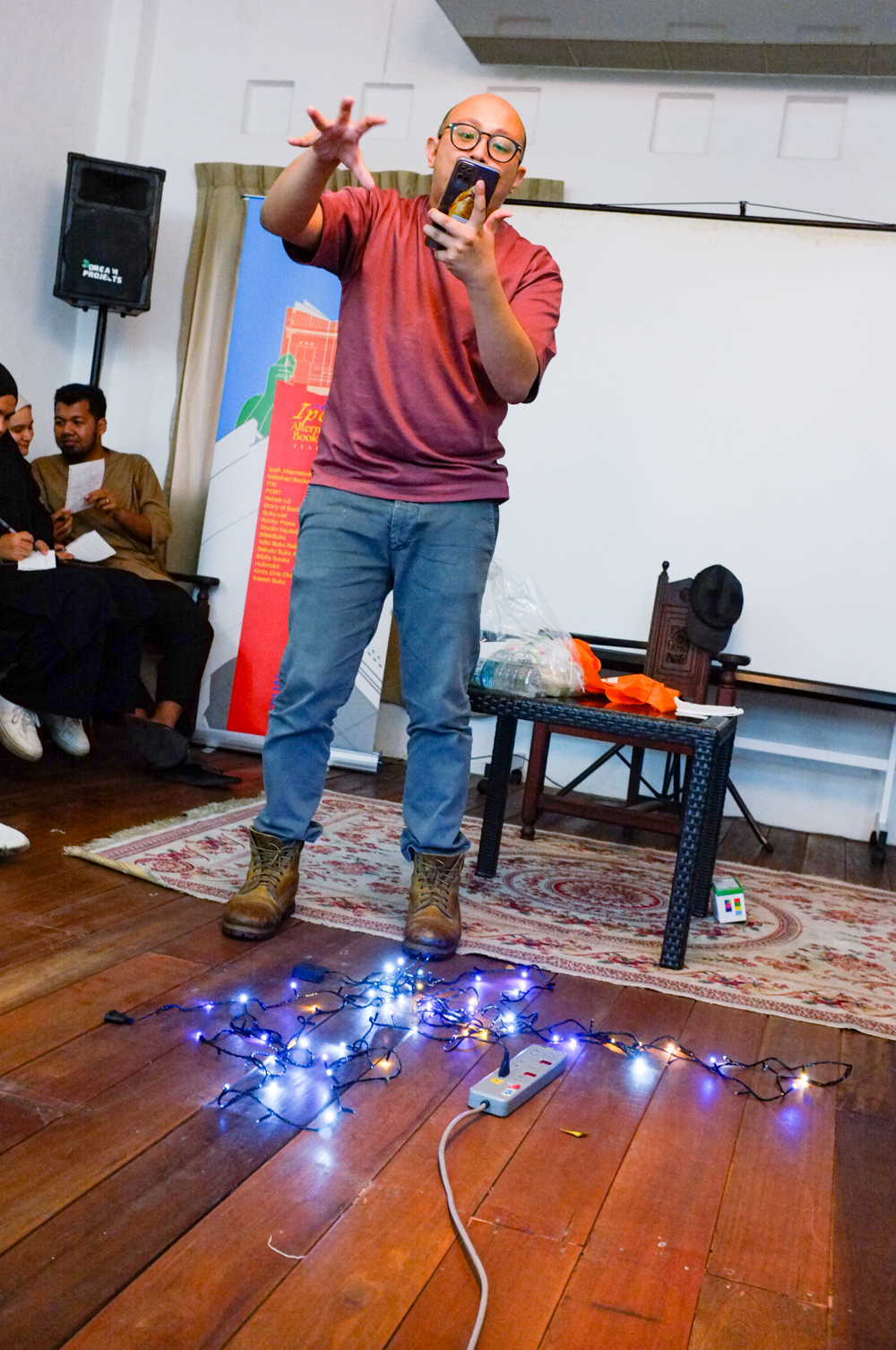
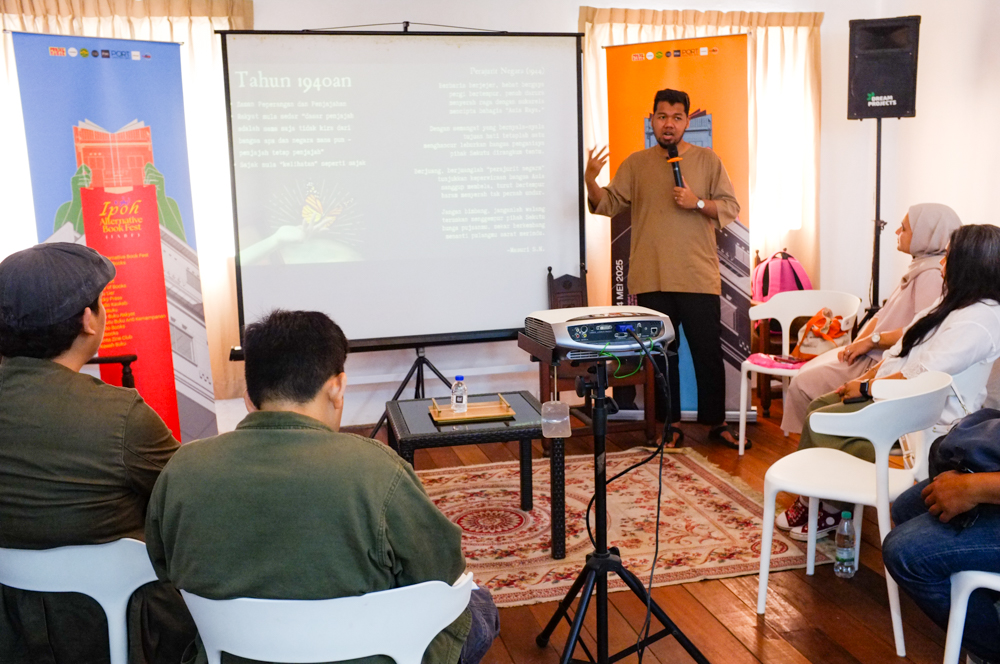
Jack Malik opened the Sunday session with a workshop on the introduction to modern Malay poetry and closed it with a theatrical poetry performance in the evening. In the morning talk, Malik educated the audience on the different eras of Malaysian poetry. He highlighted the fact that the pantun, a traditional Malay poetic form, must include elements of nature.
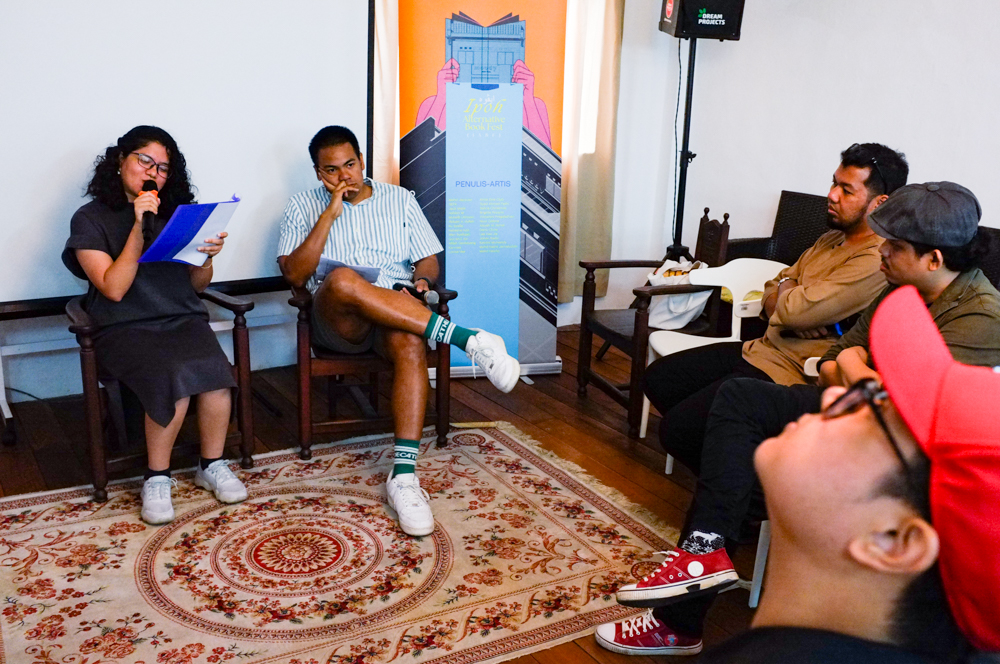
The festival also celebrated 60 years of Shahnon Ahmad’s literary works with readings of his short stories by Johan Radzi and Kasvini Muniandi. The event was drawn to a close by energetic poetry recitals and improvisations by Projek Rabak.
More on IABF 2025



 Story Of Books