
Story of Books journeys East to Asian pop culture capitals; human-made collectibles shine at art fairs; errors – intentional and human – become a hallmark of ingenuity in the age of AI.
We had a whirlwind autumn and winter season, visiting independent book festivals and art fairs in London, Kuala Lumpur and Tokyo to observe emerging trends and art movements shaping today’s storytelling culture. Especially since AI has become a compulsory technology fixture in creative decision-making and production process.
We also had coffees and lunches with media colleagues, preferring face-to-face chats to discuss the media landscape today. Given the intense automation of AI, face-to-face (F2F) experience becomes significant.

Pop culture capitals: A pilgrimage
London, the capital of publishing
Our art festival tour began in October 2025 in London, UK, where we spent pre-Halloween weekend at MCM Comic Con (24-26 October 2025) at ExCeL in the Docklands. London is the capital of book publishing, thus setting the benchmark for editorial and adaptations. There, we listened to book talks and catching up with the artists that we follow. It’s encouraging to see that UK pop culture fans are supporting independent publishers through events such as MCM Comic Con and Thought Bubbles Festival.
You can learn about the latest developments in storytelling trends, presentations and dialogues at MCM Comic Con here.

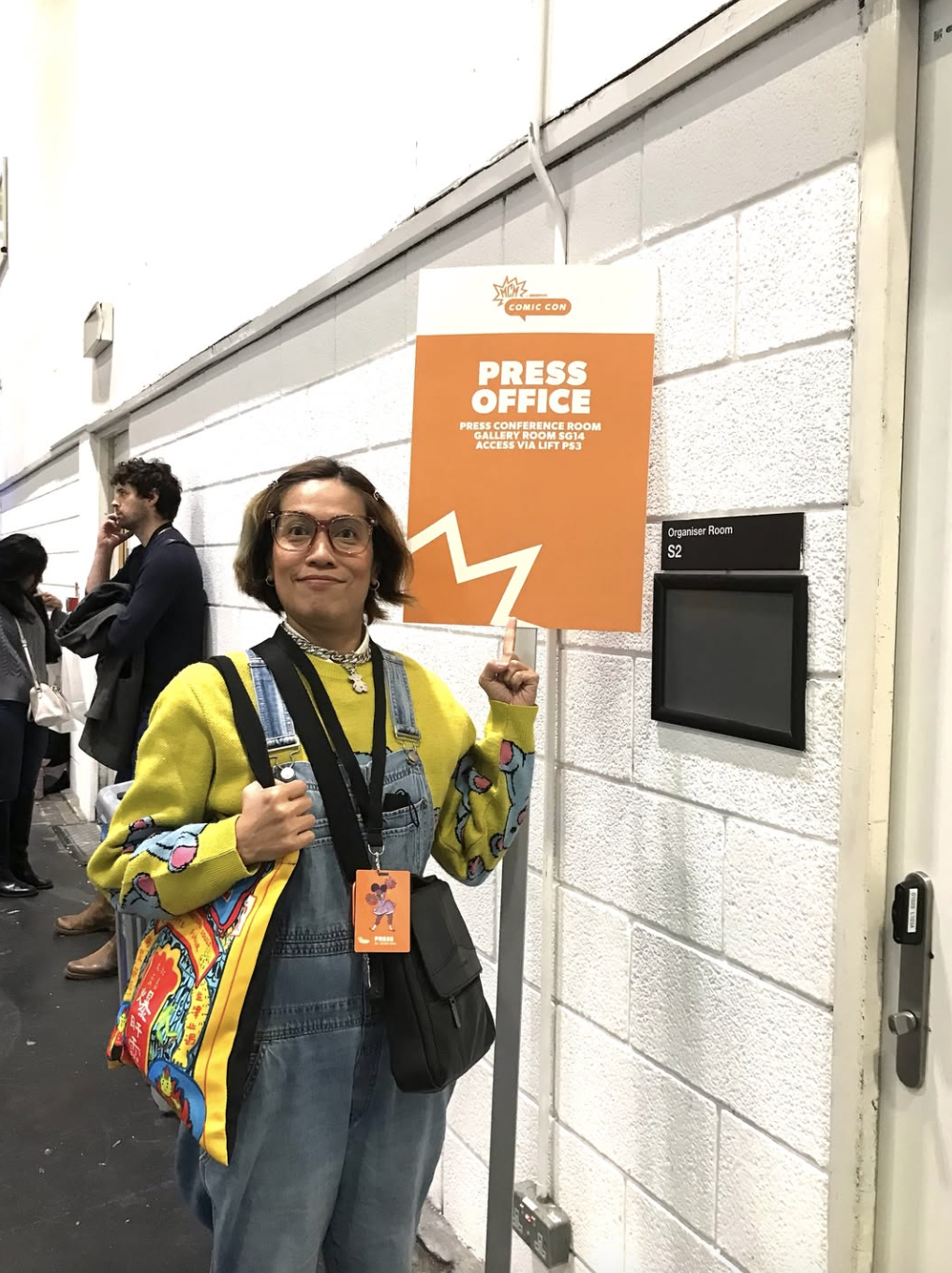
Above: Our work trip to London in autumn; catching up with journalist colleague, Vipul Bhatti, at a bookstore in South Kensington, London. Below: Author Salina Christmas at MCM Comic Con London; Crunchyroll is one of many exciting streaming channels supporting manga publishers at MCM Comic Con London.

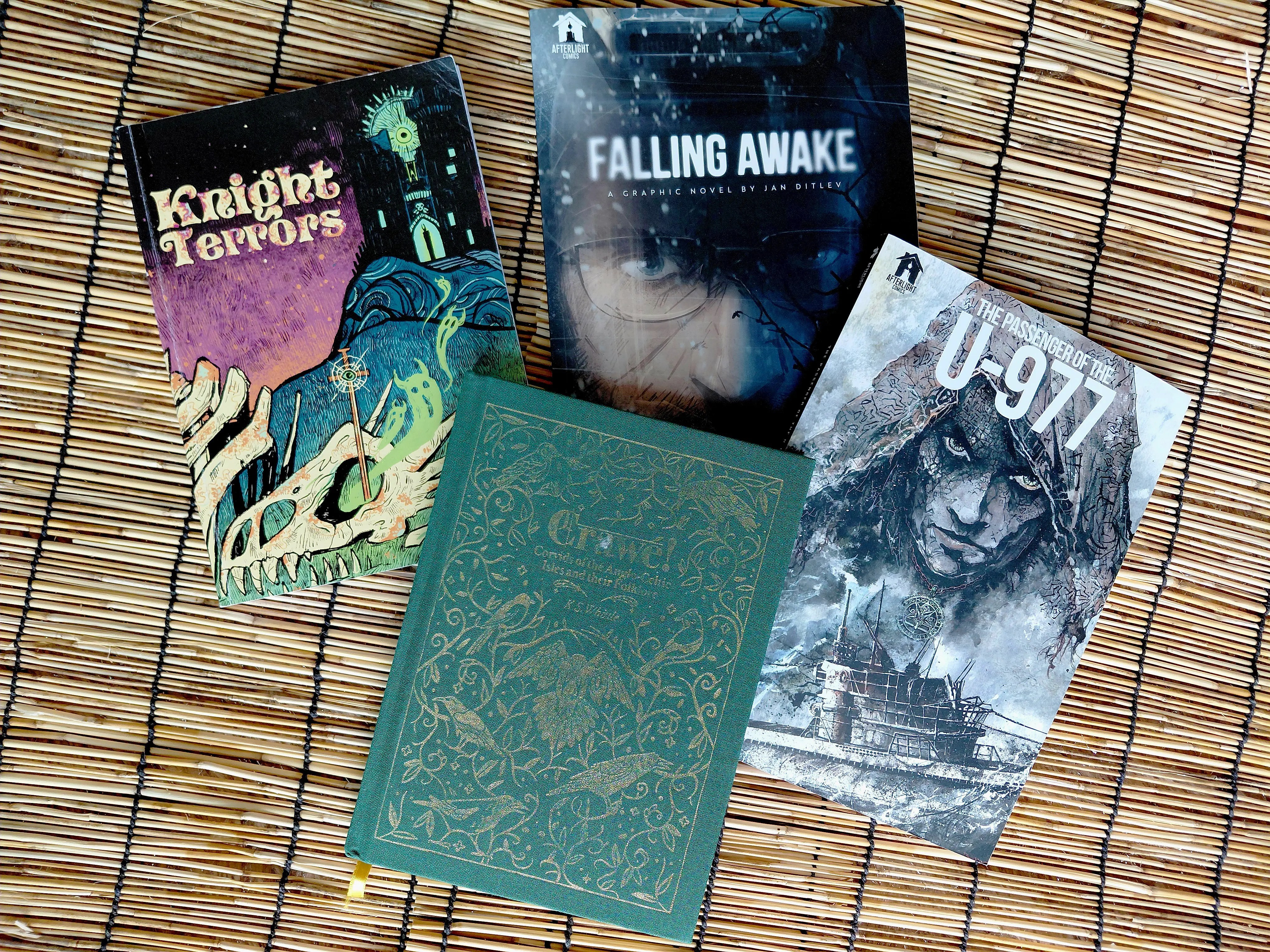
Books from MCM Comic Con London: Knight Terrors by Frisson Comics, Crawe! Corvids of the Anglo-Celtic isles and their Folklore by K.S.Whittle, Afterlight Comics graphic novels, The Passenger of U-977 by Carlos Barocelli & Rodolfo Santullo and Falling Awake by Jan Ditlev.
“Our trips to London, Kuala Lumpur and Tokyo proved that face-to-face interaction is essential for the new experience economy.”
Kuala Lumpur, SE Asia’s pop culture hub
Later in the same month, we returned to our base to catch the Kuala Lumpur Art Book Fair (KLABF, 28-30 November 2025) We met with authors, independent art publishers and illustrators from Southeast Asia and the Asia Pacific. This was the fourth edition of the fair, and the first time we attended it. The event was hosted at the KL and Selangor Chinese Assembly Hall (KLSCAH), a charming heritage building with a view of the Merdeka 118 tower.
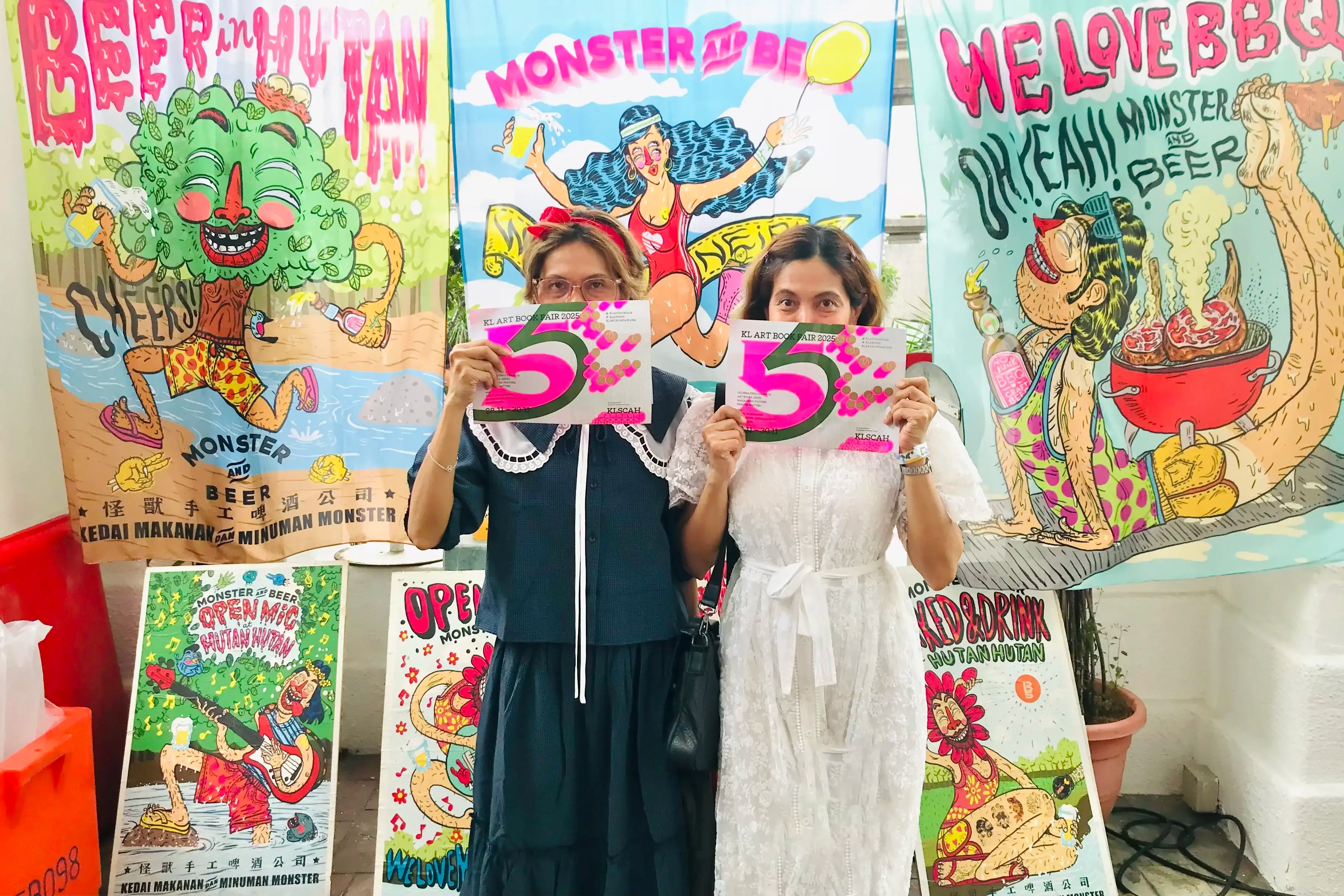
We’re delighted to see Tara Books amongst the exhibitors, an art publishing company from India that we know of since our reporting days in London (see our 2019 article on Frieda Kahlo book published by Tara Books). Kuala Lumpur is smaller compared to London or Tokyo, but the city is organised and logistically convenient for both exhibitors and visitors from the east and the west.
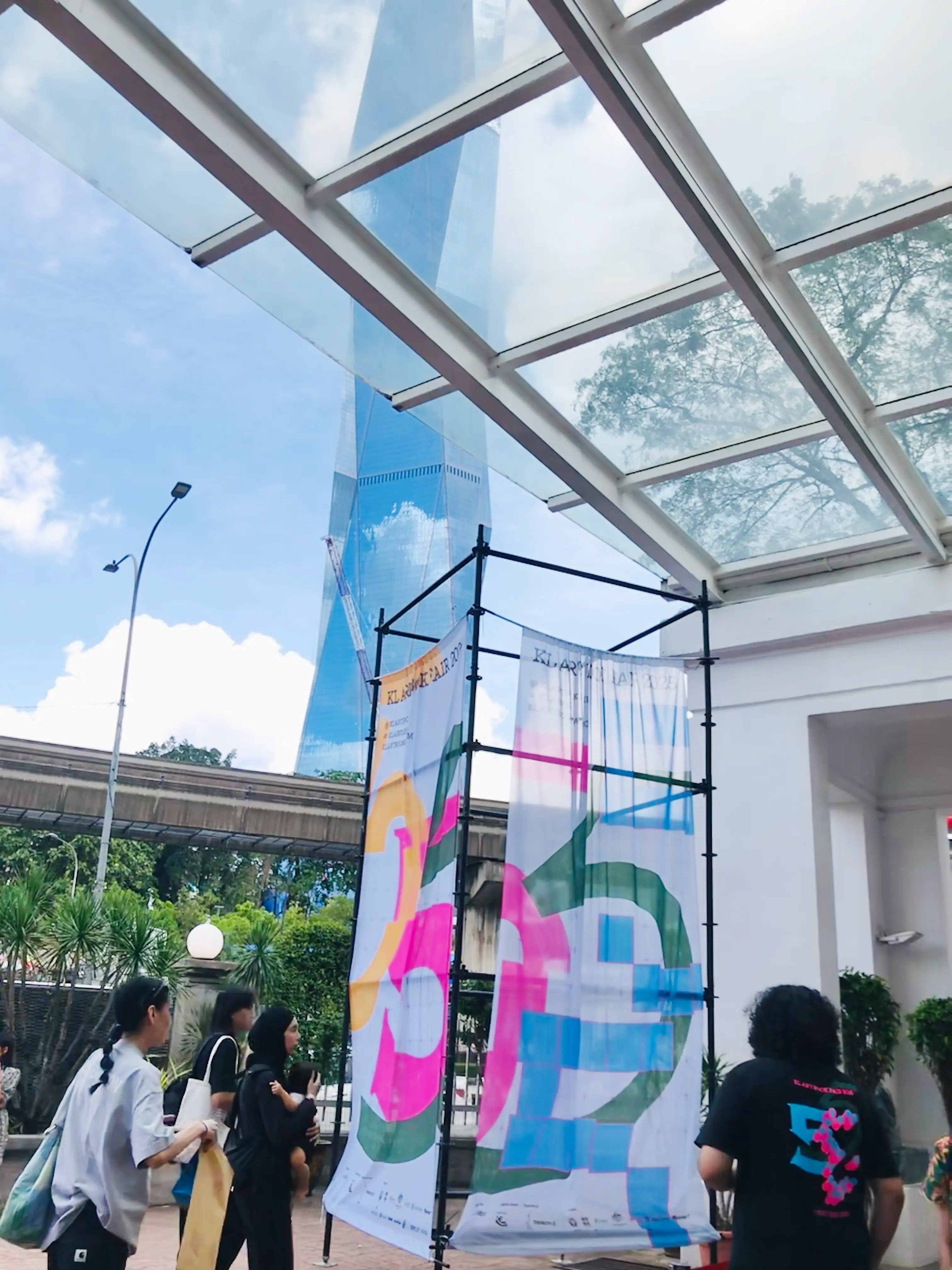
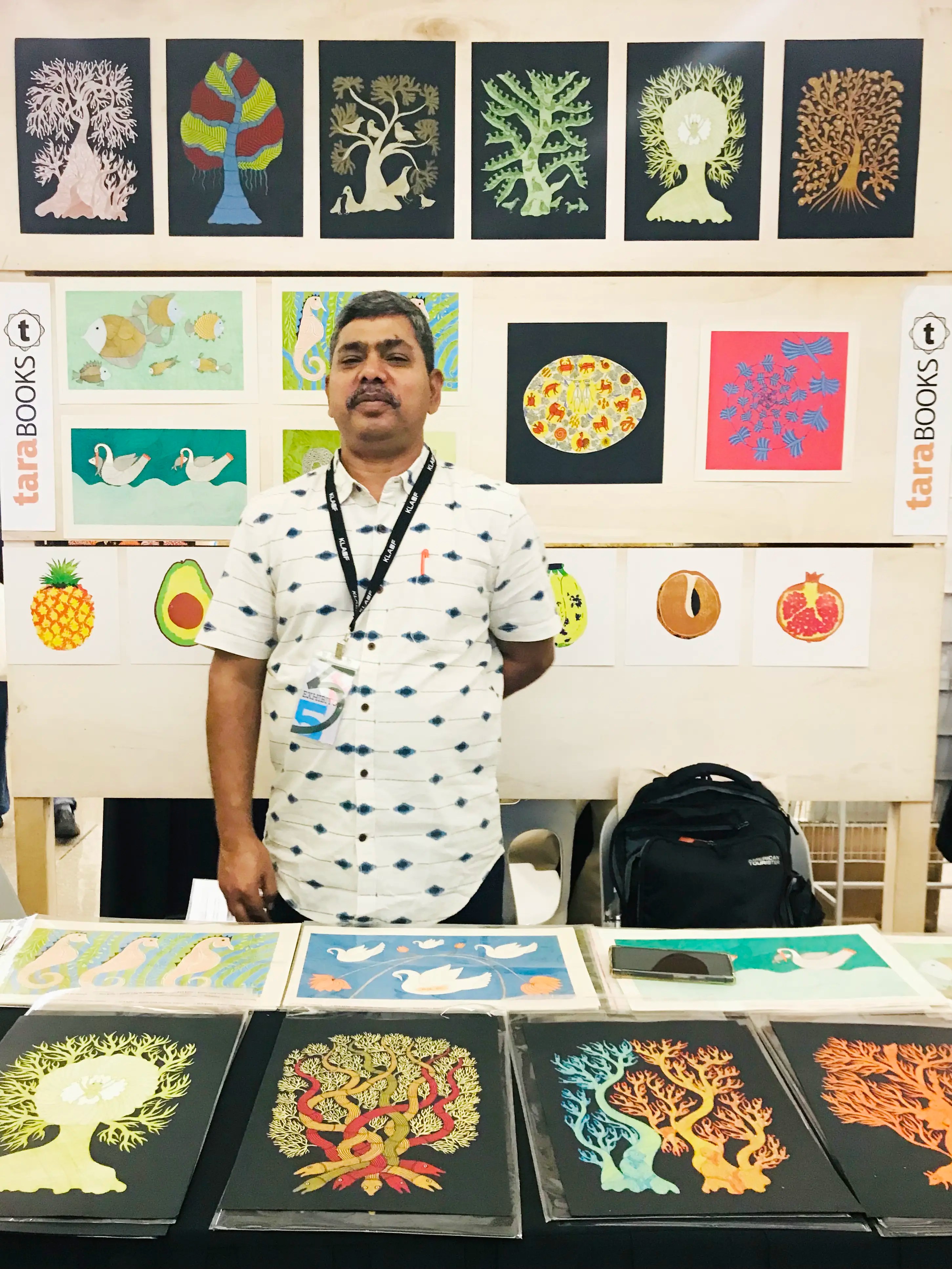
Merdeka 118 tower overlooking Kuala Lumpur Art Book Fair 2025; unique handmade prints and illustrated books at Tara Books (India) booth.
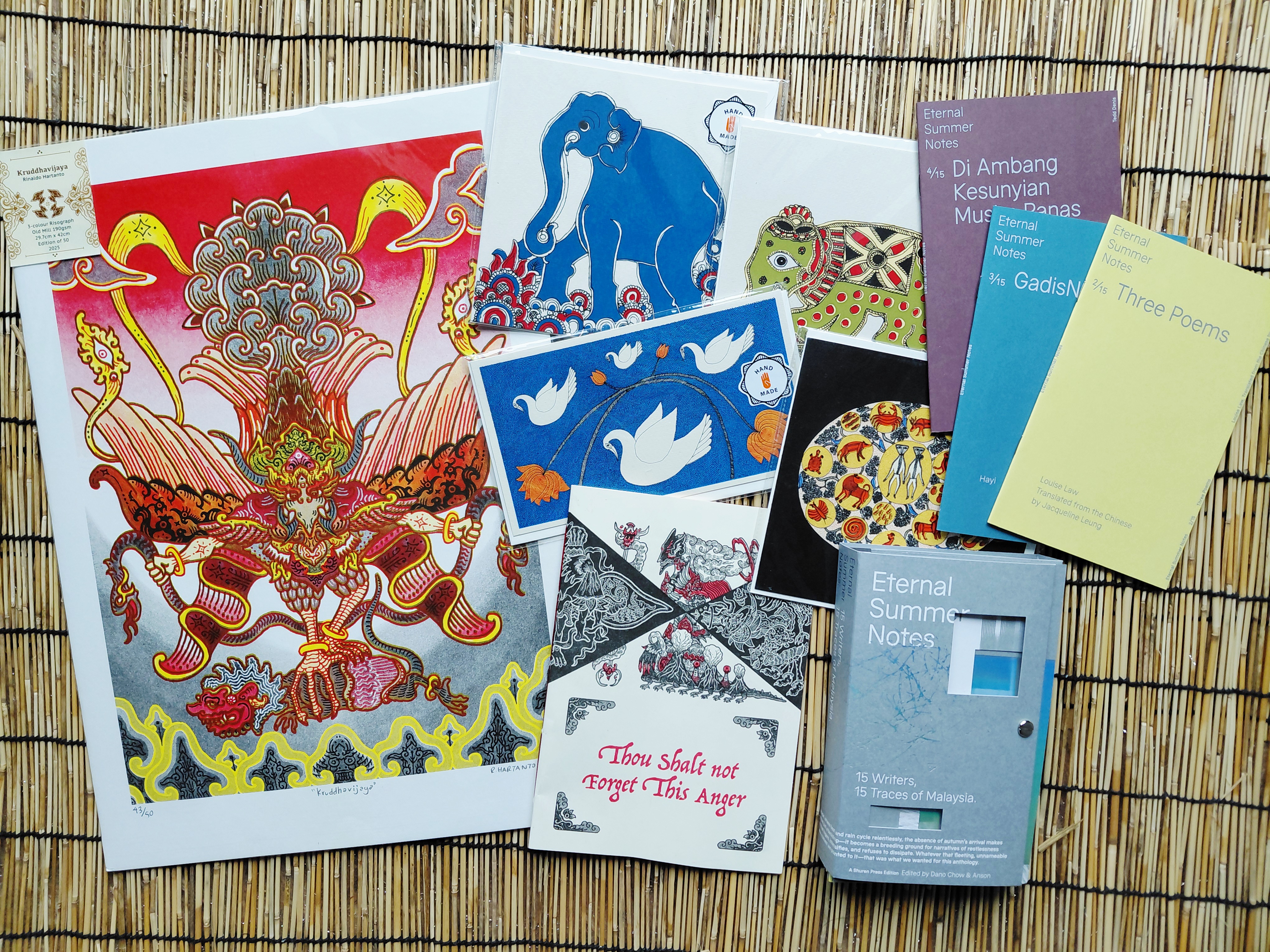
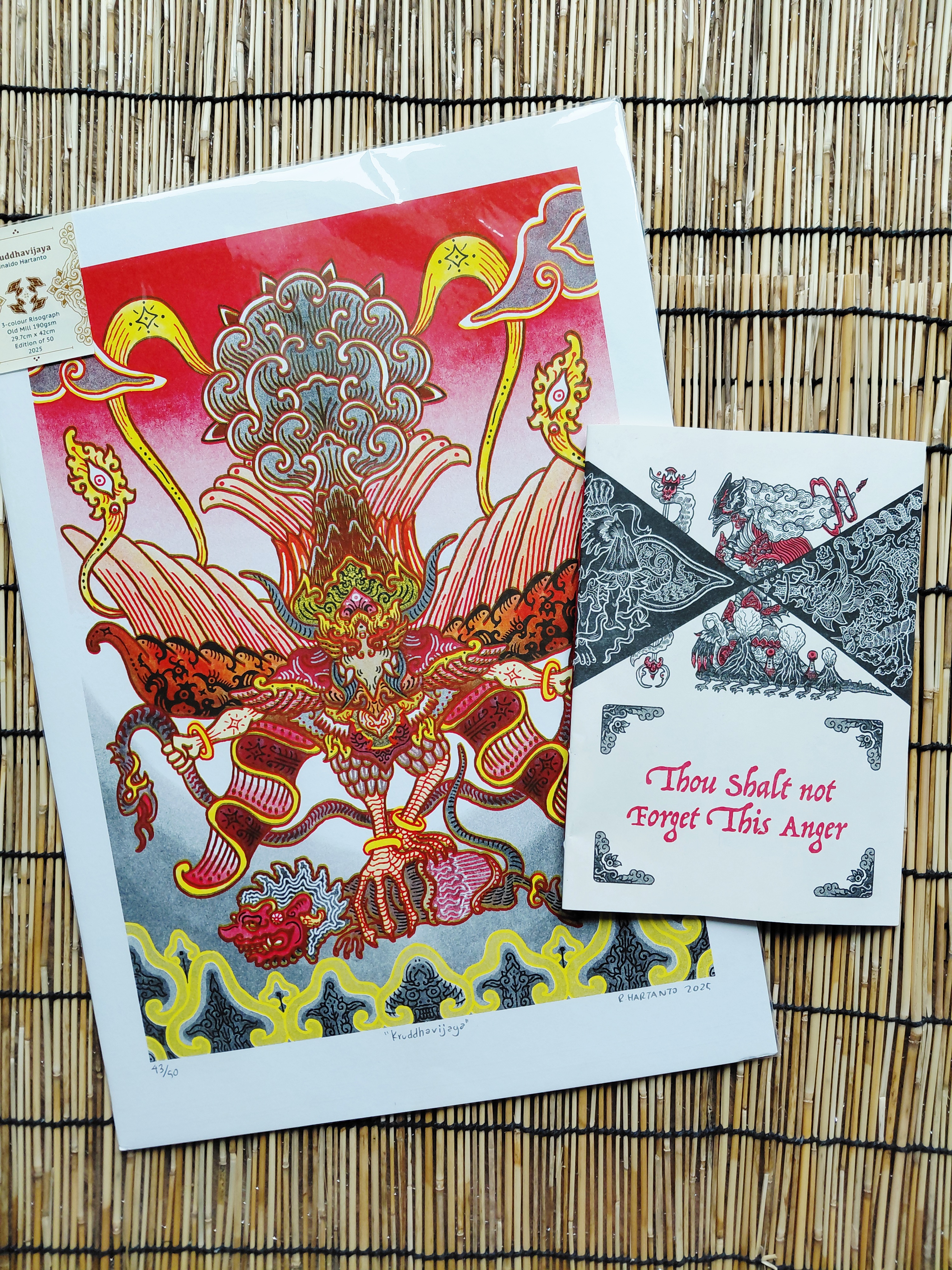
A collection of art prints and books from Kuala Lumpur Art Book Fair 2025: Risograph prints and book by Rinaldo Hartanto (Indonesia), hand made art cards by Tara Books (India) and Eternal Summer Notes anthology by Shuran Press (Malaysia).
We’re satisfied with the books and the prints we collected at KLABF. The only improvement we’d like to see next year is that the vendors are provided with better air conditioning, and a F&B setup that isn’t so exposed to the outdoor heat.
The KLABF is follow-up for a much grander springtime event, the KL Illustration Fair (KLIAF, 1-3 May 2026), where you could discover Asia Pacific’s best illustrator talents who also produce collectible art books. If you’re into art tourism and pop culture in Southeast Asia, we strongly recommend that you follow the illustration events in selected ASEAN cities starting from May till the end of the year.
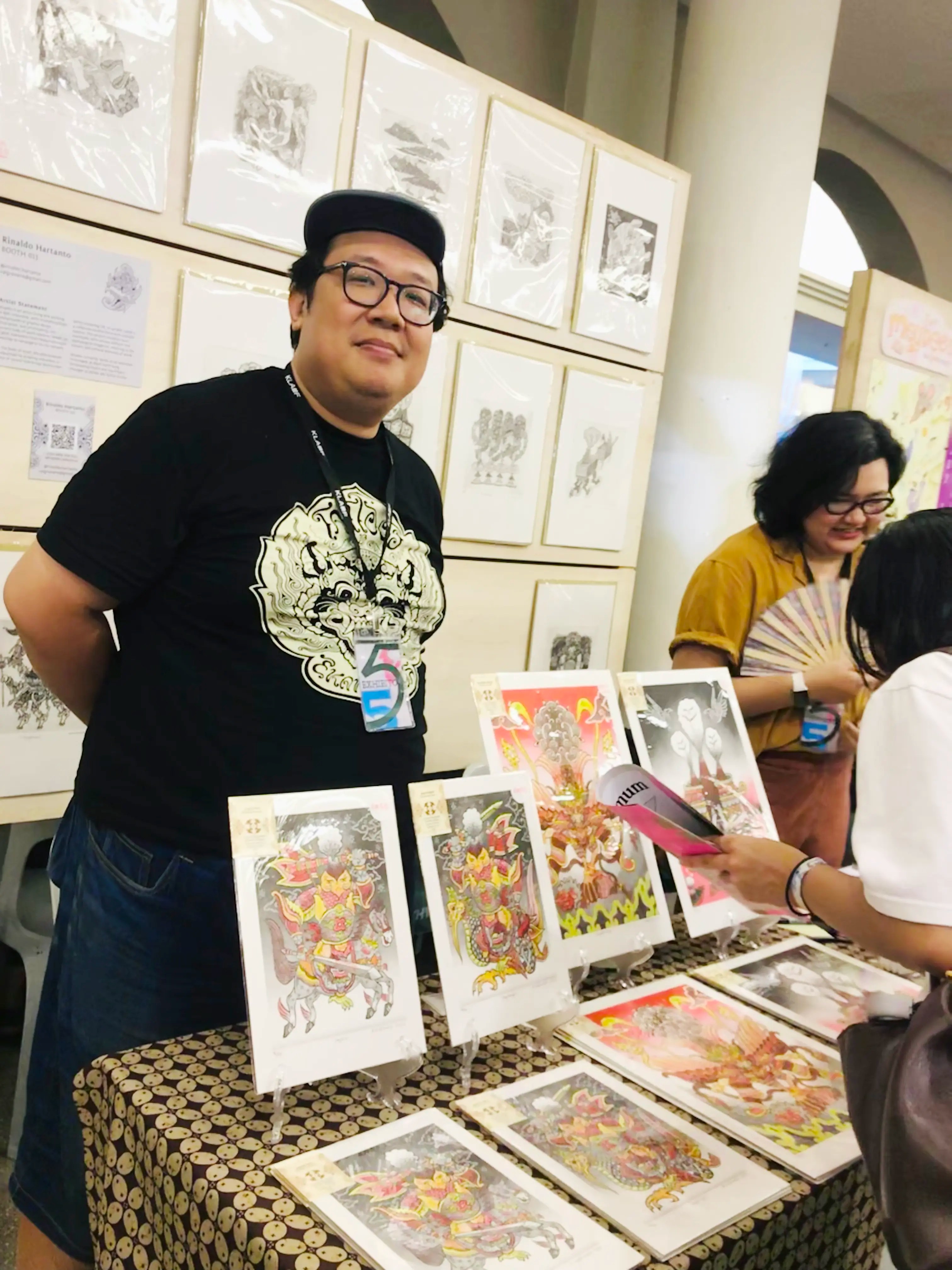
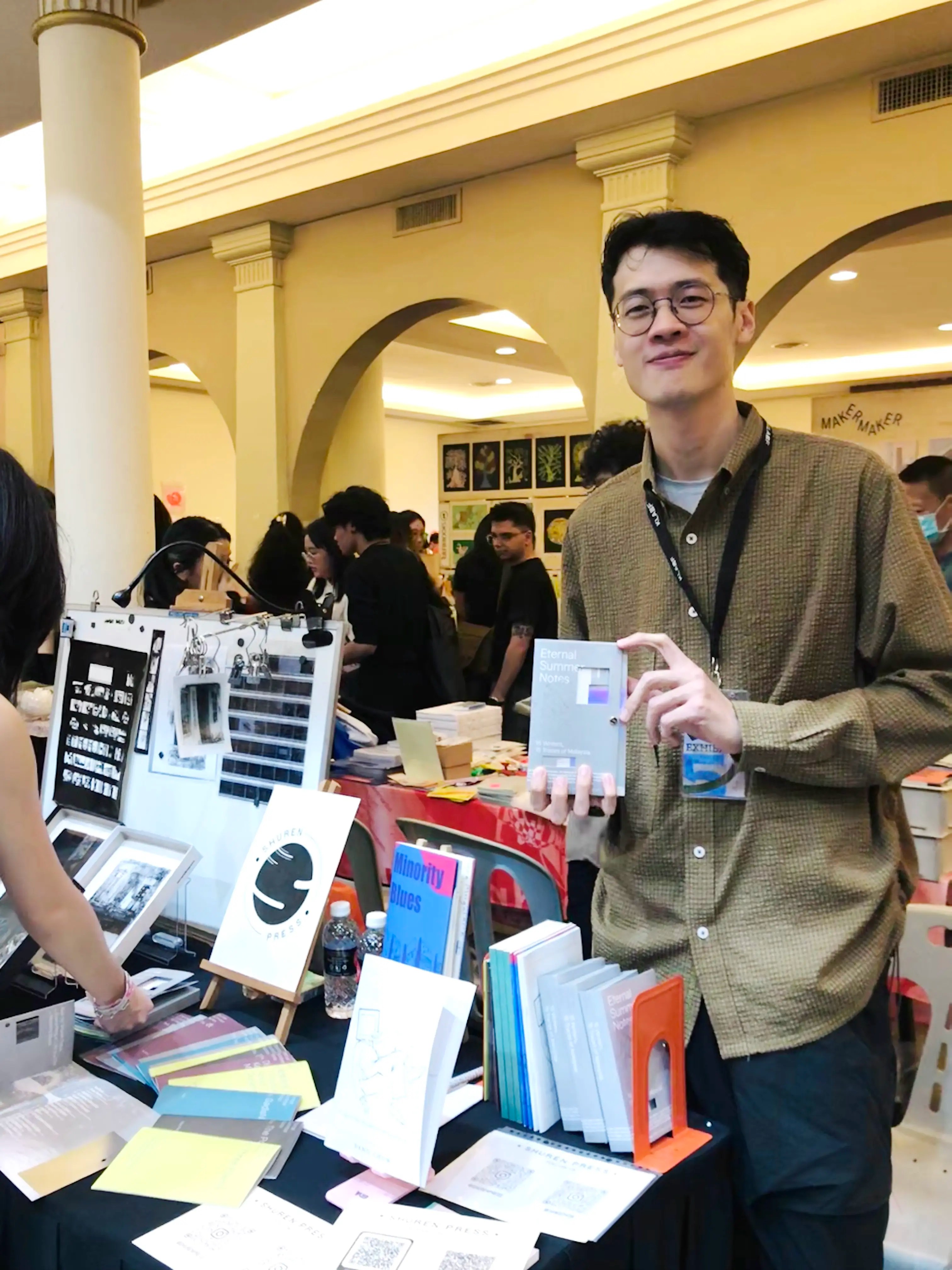
Risograph prints and book at illustrator Rinaldo Hartanto’s (Indonesia) booth; analogue photo prints, poetry books and Eternal Summer Notes anthology at Shuran Press (Malaysia).
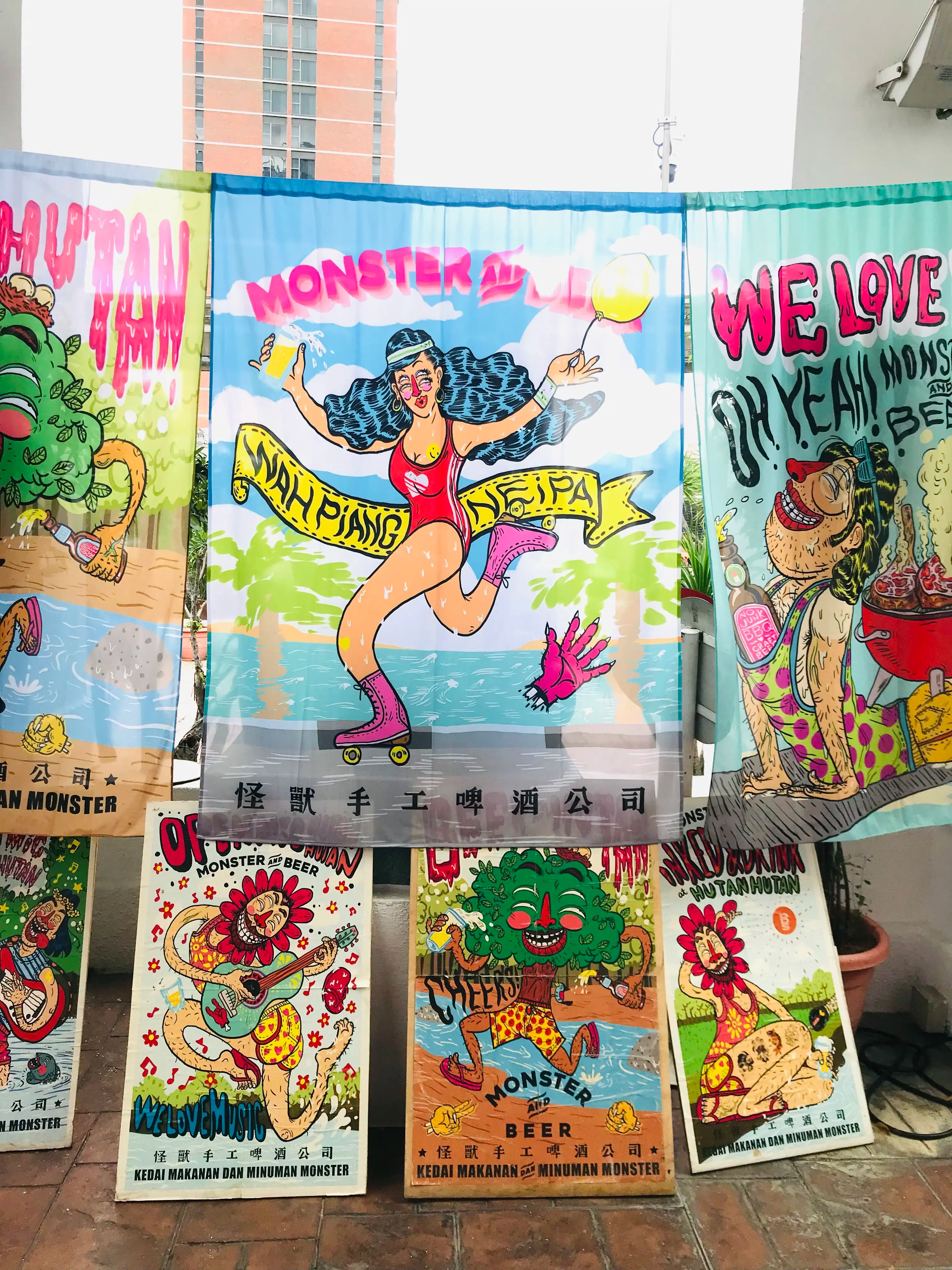
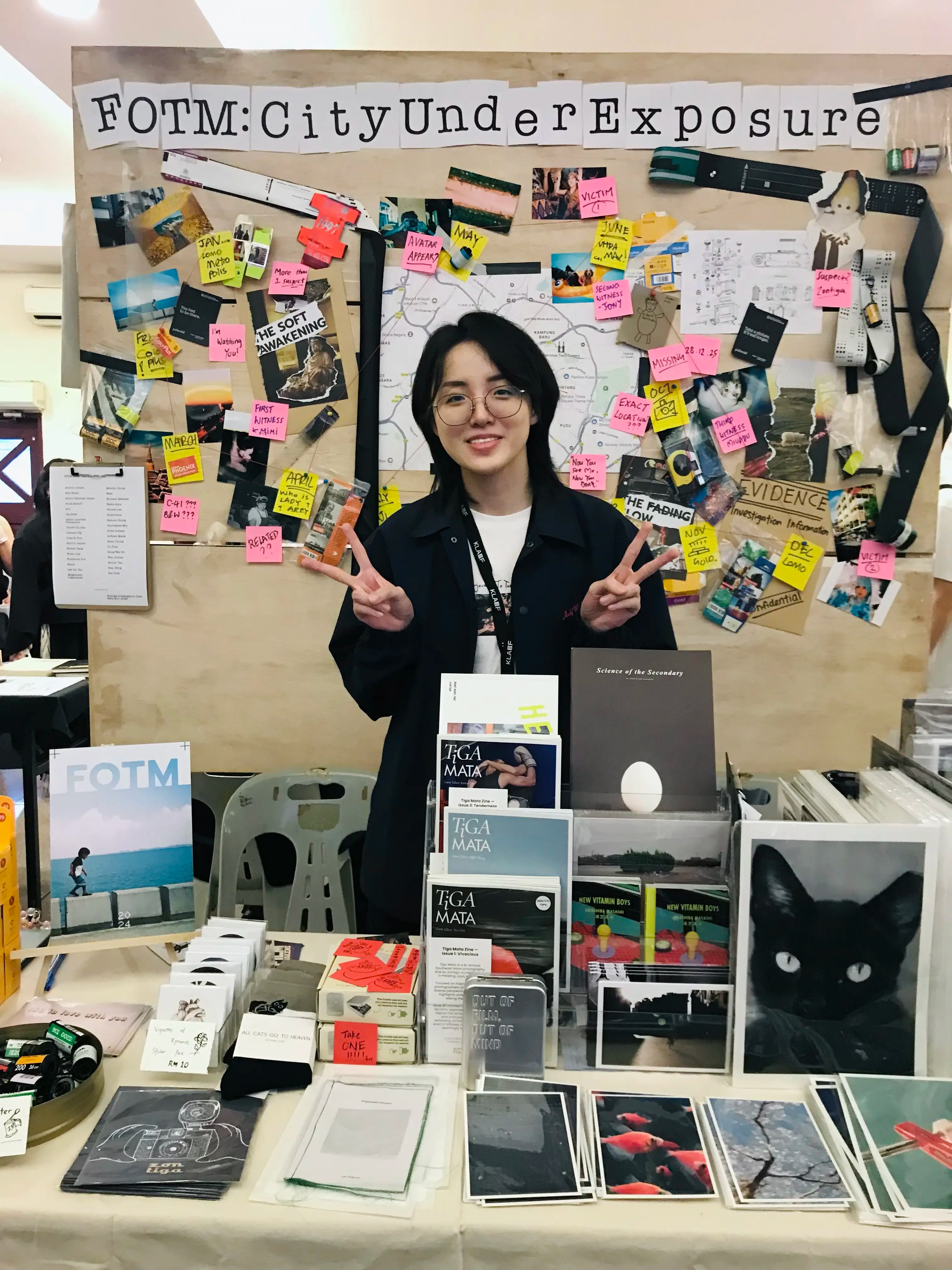
Monster Beer colourful campaign banners at KLABF; photobooks and Tiga Mata zines at Zontiga’s (Malaysia) booth.
Tokyo, the capital of pop culture
In the New Year, we headed to Tokyo to visit several museums and pop culture bookstores. We were focussed on the Asakusa area where several notable arts venues are concentrated. The Museum Contemporary Art Tokyo is an interesting space at Koto City, where the Tokyo Art Book Fair takes place every December. We didn’t catch the event this year, but we visited the current exhibition, The Wetlands, a visceral showcase by Umeda Tetsuya and Oh Haji about human migration, generational memories and identity. The museum has an art library where readers can browse through periodicals and exhibition catalogues for free.
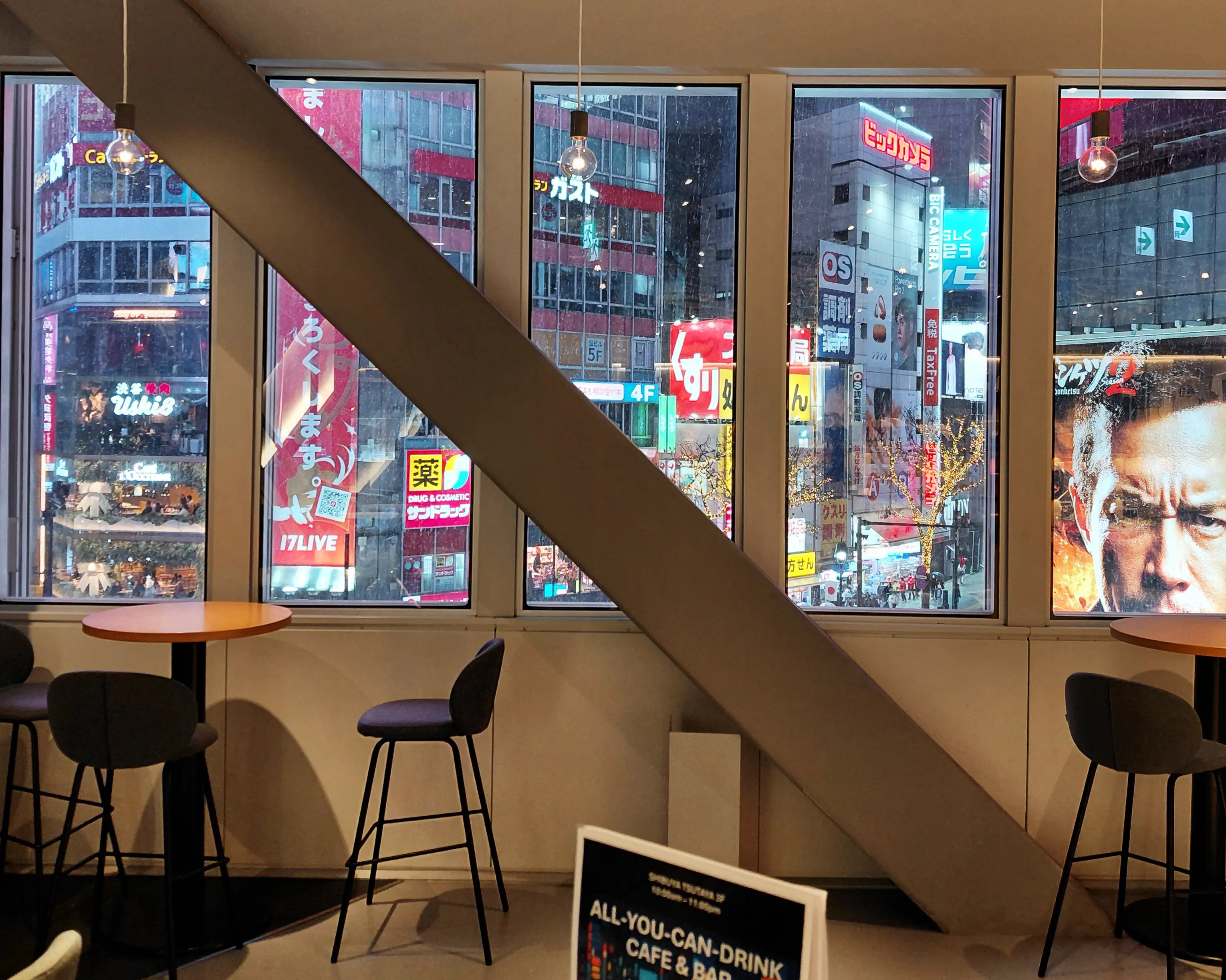
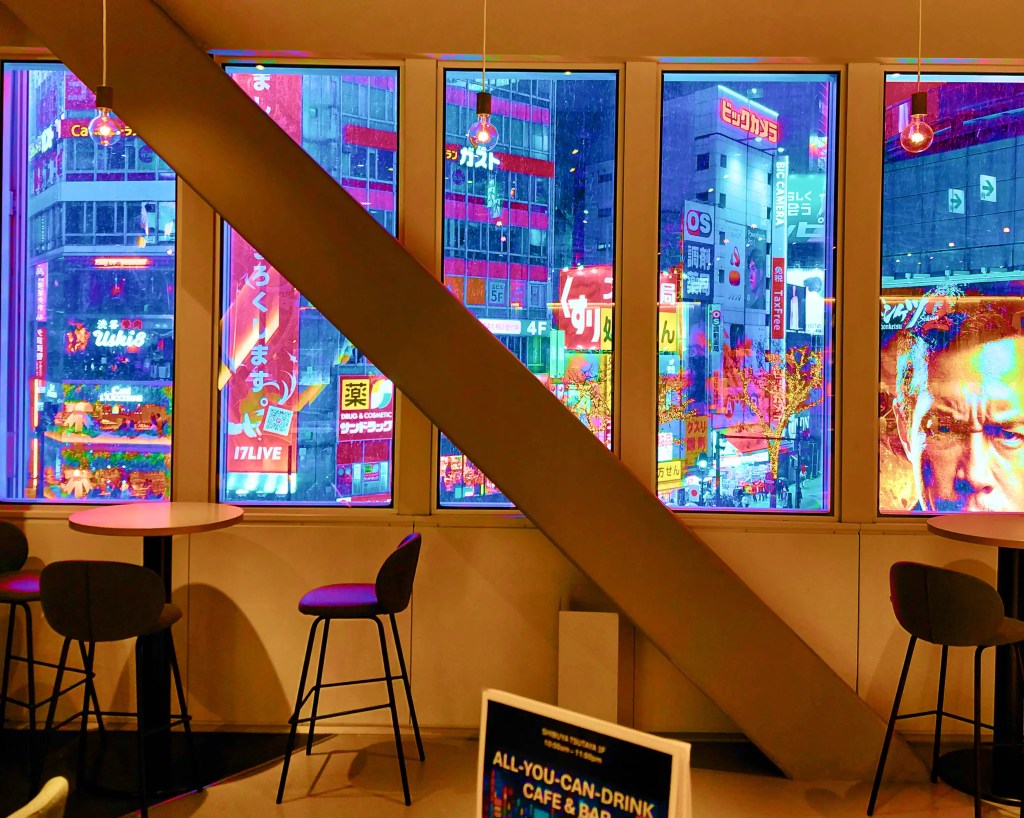
Stunning viewing point at Tsutaya Shibuya bookstore cafe in Tokyo, Japan.
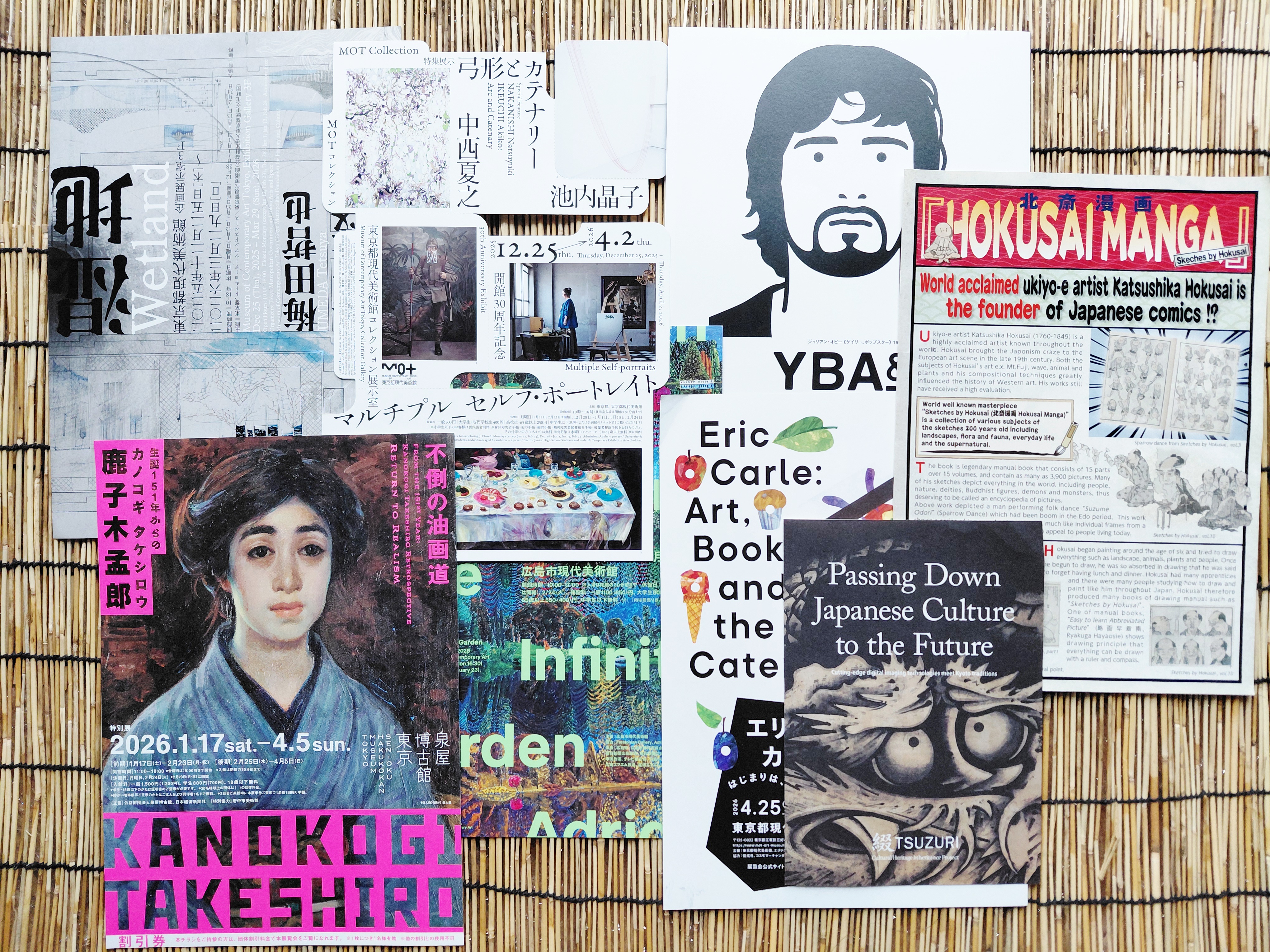
Museum Contemporary Art Tokyo’s brochures.
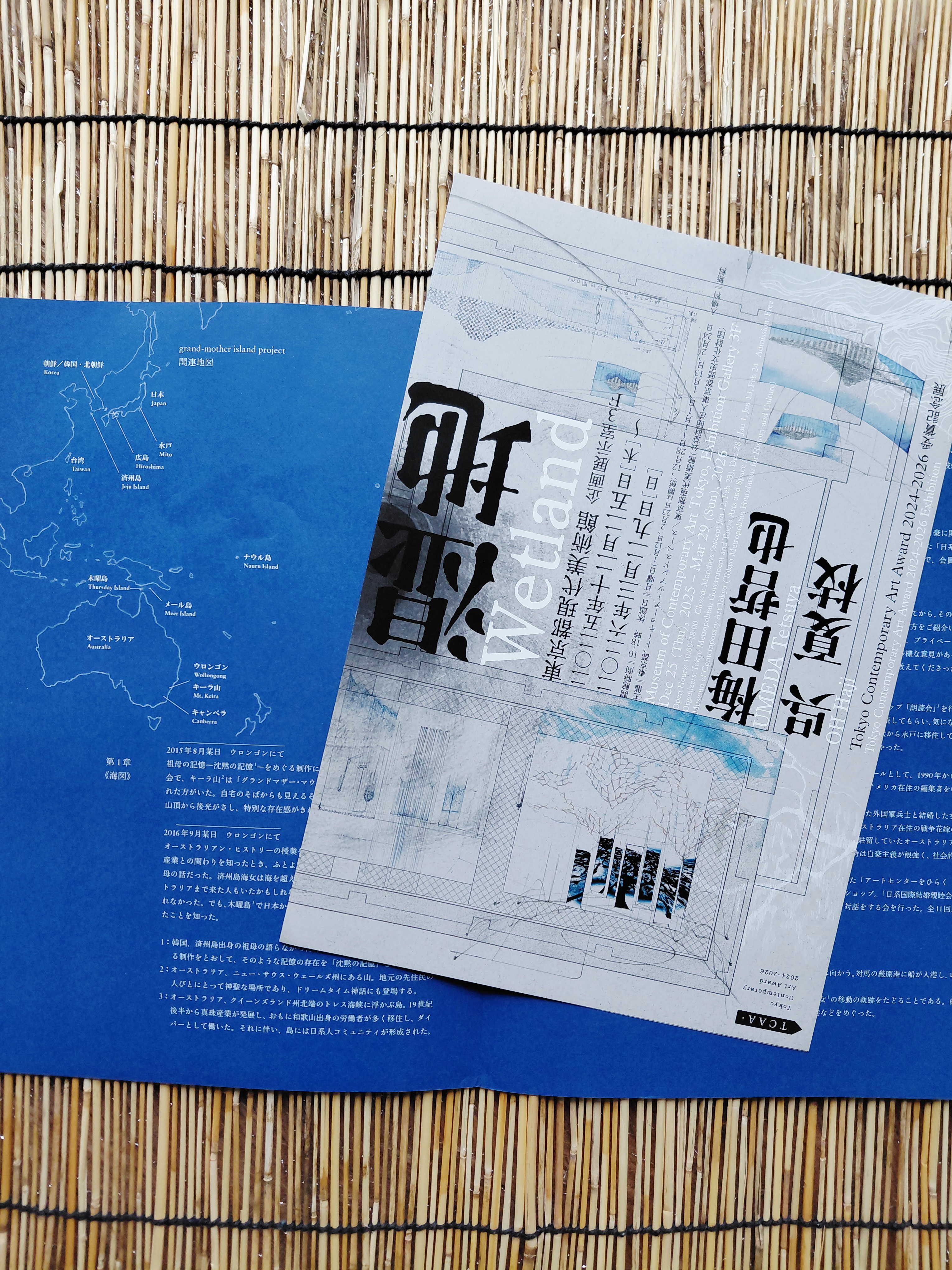
Wetland exhibition at Museum Contemporary Art Tokyo.
We visited the Tokyo Metropolitan Art at the magnificent Ueno Park, where modern Western art is hosted. We were impressed with the 75th Gakkaiten calligraphy exhibition at the Citizen’s Galleries where traditional Japanese calligraphy (shodo) paintings were displayed. This is a major annual Japanese calligraphy exhibition organised by the Japan Calligraphy Education Society. The showcase may look like a huge pale room to the untrained eyes, but our smartphones’ Google Translate app deciphered some of the best haiku poems we’ve read.
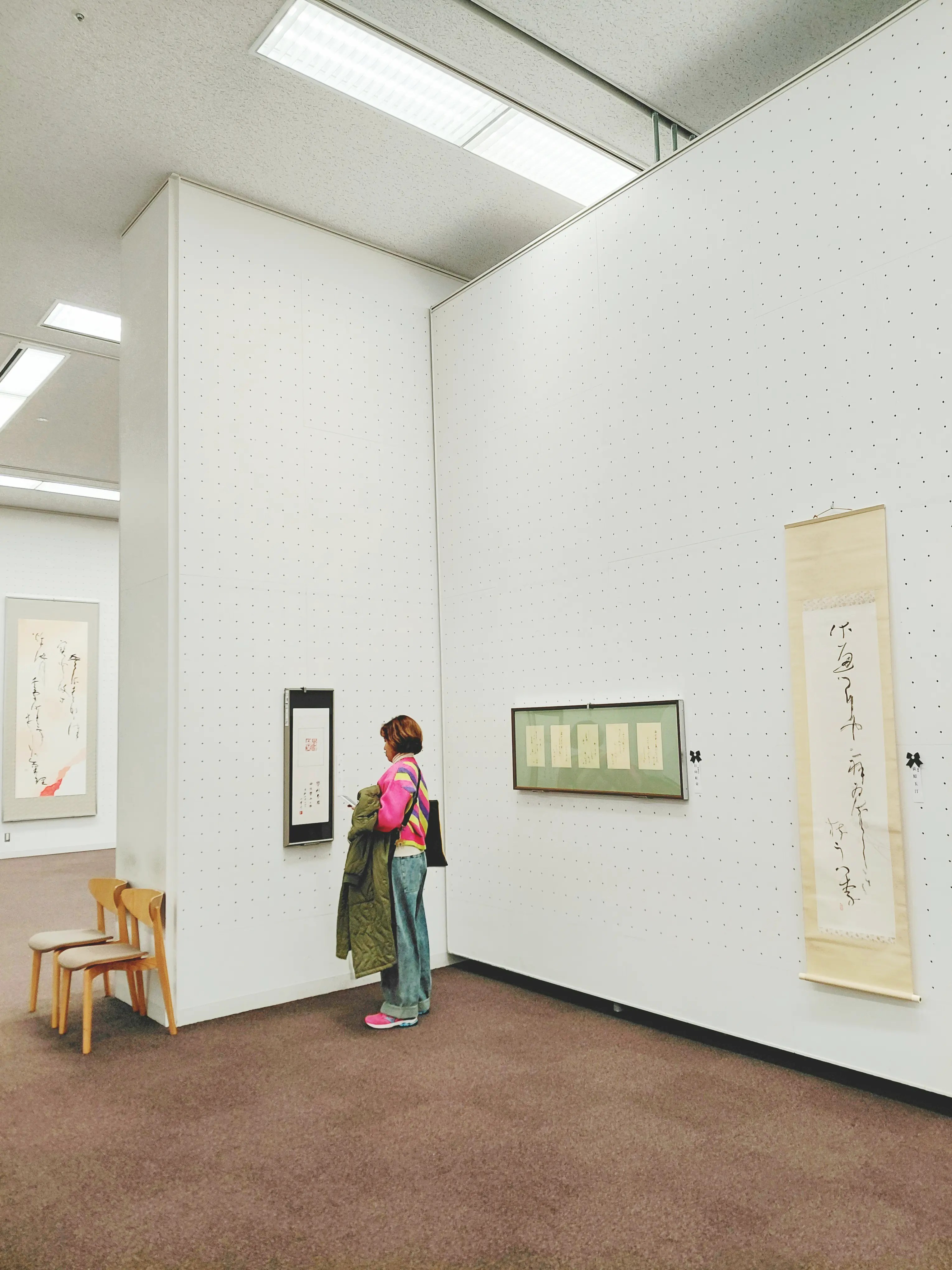
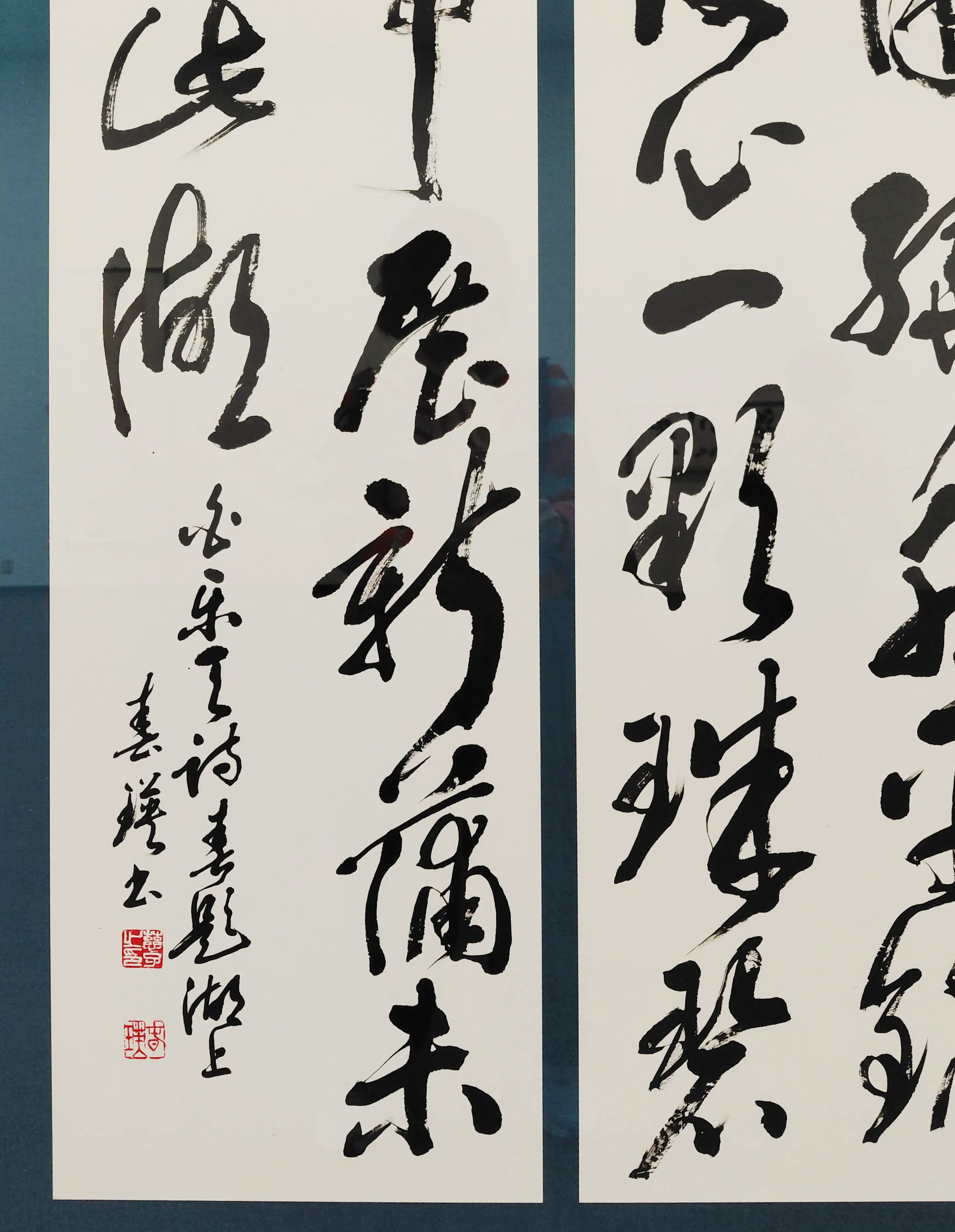
Visiting 75th Gakkaiten calligraphy exhibition at the Tokyo Metropolitan Museum. We used Google Translate app here to read haiku poems.
The Sumida Hokusai Museum at Kobo Park isn’t far from the Museum Contemporary Art Tokyo at Taito City. It’s a must-visit gallery for publishers and manga lovers, to understand Hokusai’s giant contribution to the ukiyo-e art and pop culture today. The museum is situated at the most unassuming residential area in the east of the Sumida River. The building is a breathtaking silver origami structure by architect Kazuyo Sejima, yet small enough to retain visitor’s attention. We observed that many museums in Tokyo are small, unlike in the UK where you could spend hours inside, but we don’t mind it at all.
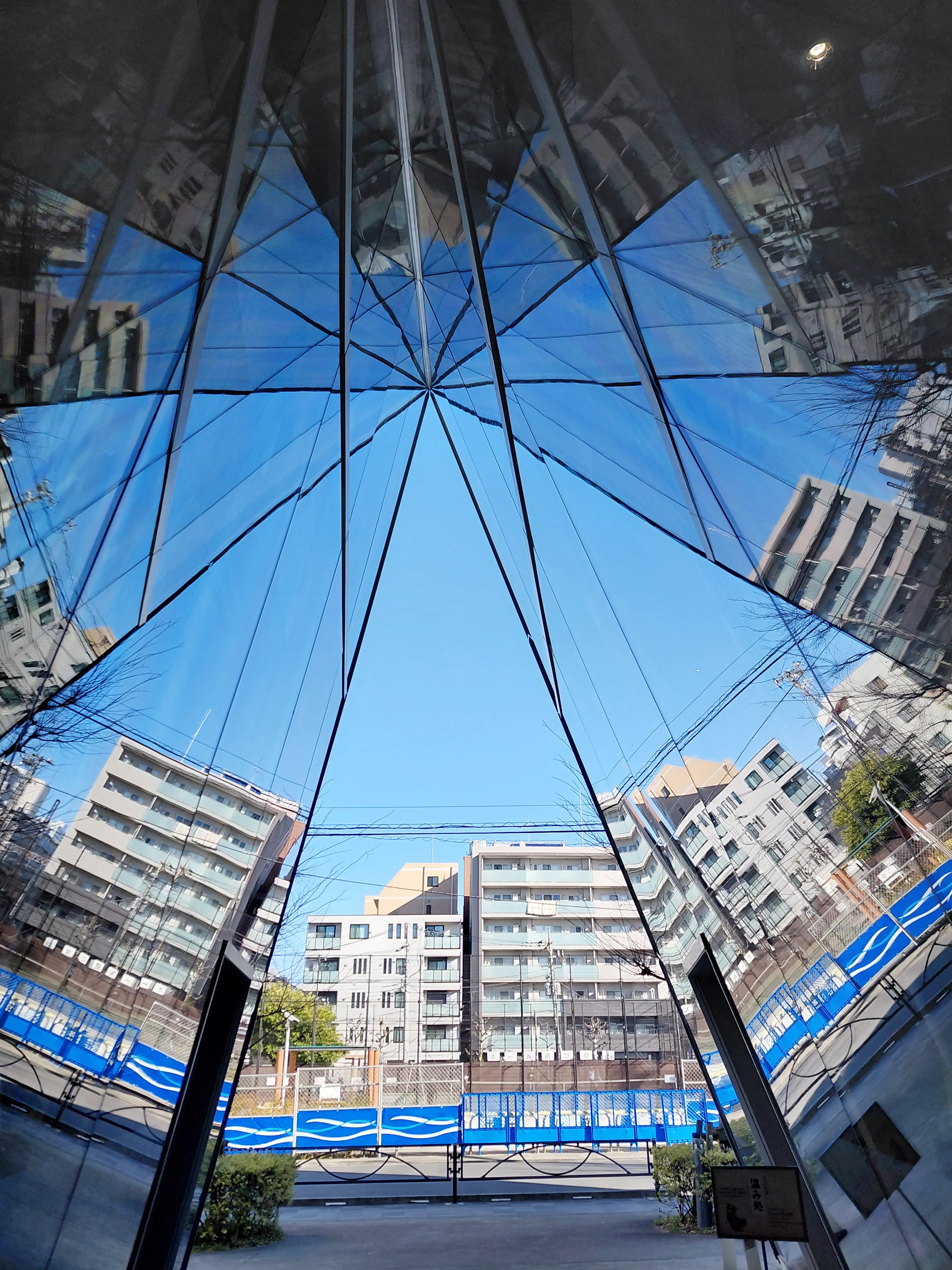
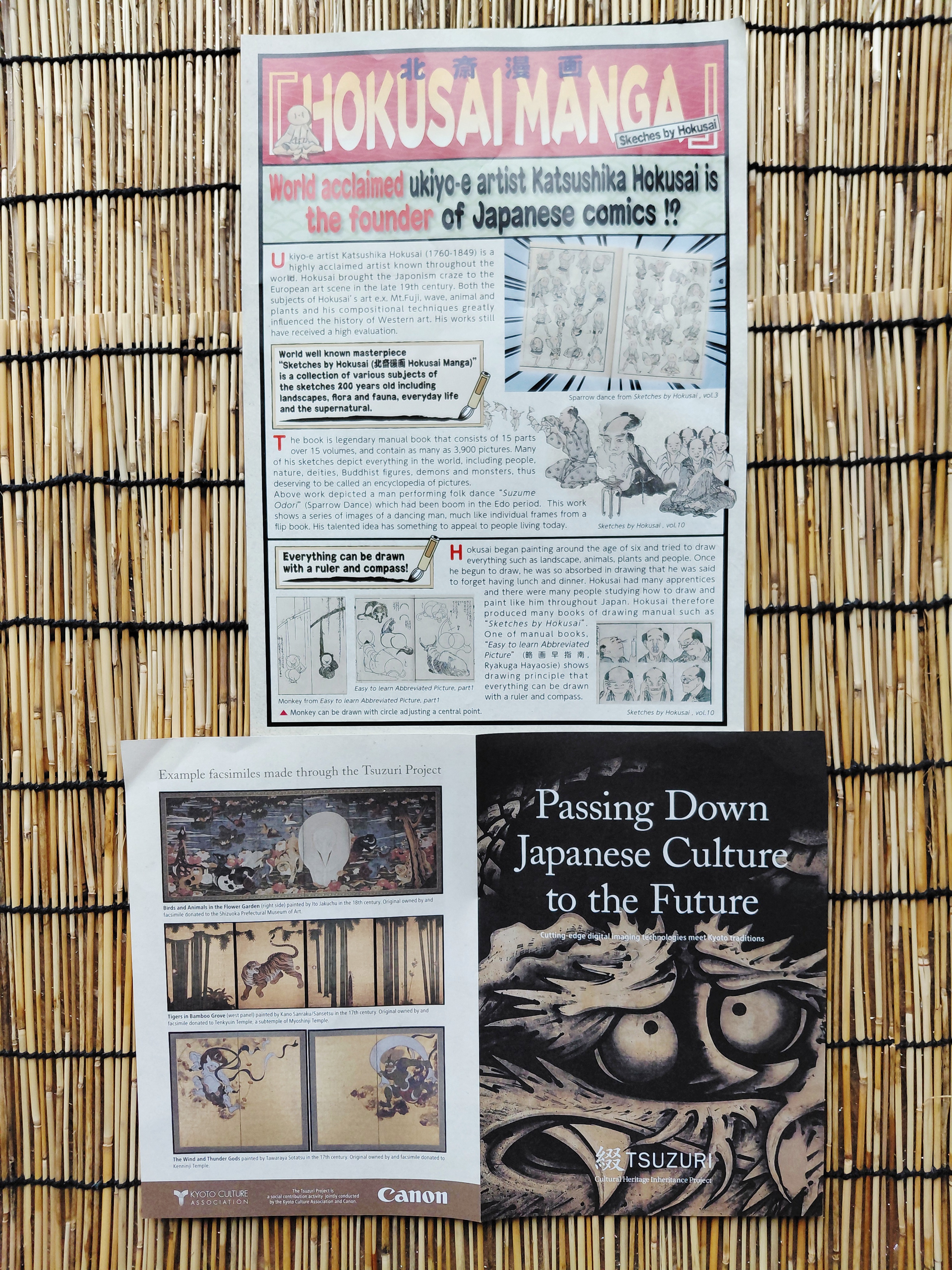
Avant garde architecture of the Sumida Hokusai Museum by architect Kazuyo Sejima; brochures about Katsushika Hokusai (1760–1849) as the father of Japanese manga and the museum’s initiative to pass down the culture.
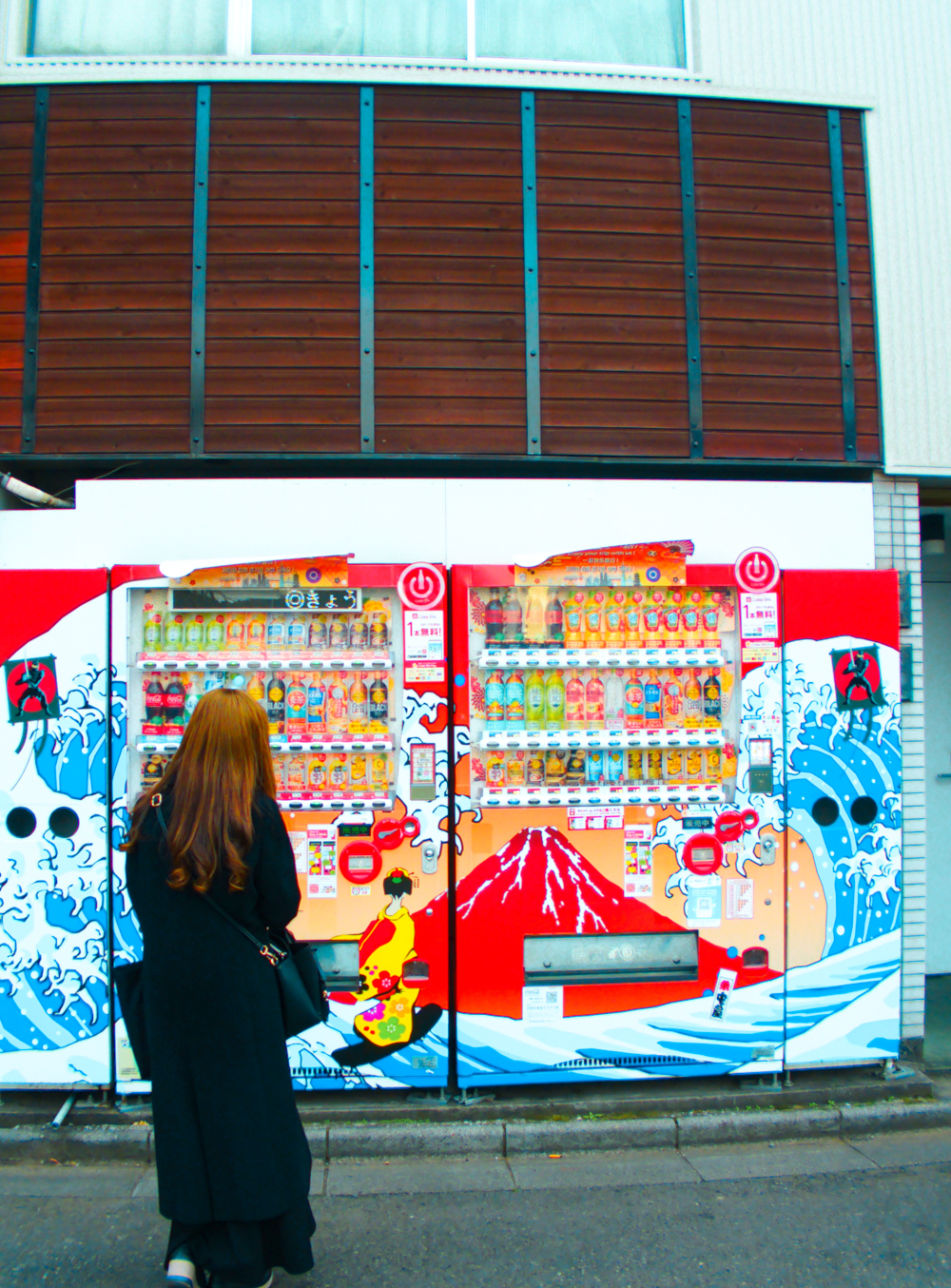
Vending machine featuring The Great Wave Off Kanagawa at Asakusa, Tokyo. The influence of Hokusai’s art permeates everywhere in Japanese visual culture today. His work is recognisable worldwide thus establishing the Japan’s nation branding. Photo: Lo-fi in Tokyo series by Zarina Holmes.
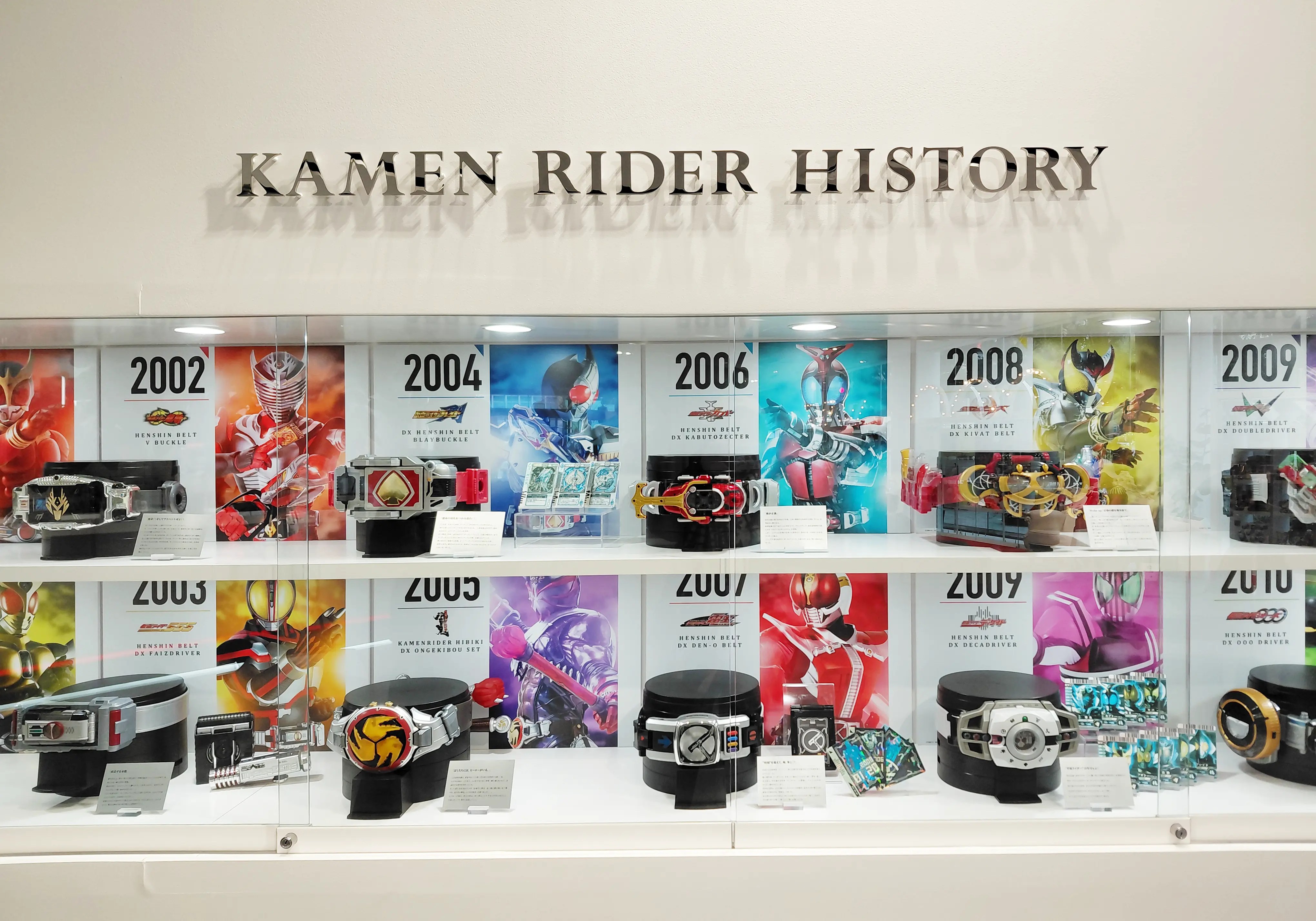
The ultimate heart-stealer is the Bandai Namco Museum at the headquarter of the toy manufacturer company. The building is only over a mile away from the bustling Senso-ji, at the quiet end of Asakusa. The vibe is the opposite of the company’s hectic Gashapon Bandai flagship store in Akihabara Electric District. The museum hosts a concise historical collection of art toys and character design artefacts by era. Although it’s a small space, we were filled with so much knowledge about the company’s history and mission.
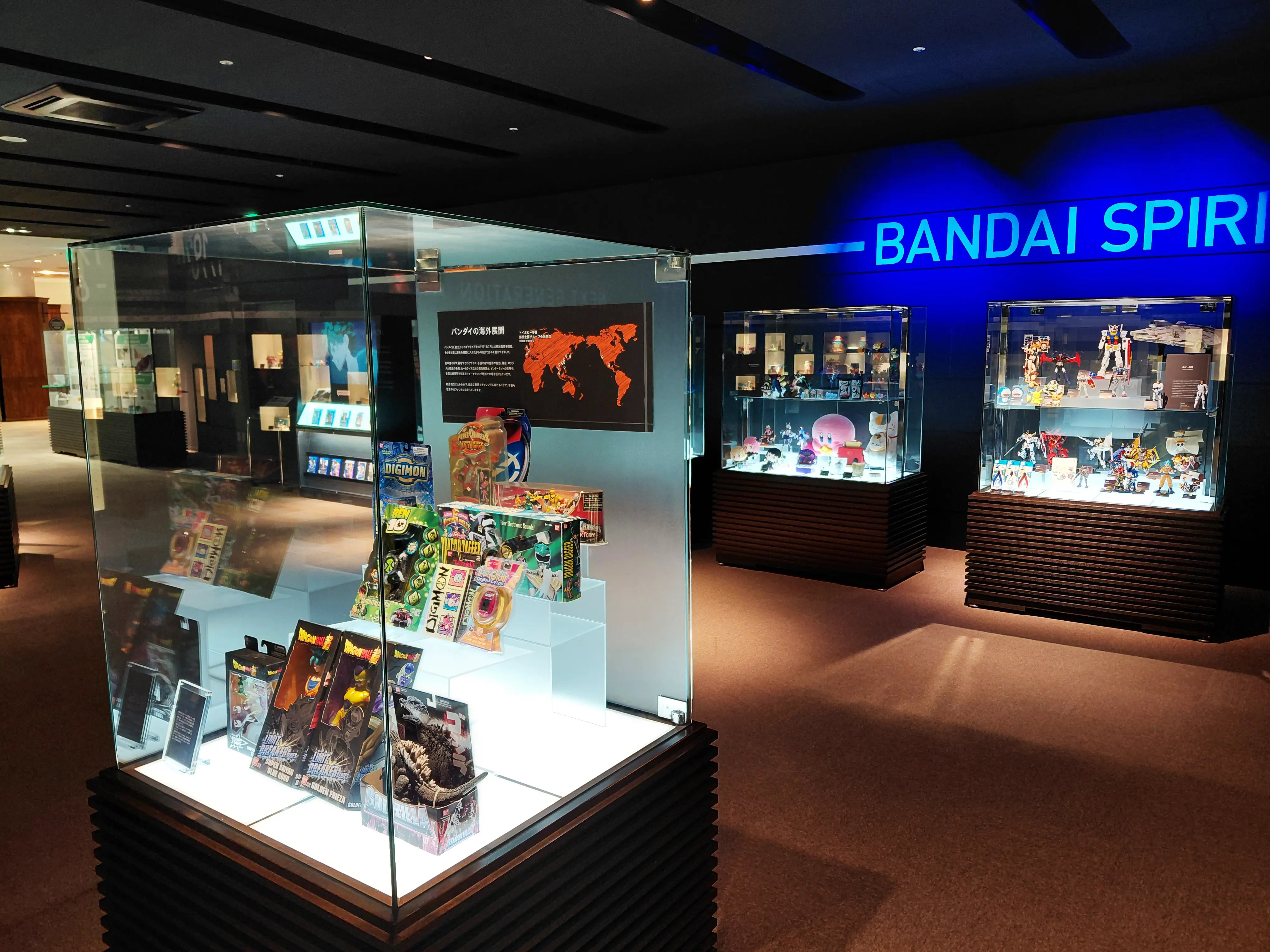
You could probably learn about the world’s art toy history here at Bandai Namco Museum. It’s small but filled with well-curated toy artefacts and their historical evolutions.
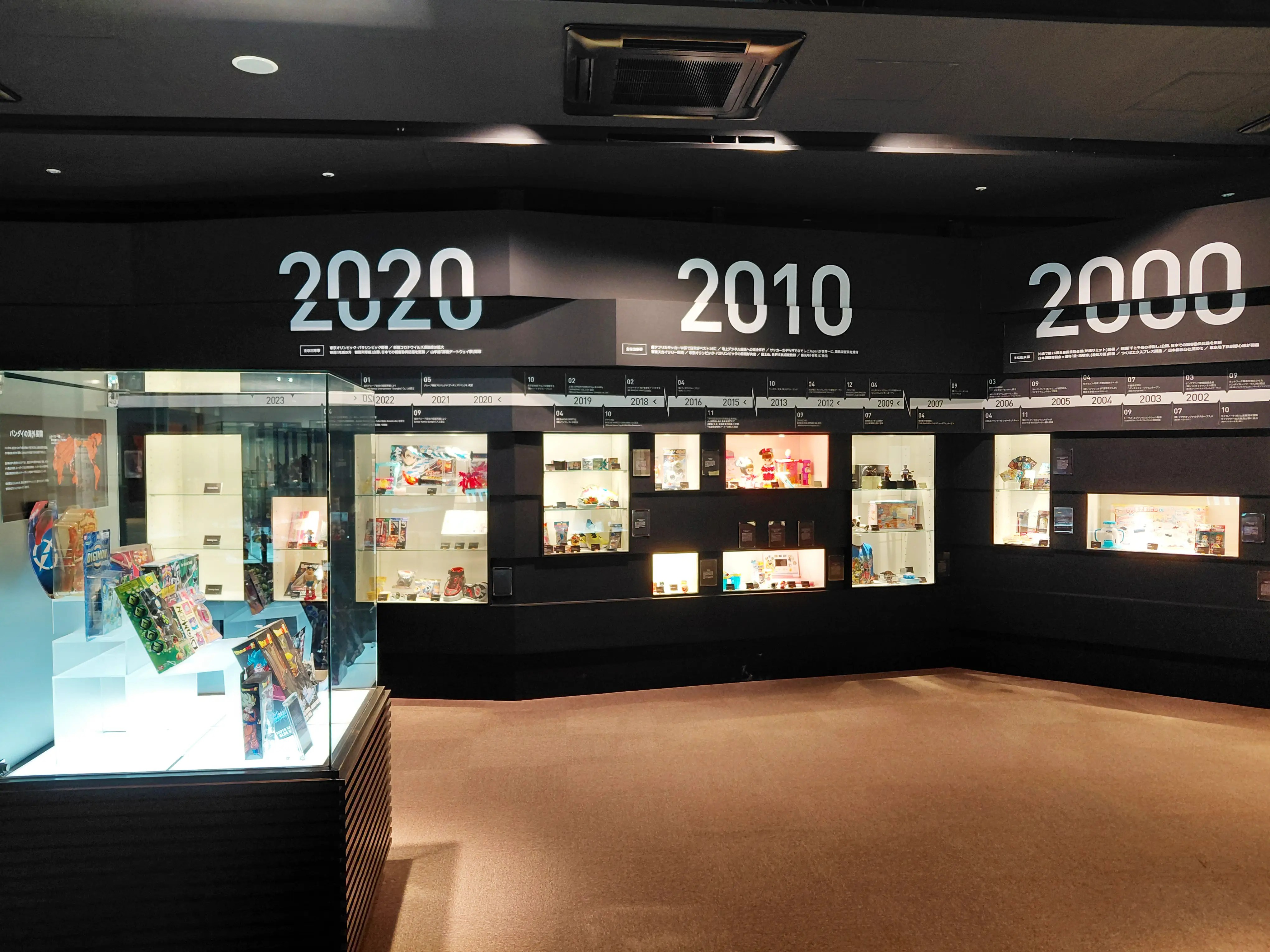
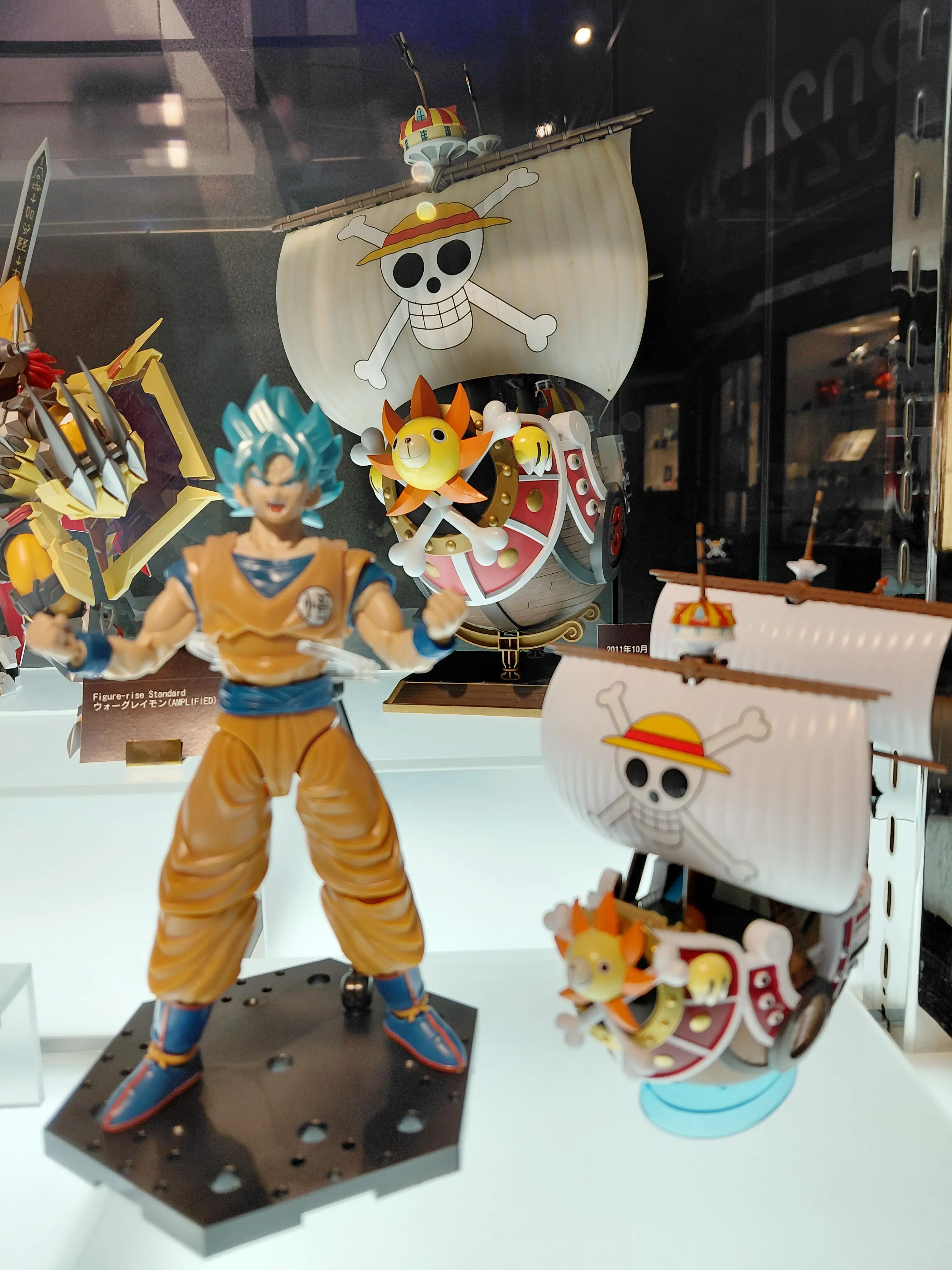
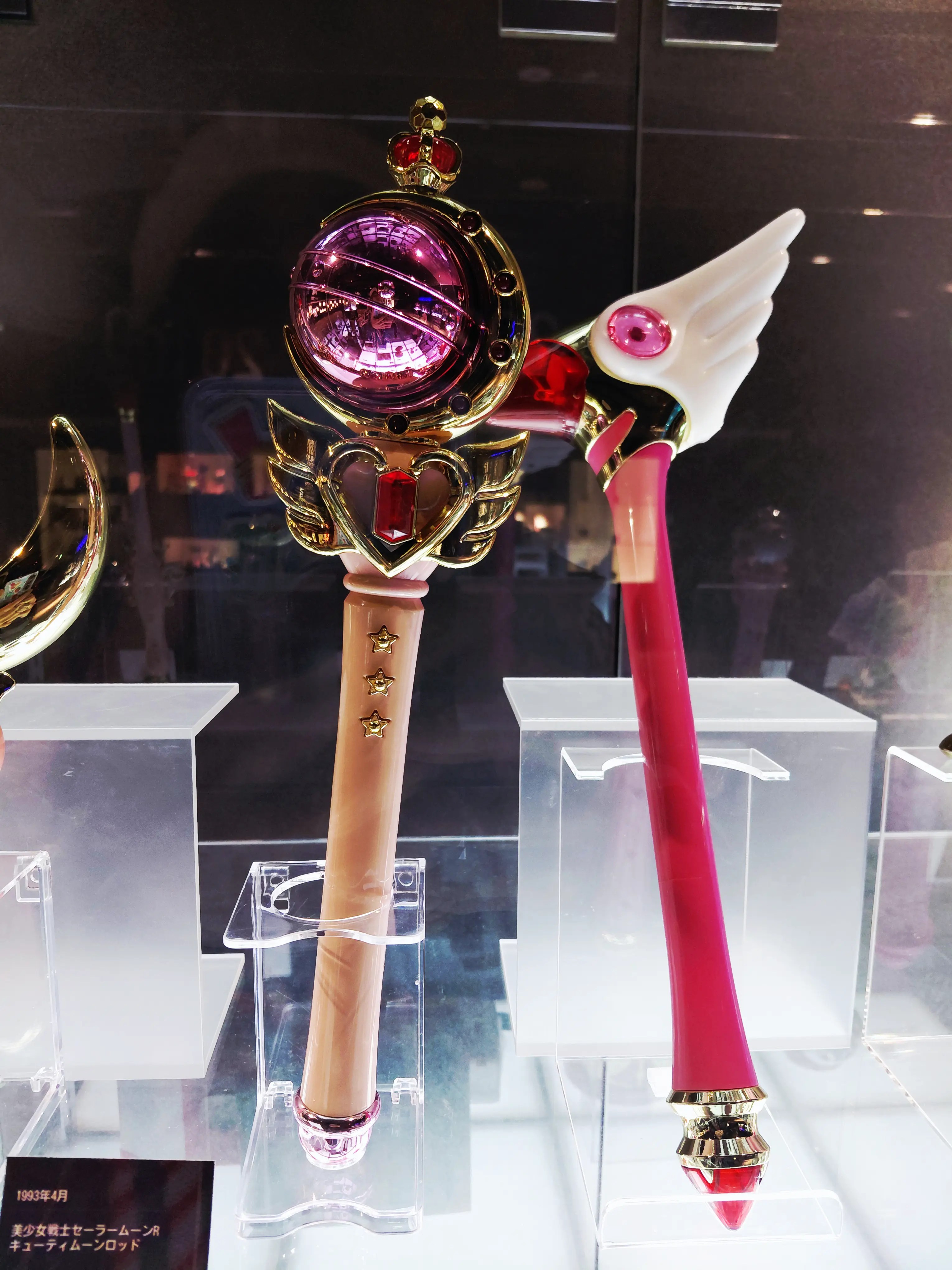
“We are not doing business because people buy from us out of charity. Let us live by the belief that our products are for the benefit of those who buy from us.” – Bandai Namco Management Philosophy
This is where we learned that Banda Co. founder, Naoharu Yamashina (1918-1997), was a WW2 Japanese soldier blinded in one eye. Since the age of 22 he had been “looking at the world with one eye.” Following his disability, he worked at a struggling textile company in Kanazawa that was forced to diversify into selling wooden toys. The toy business broke even, so that marked the humble beginning of the toy empire in Ueno in 1950. He also founded the Japan Toy Association. When Yamashina died in 1997, he left a 2.65 billion yen estate behind.
A couple of Bandai’s Mission statements (From their 1980 Management Philosophy):
– “We are not doing business because people buy from us out of charity. Let us live by the belief that our products are for the benefit of those who buy from us.”
– “We want to be a company that the world and children want to exist in.”

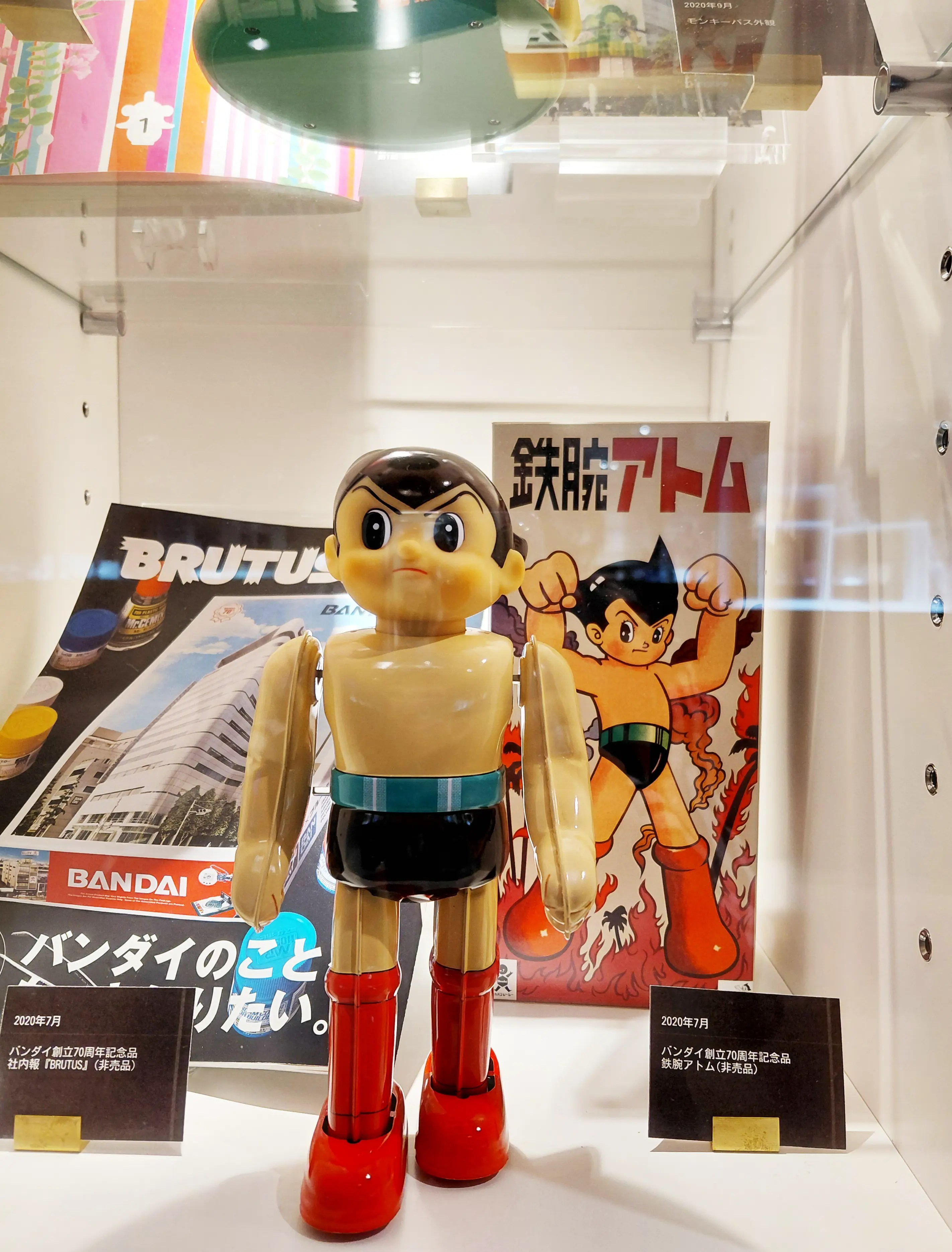
Bandai Namco Museum is one the best design museums we’ve seen so far.
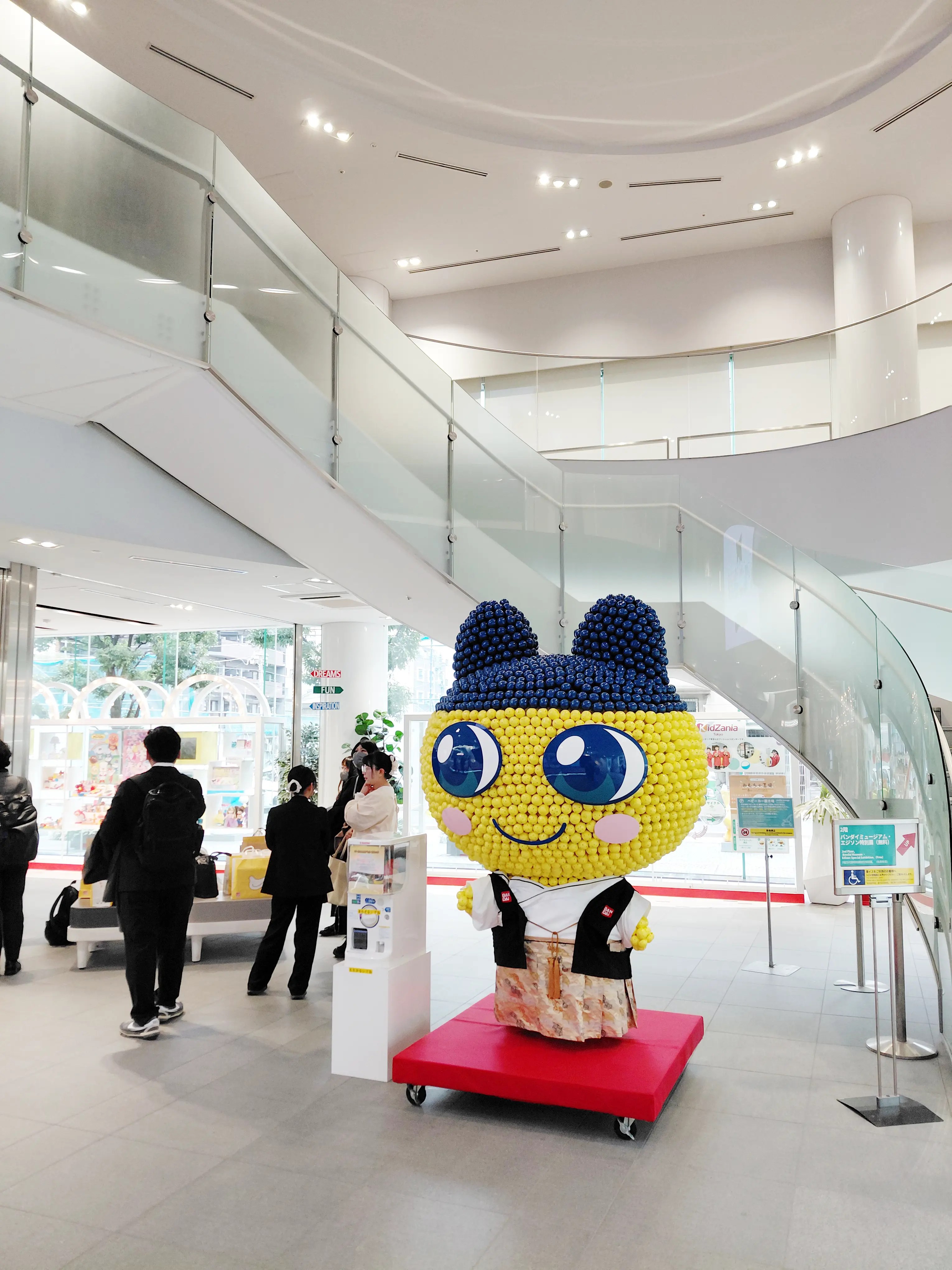
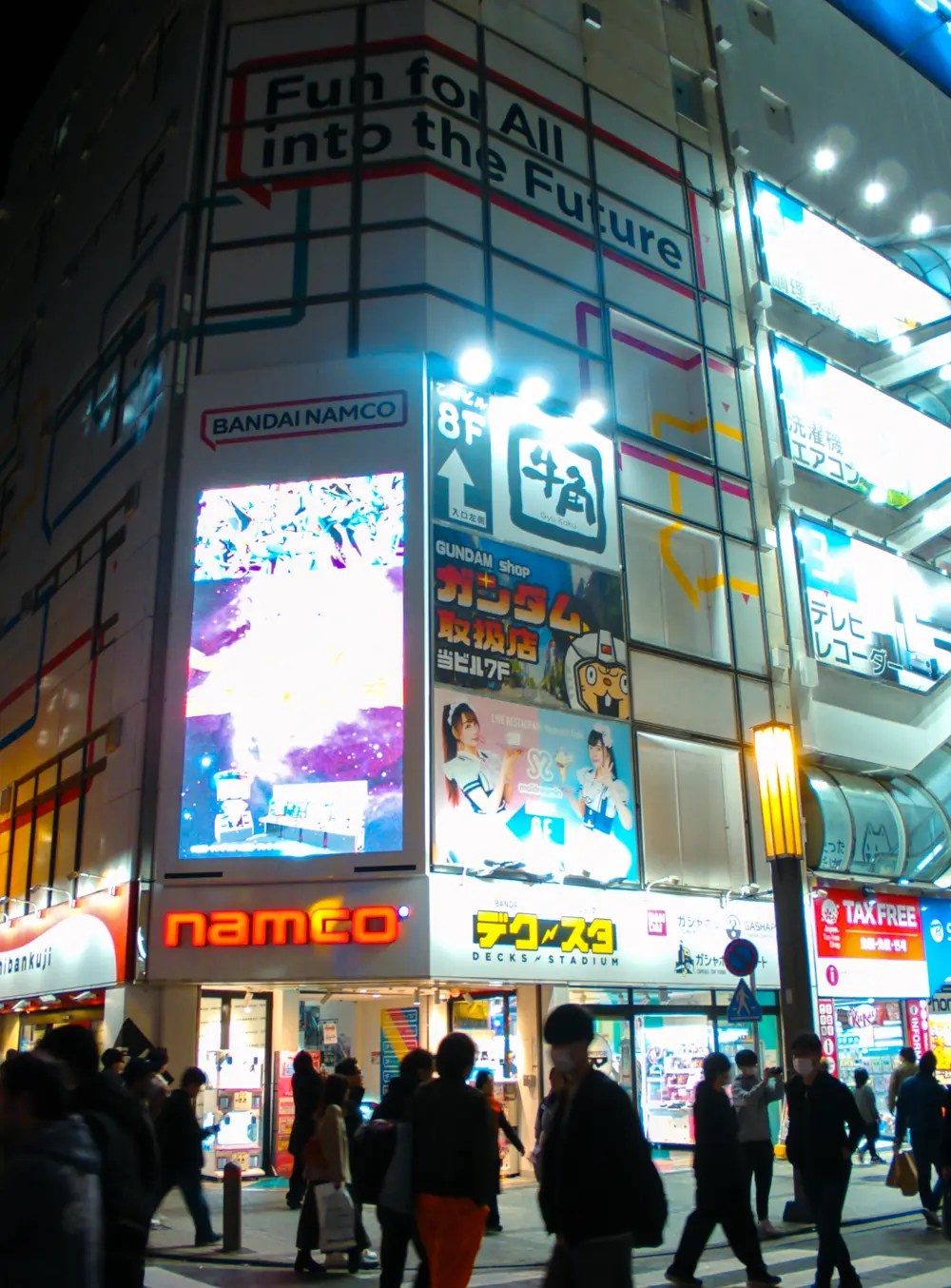
Bandai Namco Museum in Asakusa; Gashapon Bandai flagship store in Akihabara Electric District.
We visited Tsutaya Bookstore at Shibuya for the Star Wars pop-up exhibition. The bookstore isn’t as big as its counterpart in Kuala Lumpur, but the view of the Shibuya Scramble Square pedestrian crossing is stunning. The free area is packed with tourists, and you have to pay a fee for a quieter reading service. This place is more about savouring the Shibuya experience than the experience of reading books.
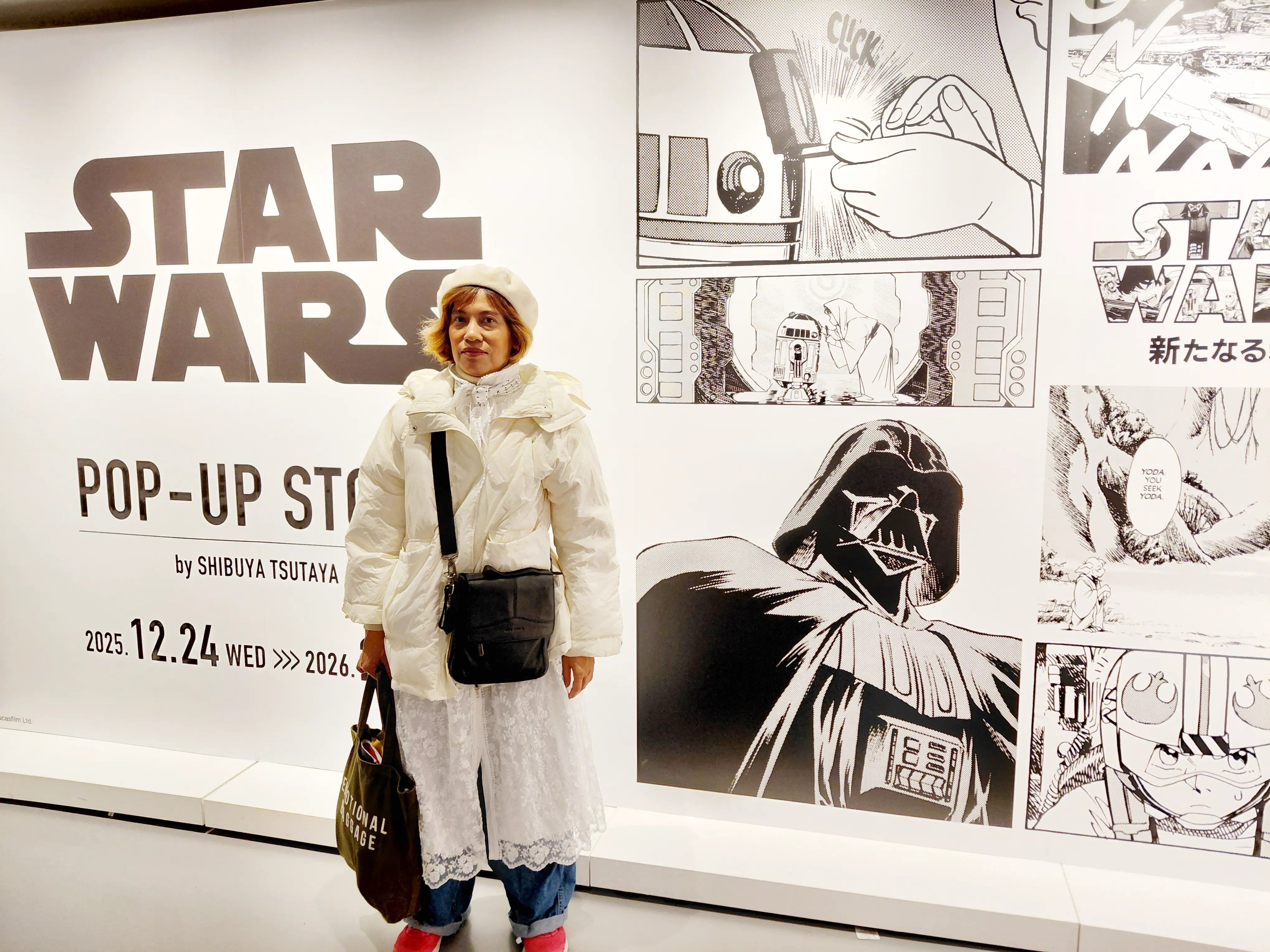
Star Wars exhibition as Shibuya Tsutaya.
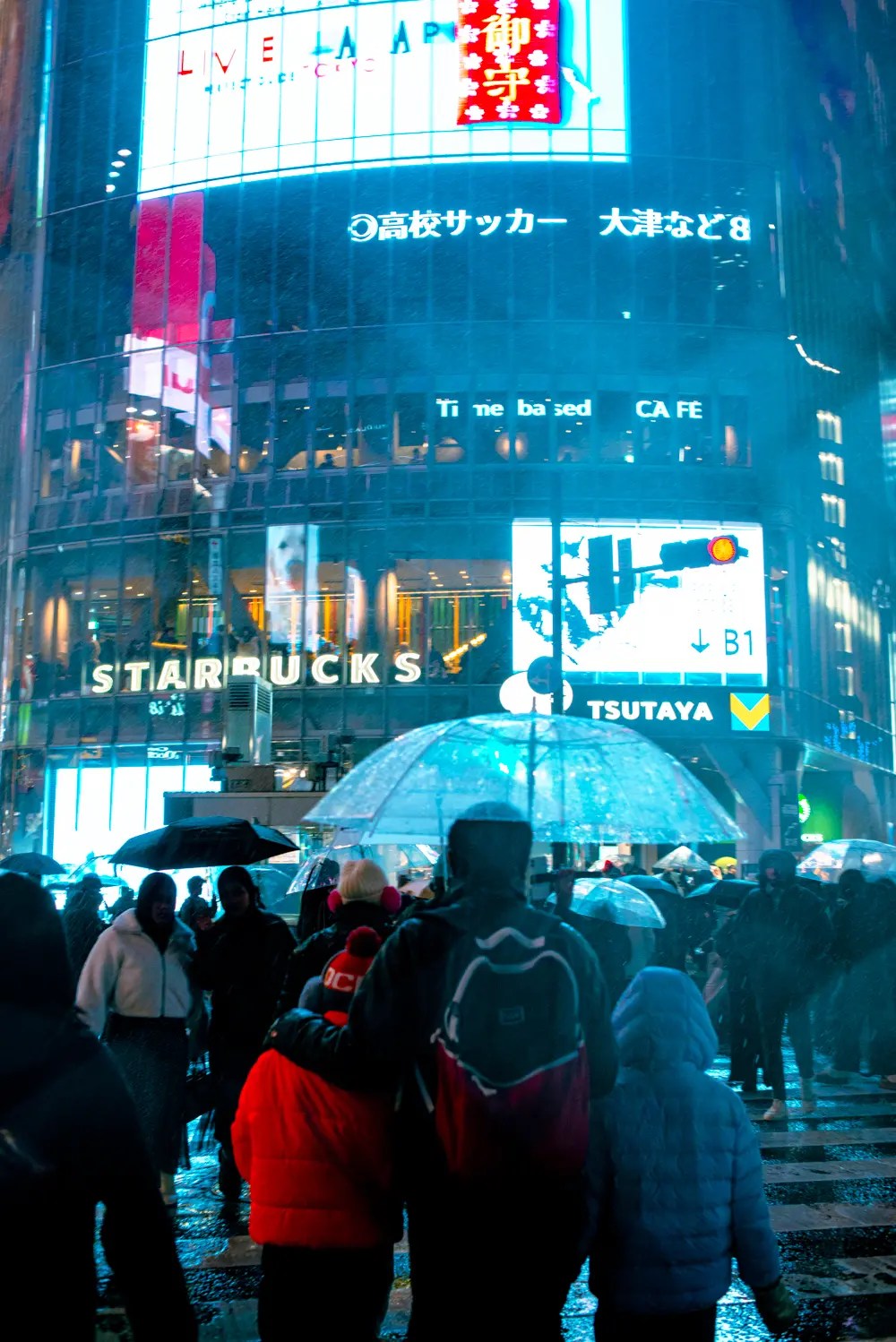
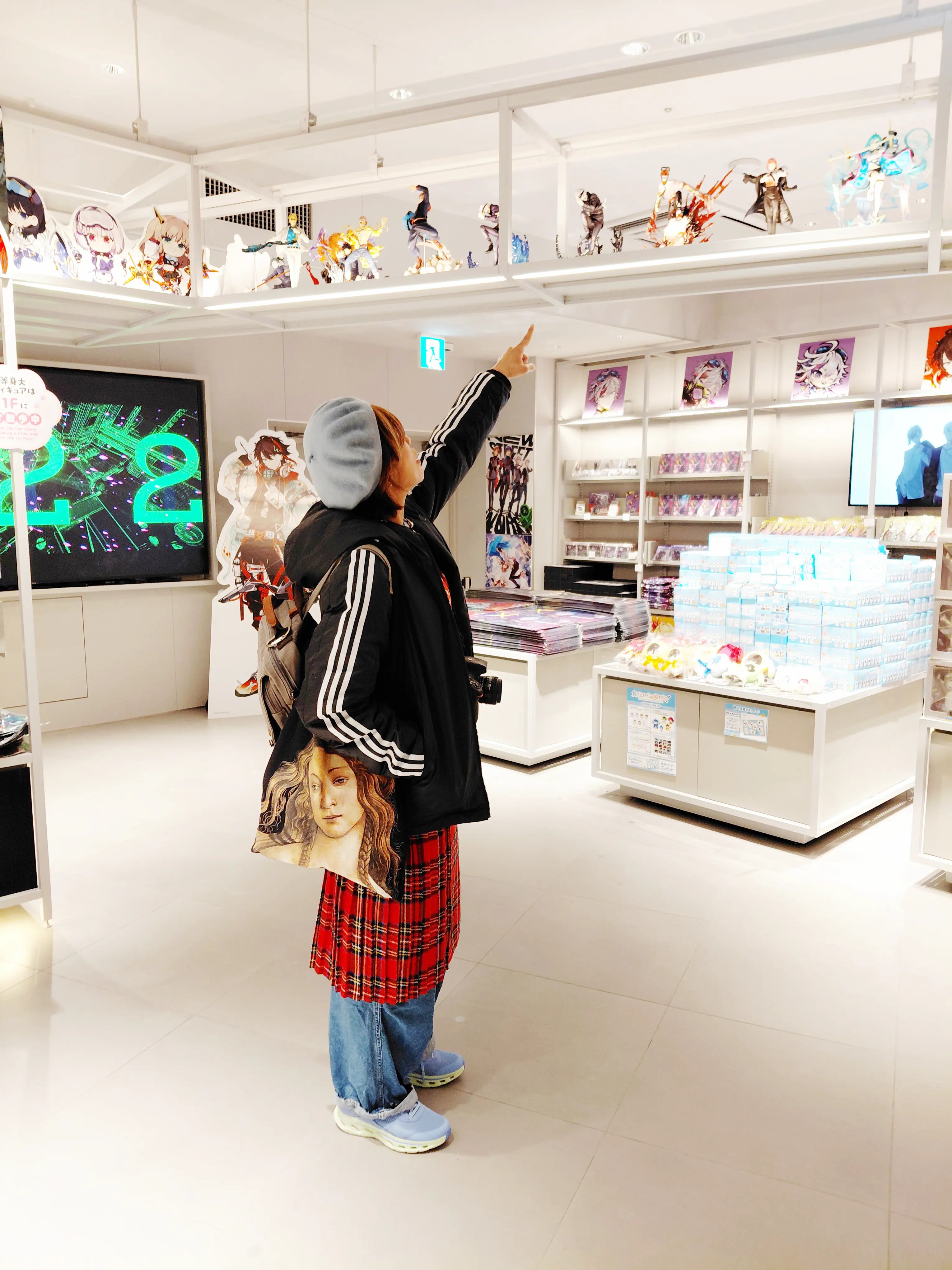
Crossing the Scramble Crossings to get to famous Shibuya Tsutaya bookstore; checking out the artists showcase at Shibuya Tsutaya.
We went to Books Kinokuniya in Shinjuku for the second time. This place is our firm favourite in Tokyo for pop culture fix, stocking the best Japanese manga you could think of, whilst stocking exciting illustrated merchandise. It’s simple, not gimmicky and easy to navigate in real life.

AI ushers the renaissance of handcraft
Despite the pushback from creatives, the AI era ushers in a renaissance in art where human-made collectibles take centre stage at experience economy. We witnessed this through strong demands for art events at the culture capitals that we visited.
Currently there are more than 40 major art festivals taking place annually in Southeast Asia, with the majority of them taking place in Malaysia, Thailand and Singapore. This is not including gallery exhibitions and comic cons.
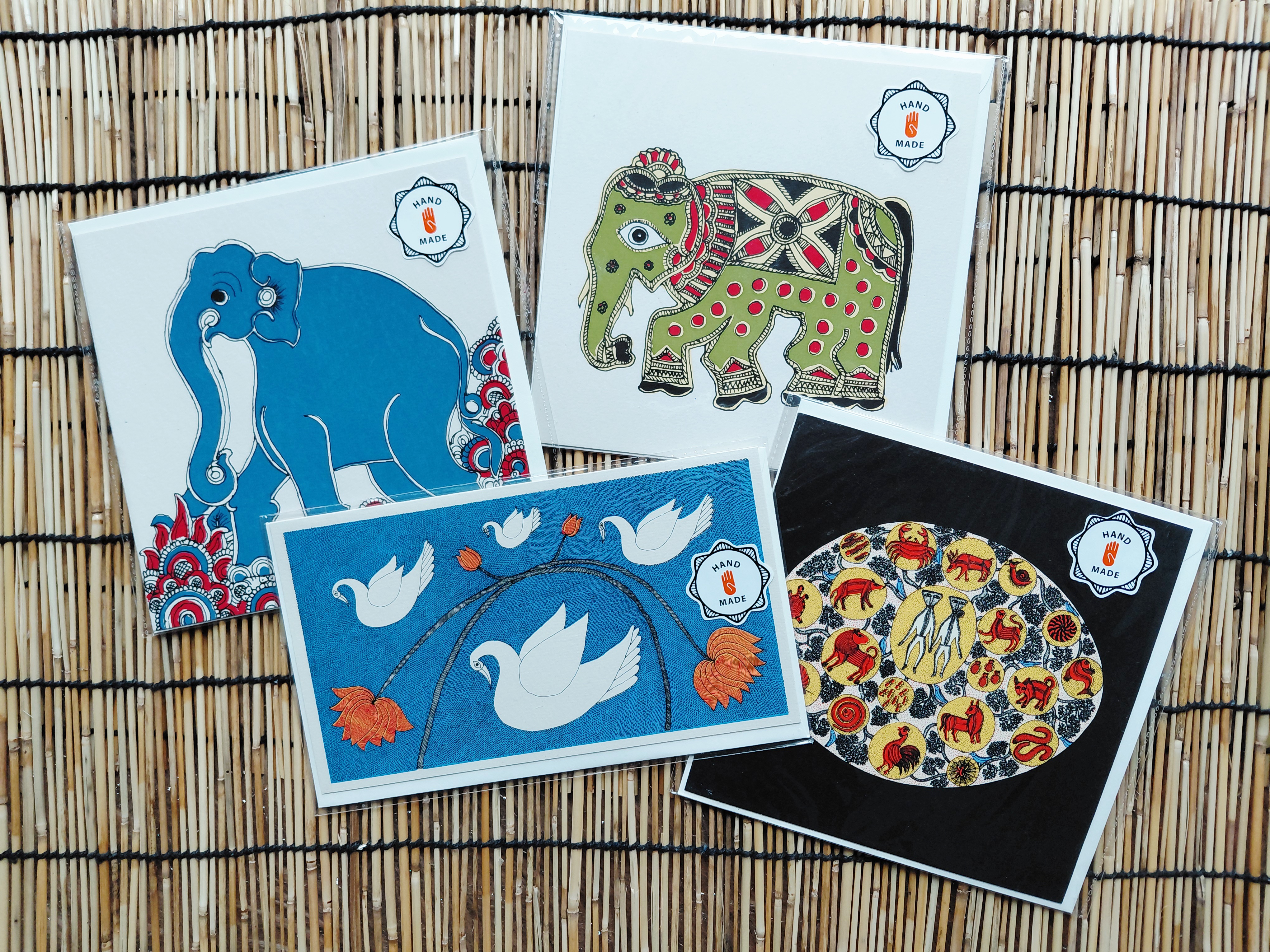
Above: Hand made art cards by Tara Books (India). Below: Risograph prints and book by Rinaldo Hartanto (Indonesia) and Eternal Summer Notes anthology by Shuran Press (Malaysia).

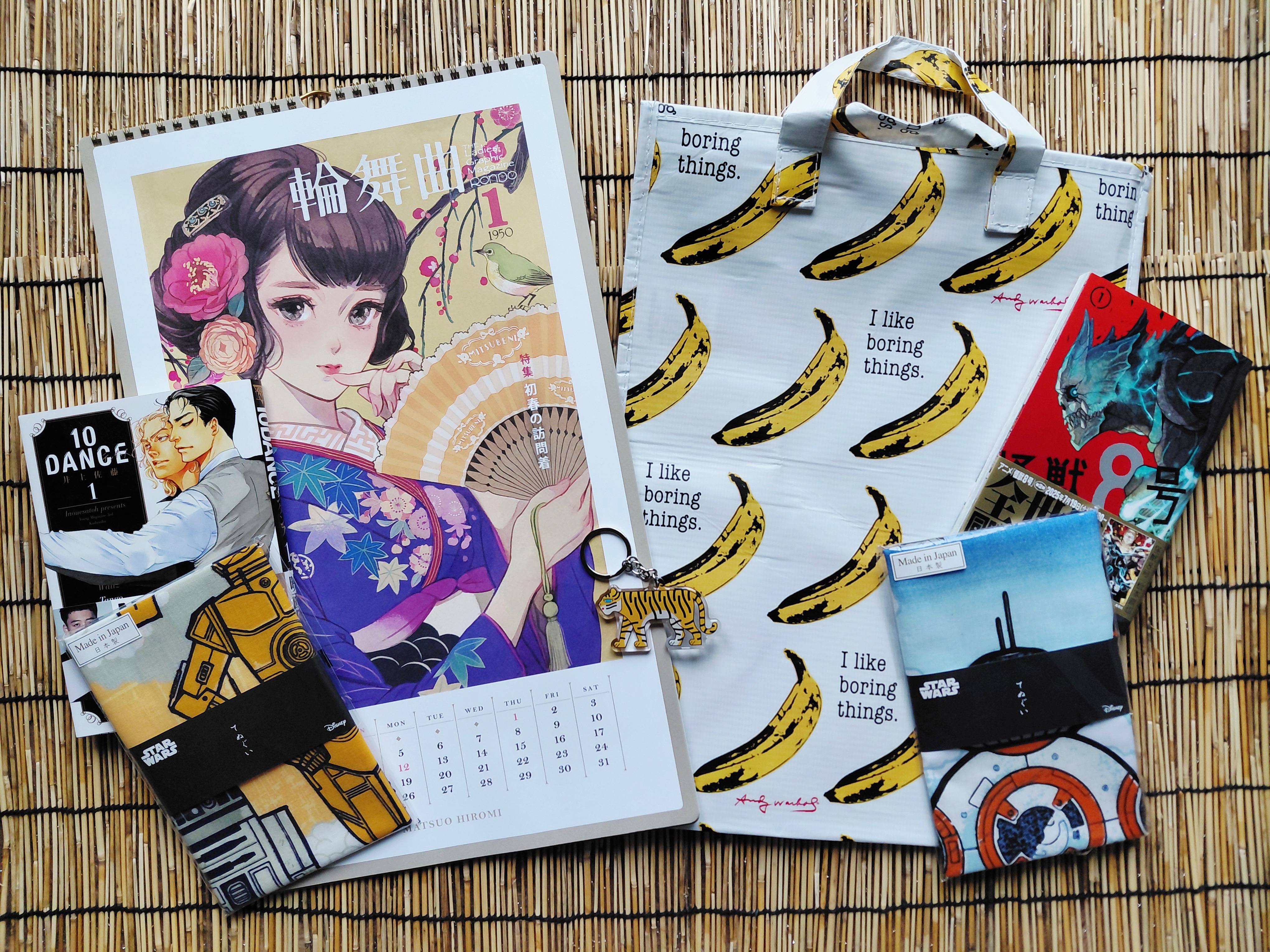
A collection of Japanese illustrated merchandise, prints and books from Books Kinokuniya, Shibuya Tsutaya and Museum Contemporary Art Tokyo.
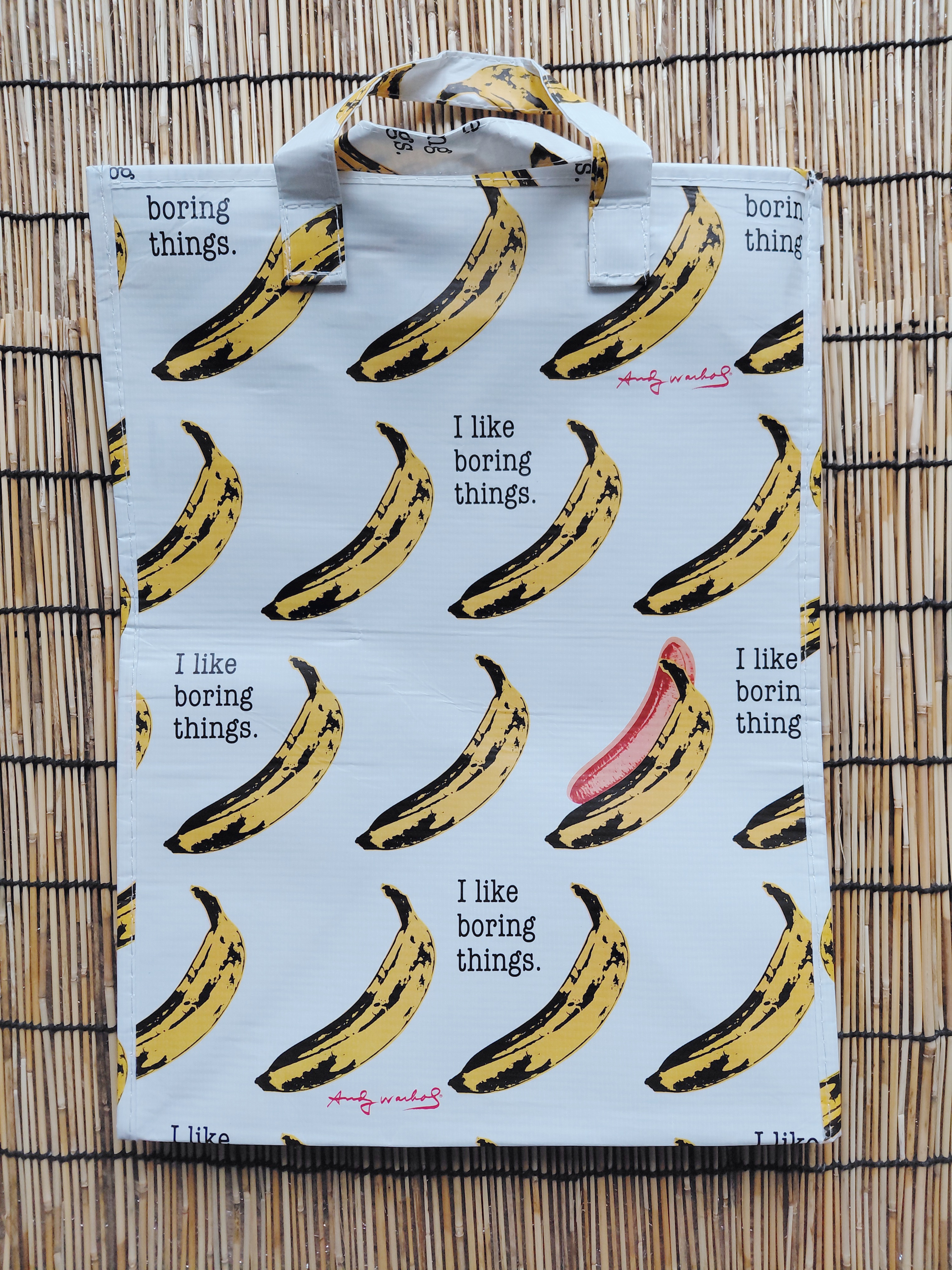
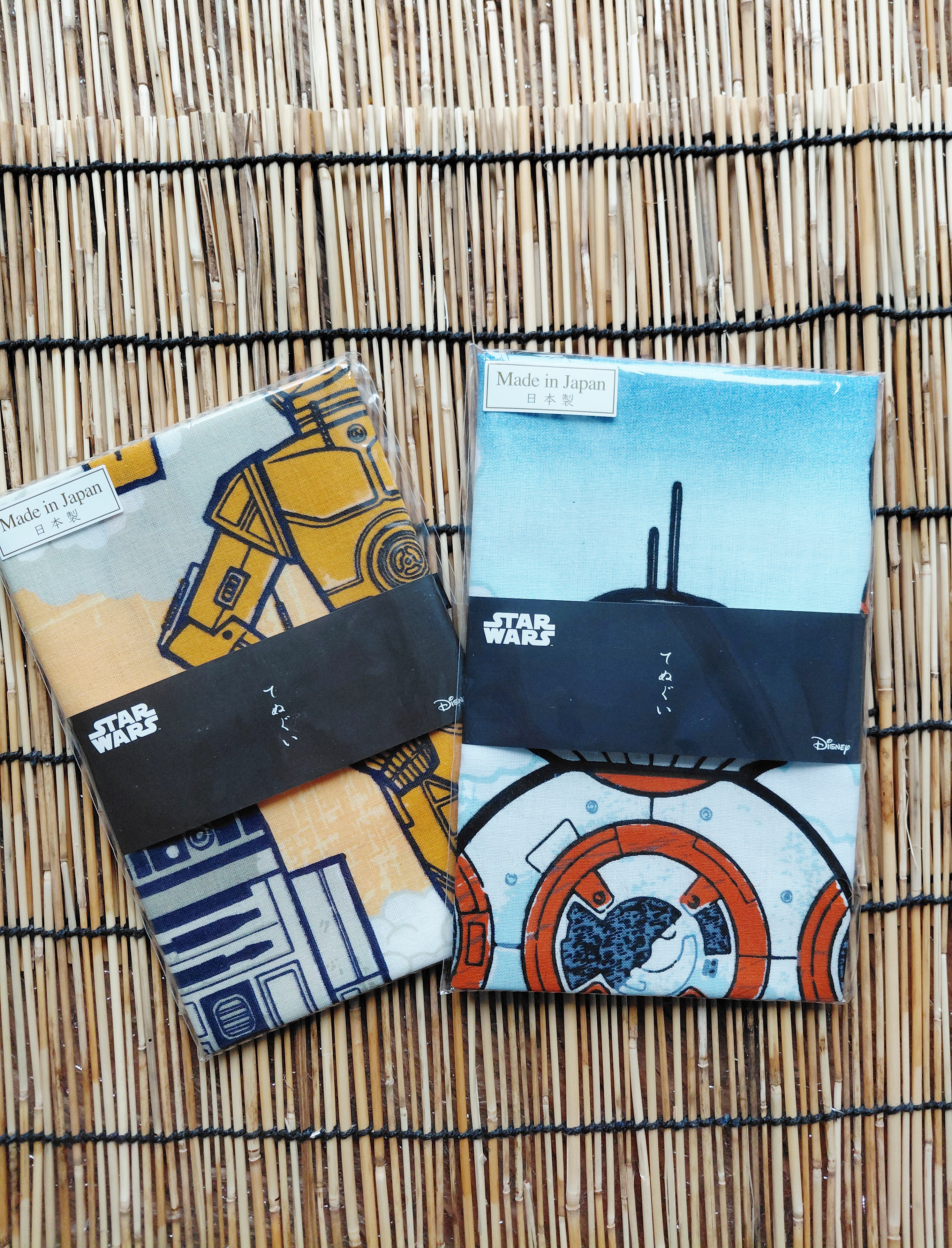
Andy Warhol tote bag by the Museum Contemporary Art Tokyo; Disney’s Star Wars tenugui collection from Shibuya Tsutaya, Japan.
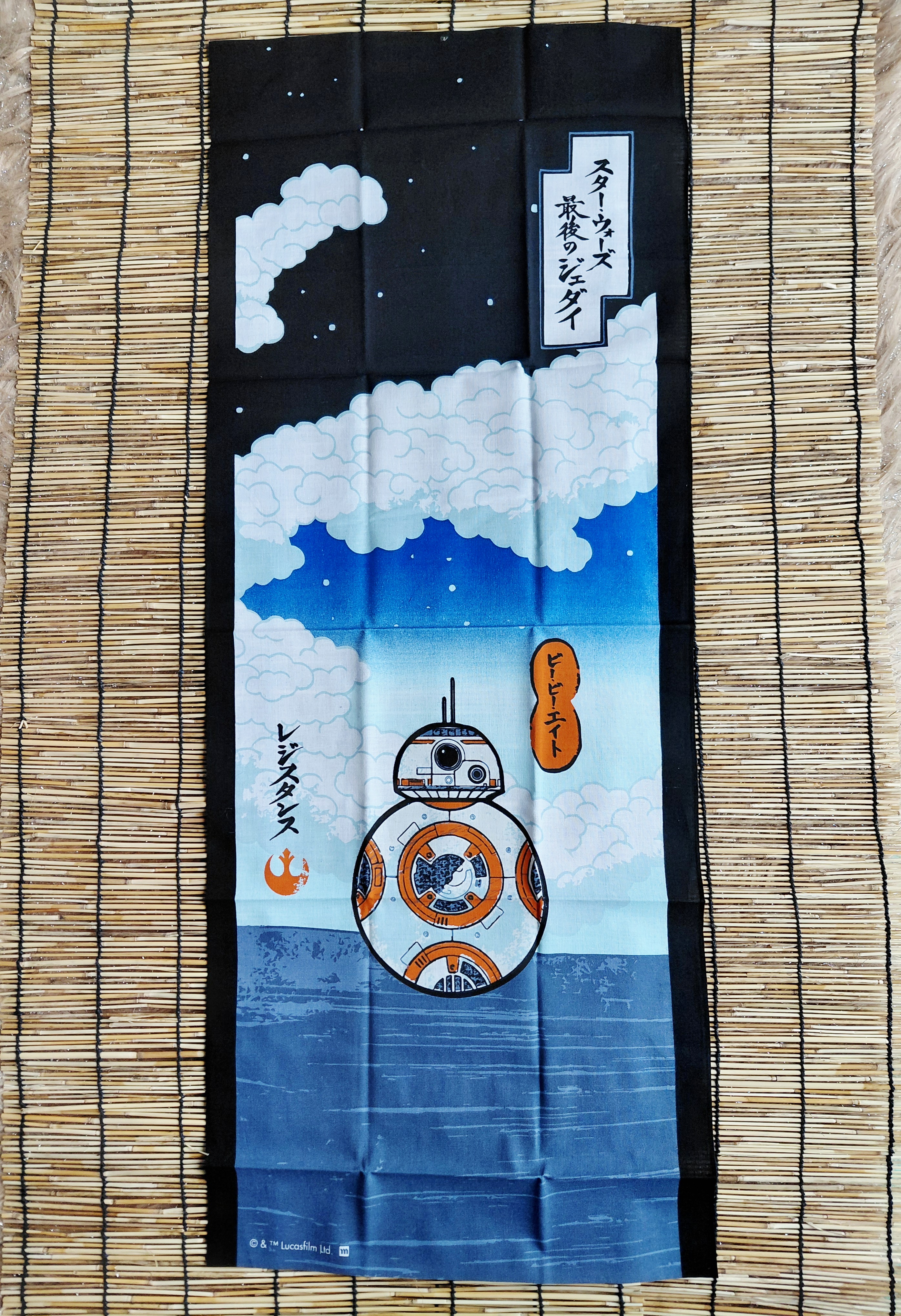
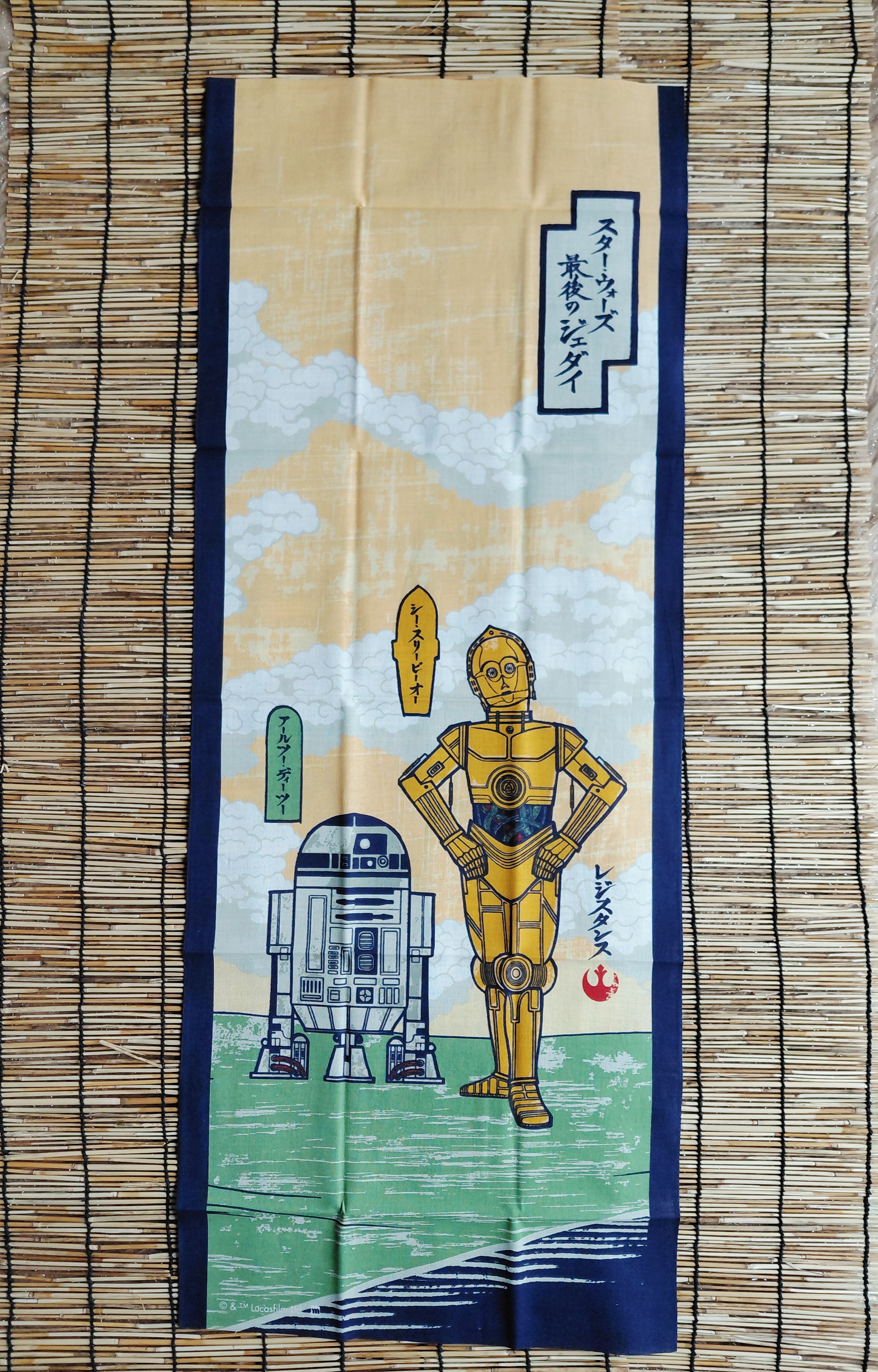
Disney’s Star Wars tenugui collection from Shibuya Tsutaya in Tokyo, inspired by traditional Japanese ukiyo-e art.
“Despite the pushback from creatives, the AI era ushers in a renaissance in art where human-made collectibles take centre stage at experience economy.”
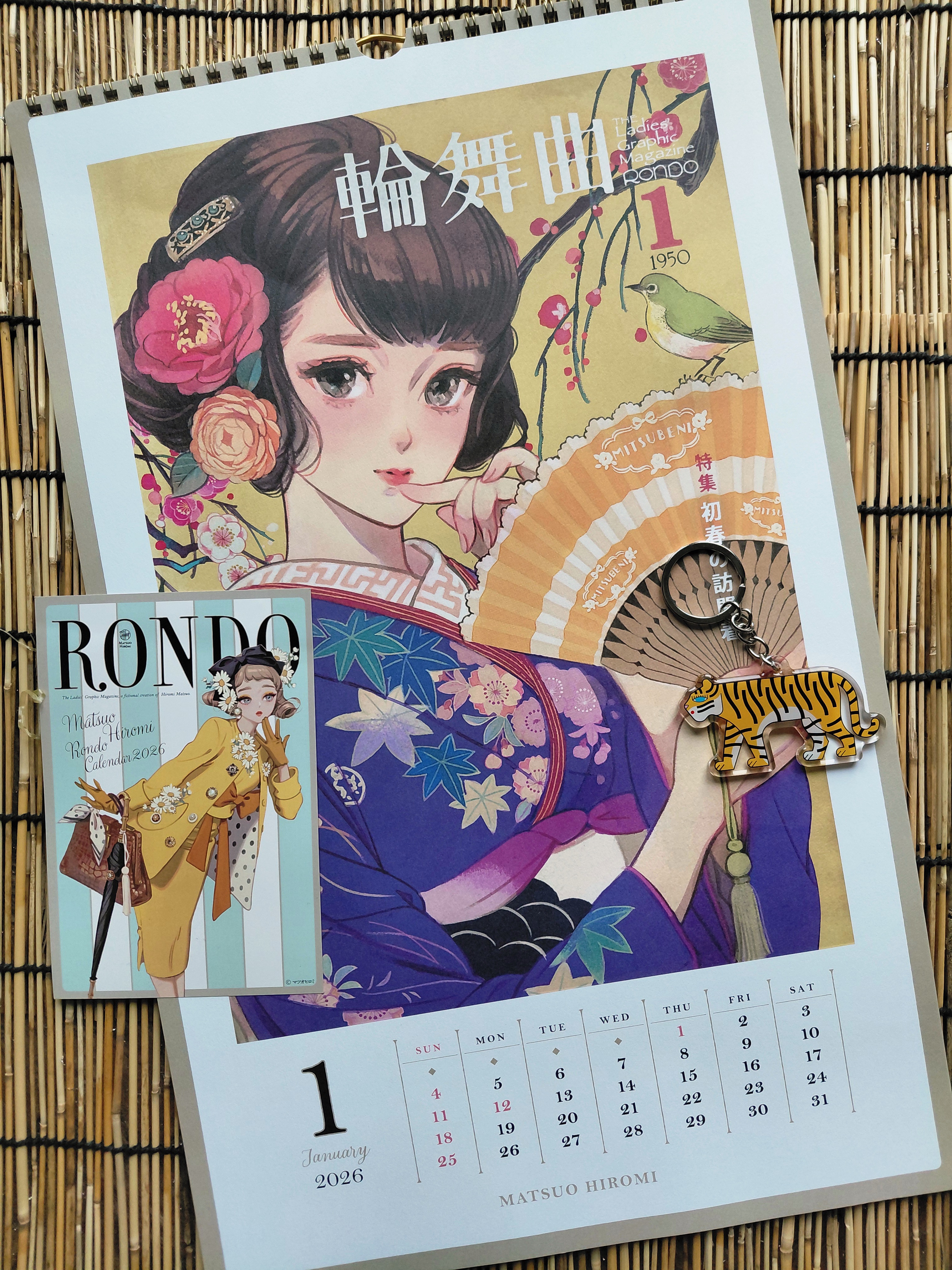
Rondo fashion illustrated calendar by Matsuo Hiromi from Books Kinokuniya Shinjuku and illustrated keychain from Museum Contemporary Art Tokyo.
Providing the Yin to technology’s Yang
The answer to the disruptive technology conundrum is the hybrid human-AI collaboration.
Rather than rejecting the technology outright, savvy creatives will lean on providing the Yin to technology’s Yang, where the artist-makers demonstrate authenticity, tangibility, rebellion and self-awareness. To understand this, read our creative director’s experience, Lo-fi in Tokyo. Sense of humour, randomness and messy moments are important elements of this new expression. This human-made art movement won’t eliminate the grand concept in art and design. Instead, it will stand equally next to the industry as a critical thinking counterpart.
Errors: Intentional and human
Our Japanese colleague likened AI to the manga character Doraemon, a robot cat from the future that’s tasked to assist a boy, Nobita. However, Doraemon’s carelessness or bad advice have frequently landed Nobita in trouble. A cautionary tale on over-reliance on technology that could lead to even worse outcomes. Our writer colleagues in London believe that adding ‘intentional human error’ in sentences will make a more relatable copywriting, as the audience becomes weary of repetitive AI-generated phrases.
“We also had coffees and lunches with media colleagues, preferring face-to-face chats to discuss the media landscape today. Given the intense automation of AI, face-to-face (F2F) experience becomes significant.”
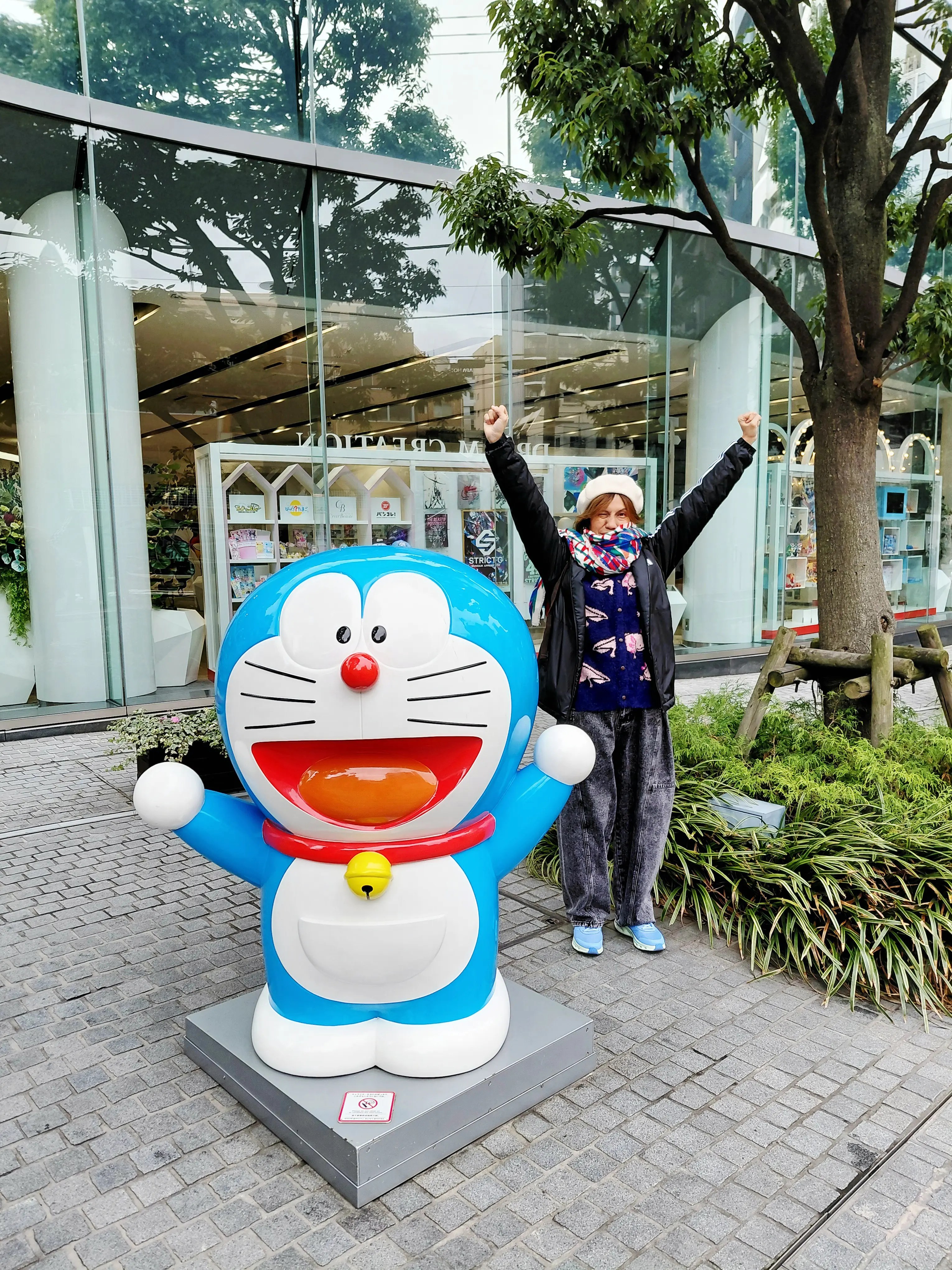
Hanging out with Doraemon at Bandai Namco Museum in Tokyo, Japan.
Experience economy shapes culture tourism
Our trips to London, Kuala Lumpur and Tokyo proved that face-to-face interaction is essential for the new experience economy. Collectors would flock to independent art festivals to purchase limited edition prints, special edition books and unique merchandise from artist-makers. The items may be slightly pricier than the average retail offerings, but still affordable for the masses.
Accessible markets like these will become an important lifeline of a city, thus establishing a good cause for culture tourism. With the right ecosystem support and progressive economic policy, it could add another revenue channel for the creatives.
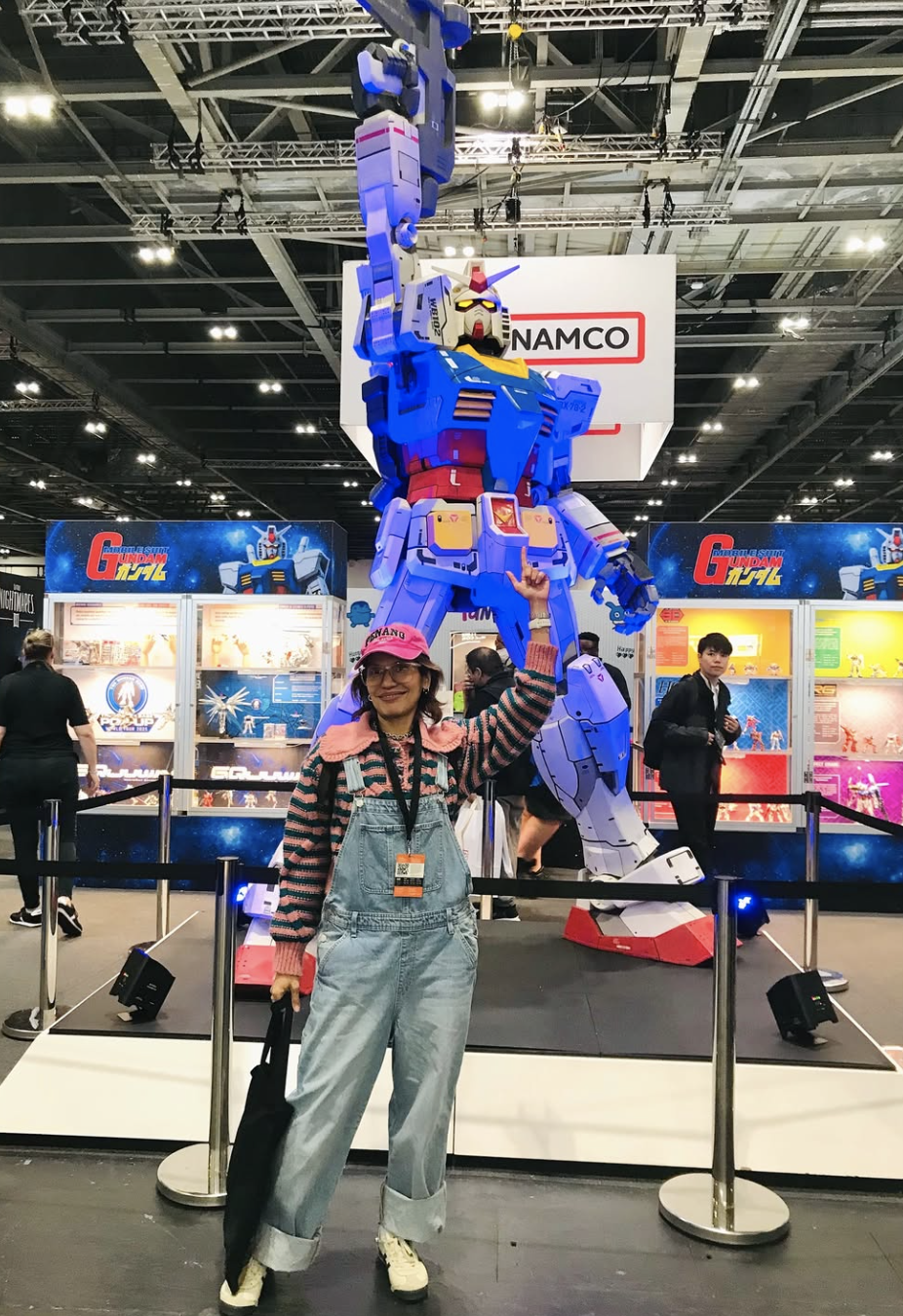
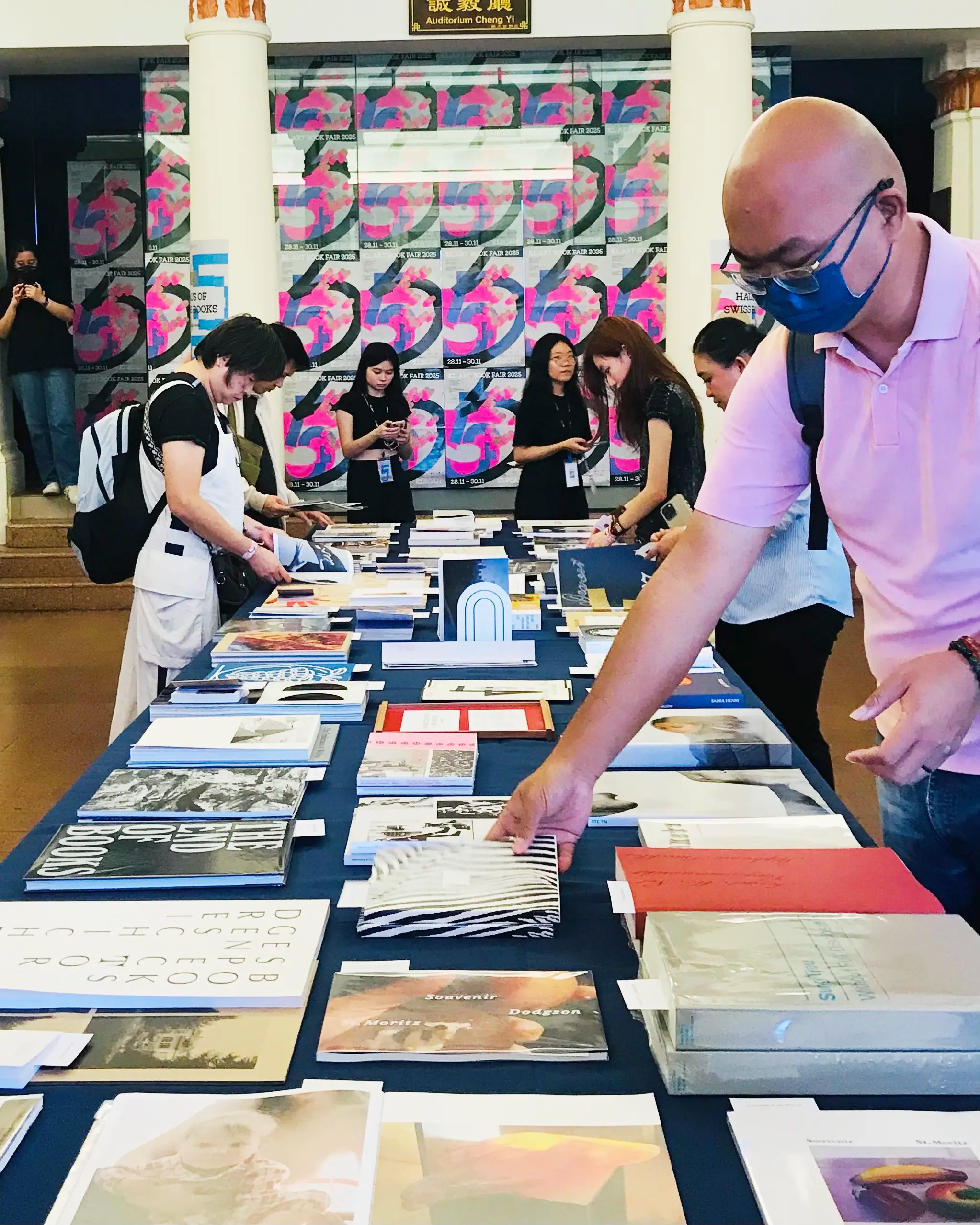
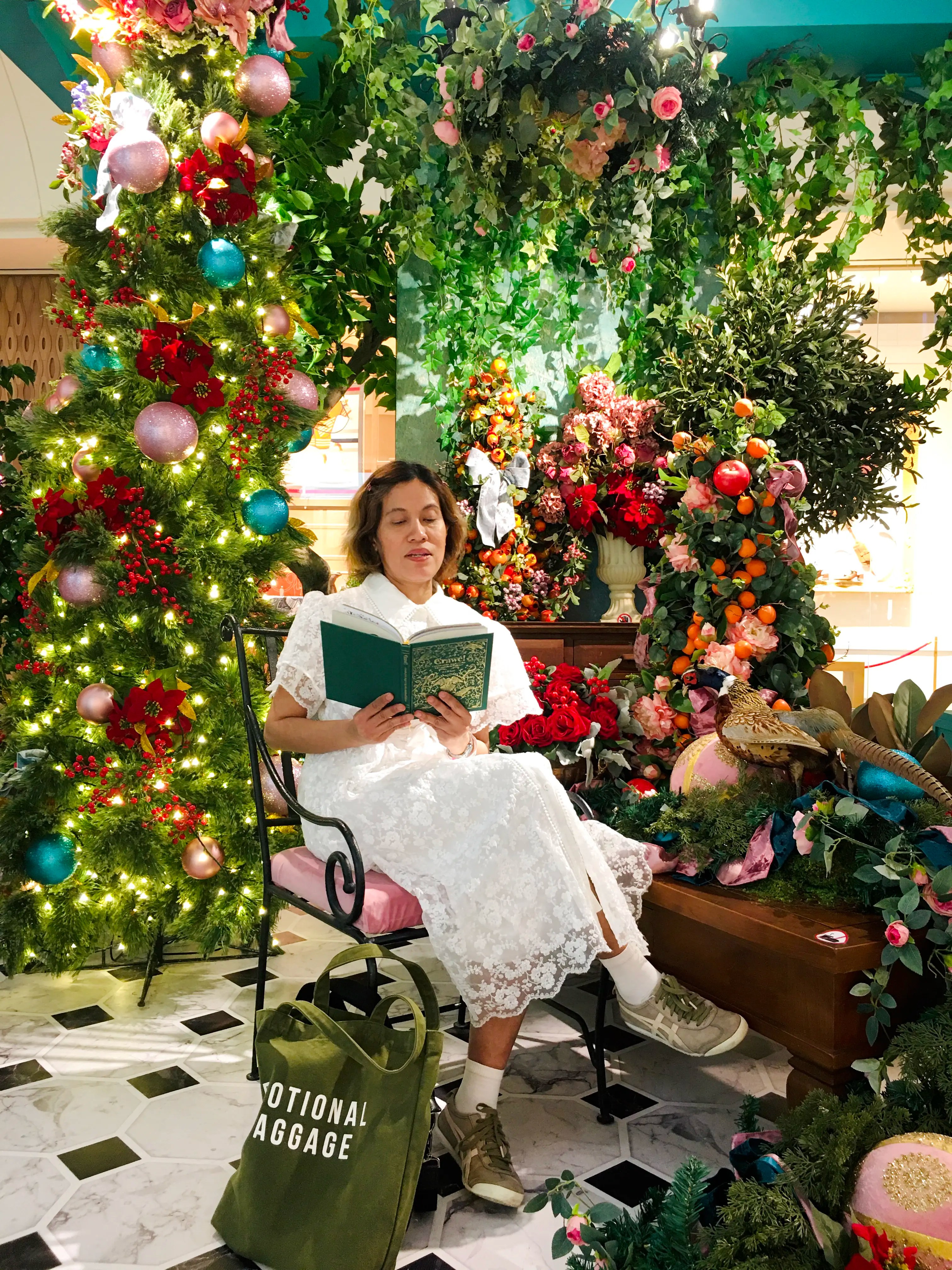
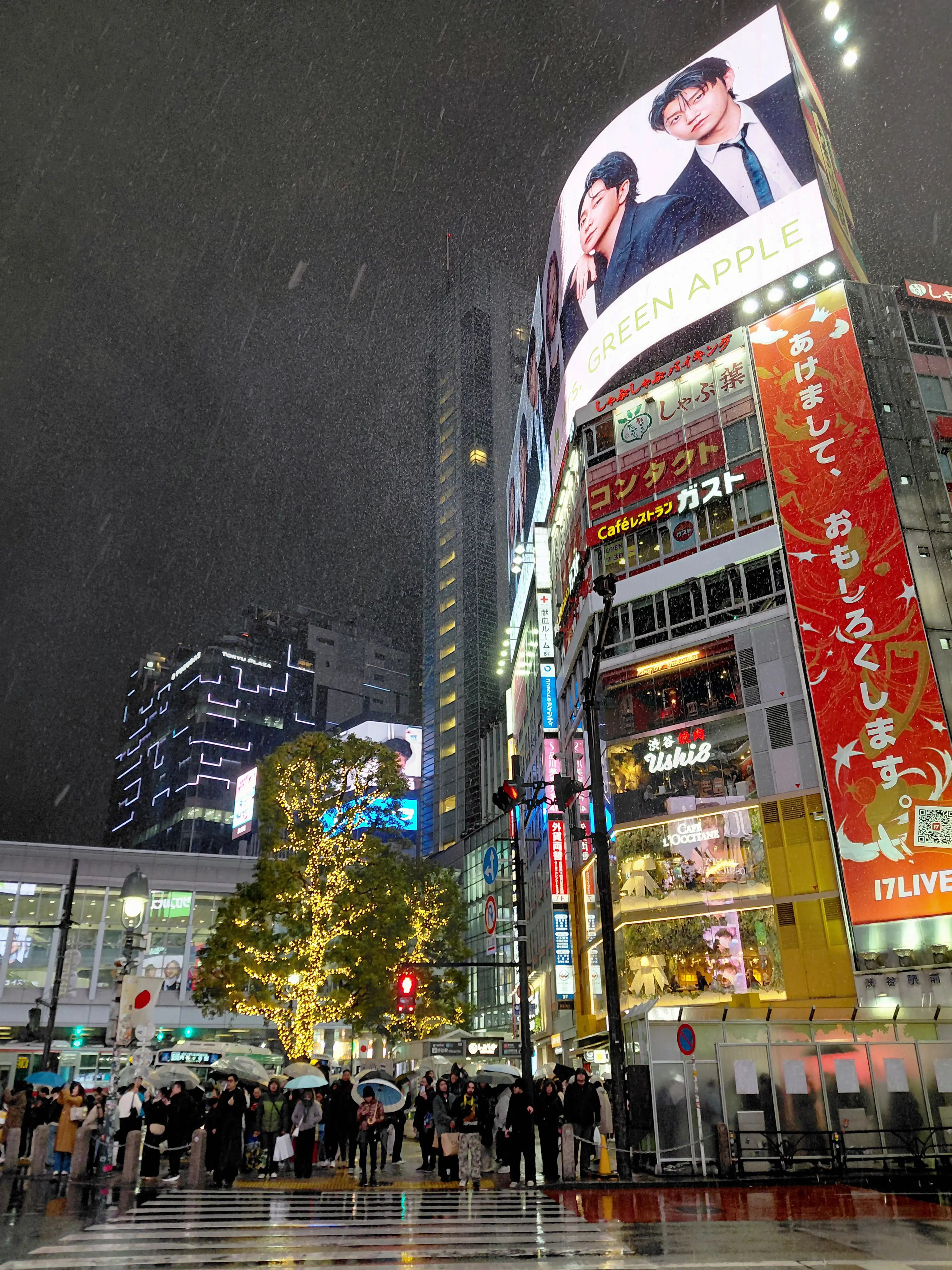
Below: The book experience journey took us around the world. Visiting Bandai Namco booth at MCM Comic Con London in October 2025; book lovers at KL Art Book Fair 2025; reading Crawe! Corvids of the Anglo-Celtic isles and their Folklore by K.S.Whittle in Kuala Lumpur; braving the snowy New Year in Shibuya, Tokyo to visit bookstores.
All photos © Story Of Books, unless otherwise stated.


 Story Of Books